Projects
|
FAQ
|
Announcements


#Internship In Korea #Summer Internship #Career Discovery
“Learn what I don’t like during Internship”Jesarine came to Korea from California to learn about the marketing process in Korea. She was interested in marketing at first, but at last, she discovered a stronger preference for business operations than marketing. She spent two months in Korea while participating in Korea GapYear’s Internship Training Program In South Korea. Her work included producing social media videos and researching creators for international campaigns. What can working abroad offer beyond a vacation? For Jesarine, working abroad brought a stronger feeling of being part of the local culture. In this interview, she describes how the experience helped her reflect on who you are and who you want to become, even within a two-month stay. |
I wanted to understand how skincare companies work while experiencing life beyond California, USA. Korea’s reputation for skincare made it an appealing place to pursue that interest, and I hoped a Summer Internship there would give me a valuable opportunity to learn about the industry.
My wider goal was to see how different companies and cultures operate, so my understanding would not be limited to what I knew at home. I searched online for Korean skincare internships, found Korea GapYear’s website, and applied.
My work included creating videos for foreigners, managing social media accounts, tracking their engagement, and finding creators for campaigns. A lot of our time went into looking for creators in the country where a campaign was taking place. If a campaign was in Canada, for example, we needed to find Canadian creators.
I worked on two main campaigns during my stay and was also finding creators for a third campaign in the United States. That campaign had not really started yet, so my involvement was still in the preparation stage.
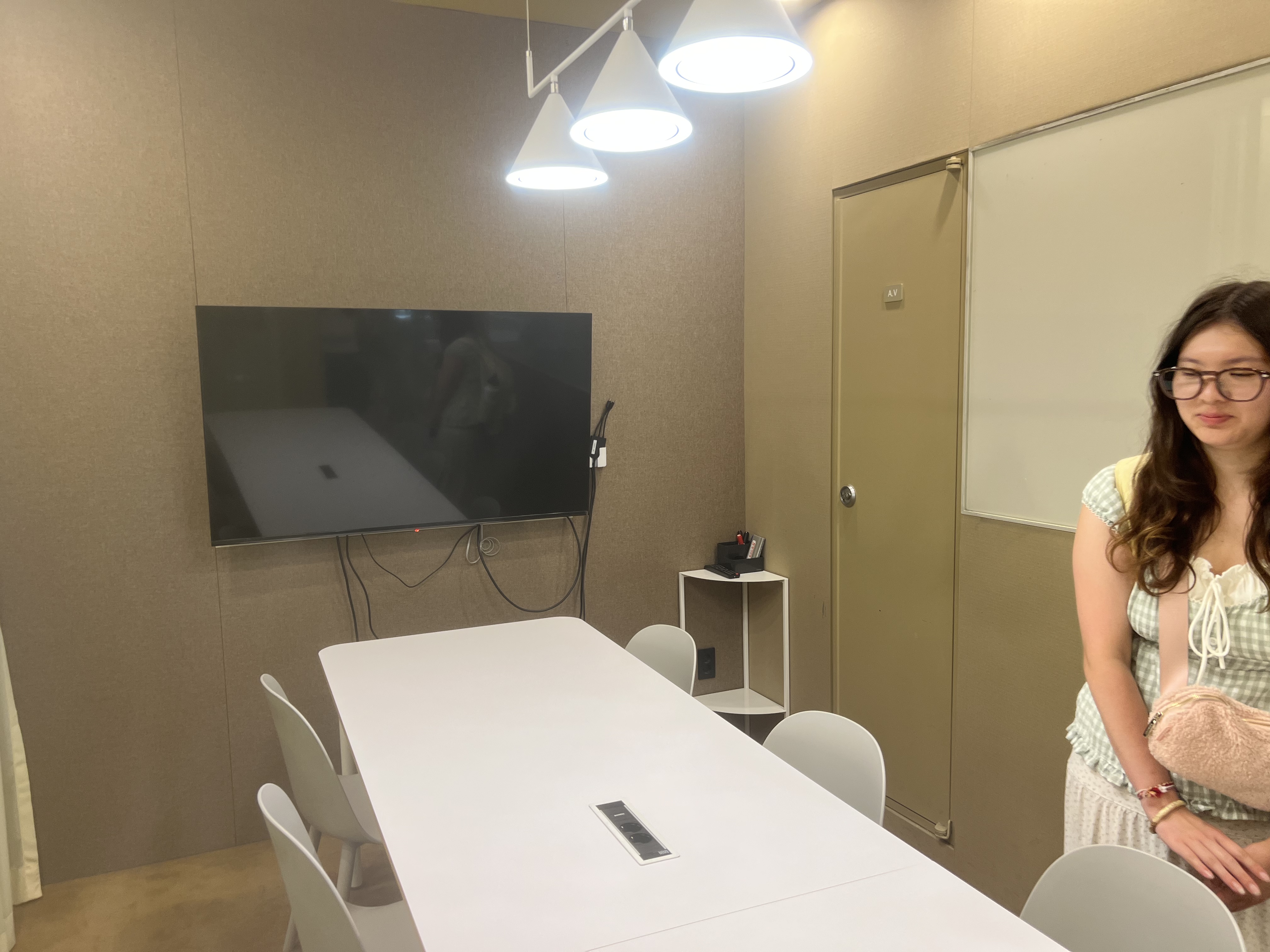
The internship helped me realize that I was more interested in business operations than in marketing. I had taken on the combined role while considering whether marketing might be something I wanted to pursue, and actually doing the work helped me understand my preference more clearly.
For me, that is one of the reasons internships are useful. Finding out that something is not your favorite can be just as helpful as discovering something you enjoy.
My workplace in Korea seemed similar to an American company.
Outside work, I noticed that people were less likely to greet strangers in passing. That felt different from the more outgoing interactions I associated with home. But, people in Korea are very kind and nice. I think they are less extroverted than Westerners. It’s just a cultural difference.
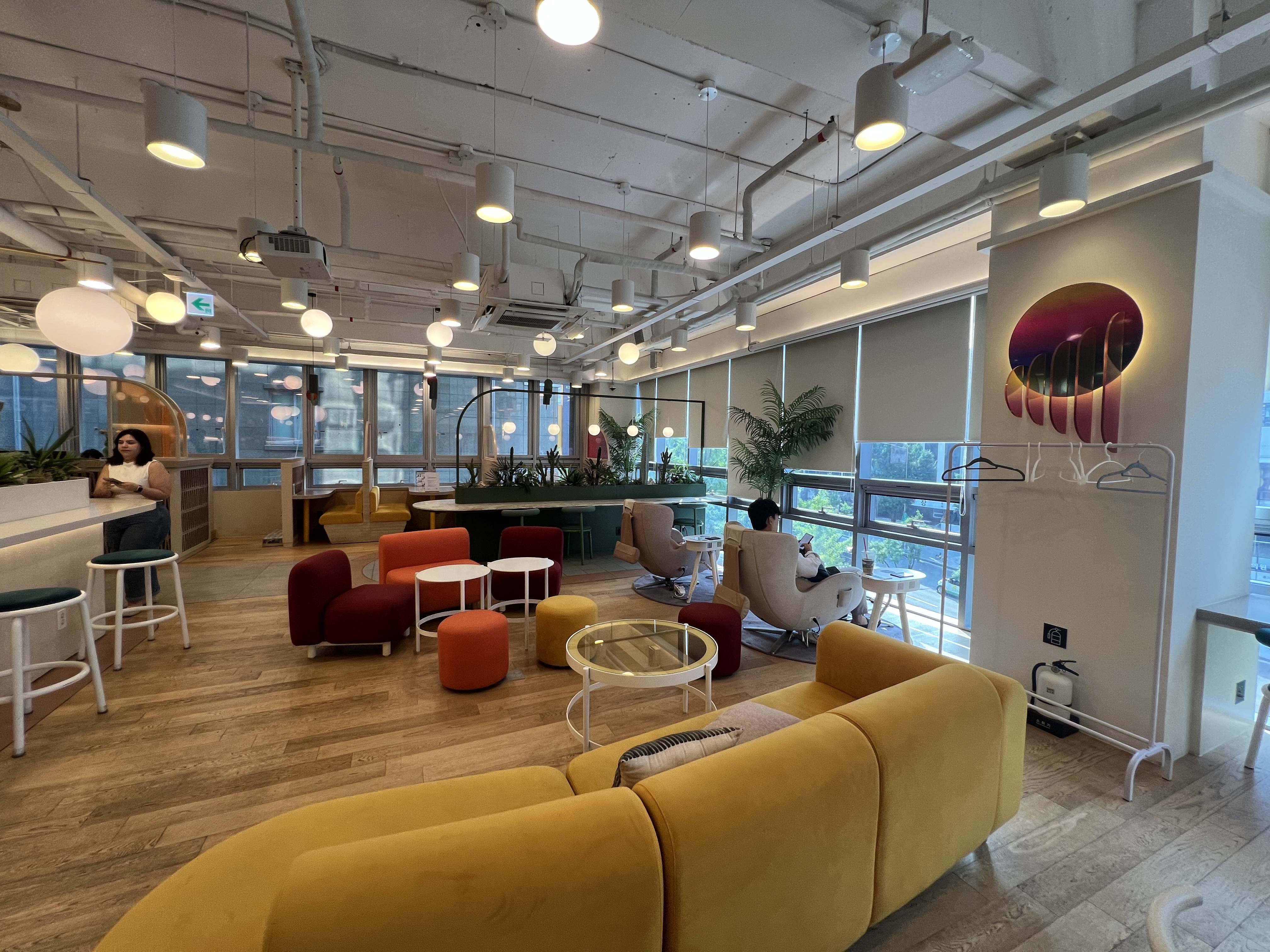
Hongdae was my favorite area because it had the clothes, food, and fun cafes I enjoyed. I loved how convenient life felt in Korea, and Hongdae seemed to offer so much to do that I could not imagine running out of options.
One weekend, we left for Jeju Island on Friday night, spent Saturday there, and flew back on Sunday morning. We got ready and went straight to Waterbomb that same day. It was one of the most fun things we did in Korea, and I really enjoyed that weekend.
I appreciated the good communication, helpful people, and Korean lessons that were part of my experience. We learned a lot in the lessons, and I was keen to put it into practice.
I also found that many everyday situations involved self-service, so I did not always need to use as much Korean as I had expected.
My first experience abroad helped me reflect on who I am and who I want to become. After just two months, I felt that I had matured and grown a lot as a person.
Being here for work felt different from visiting on vacation. Through the internship, I felt more immersed in the culture and more like a part of the world around me.
For anyone coming alone or staying longer, I would suggest making an active effort to meet people. I came with a friend, and we were only staying for two months, so making friends was not a major concern for us. Someone arriving on their own might have a different experience.
I really think this is an experience worth trying. For me, going through Korea GapYear made it feel less scary because there were people there to help.
Korea GapYear’s Internship Training Program In South Korea introduces participants to Korean workplaces. Placements are arranged in selected fields, taking applicants’ interests and goals into account.
Korea GapYear’s standard requirements are a minimum age of 18 and intermediate or higher proficiency in English and/or Korean. Applicants must also commit to their host organization’s rules and assigned tasks and meet the internship’s legal and administrative requirements.
Potential placement fields include business, education, culture, and social or environmental work. Depending on the placement, activities may include market analysis, business development, educational content creation, project support, public relations, fundraising, or communications.
Korea GapYear considers participants’ interests and goals when arranging placements; applicants can contact the team to discuss specific fields and locations.
Tasks vary by placement, with matching based on applicants’ interests, skills, and goals.
In this interview, she did creating videos for foreigners, managing social media accounts, tracking their engagement, and finding creators for campaigns during the internship.
These are examples from one placement; the host organization determines individual responsibilities.
Korea GapYear lists training, a completion certificate, orientation materials, and local, administrative, and emergency support, with some benefits dependent on selected options.
Accommodation options can be chosen according to personal preference. Applicants are responsible for arranging insurance and handling applicable visa requirements.
This program generally involves approximately 35 hours of activity per week on a weekday basis.
Working days and hours vary by placement and participant preferences.
Interns in Korea GapYear’s program do not work on South Korean public holidays.
Korea GapYear’s Korean Conversation Club is a separate language and cultural exchange program in Seoul.
Participants practice Korean with a tutor through guided conversations, games, and activities that offer opportunities to meet others and learn about Korean culture.
The four-week program meets twice a week for two-hour sessions, with a maximum of four participants per group.

“Learn what I don’t like during Internship”Jesarine came to Korea from California to learn about the marketing process in Korea. She was interested in marketing at first, but at last, she discovered a stronger preference for business operations than marketing. She spent two months in Korea while participating in Korea GapYear’s Internship Training Program In South Korea. Her work included producing social media videos and researching creators for international campaigns. What can working abroad offer beyond a vacation? For Jesarine, working abroad brought a stronger feeling of being part of the local culture. In this interview, she describes how the experience helped her reflect on who you are and who you want to become, even within a two-month stay. |
I wanted to understand how skincare companies work while experiencing life beyond California, USA. Korea’s reputation for skincare made it an appealing place to pursue that interest, and I hoped a Summer Internship there would give me a valuable opportunity to learn about the industry.
My wider goal was to see how different companies and cultures operate, so my understanding would not be limited to what I knew at home. I searched online for Korean skincare internships, found Korea GapYear’s website, and applied.
My work included creating videos for foreigners, managing social media accounts, tracking their engagement, and finding creators for campaigns. A lot of our time went into looking for creators in the country where a campaign was taking place. If a campaign was in Canada, for example, we needed to find Canadian creators.
I worked on two main campaigns during my stay and was also finding creators for a third campaign in the United States. That campaign had not really started yet, so my involvement was still in the preparation stage.
The internship helped me realize that I was more interested in business operations than in marketing. I had taken on the combined role while considering whether marketing might be something I wanted to pursue, and actually doing the work helped me understand my preference more clearly.
For me, that is one of the reasons internships are useful. Finding out that something is not your favorite can be just as helpful as discovering something you enjoy.
My workplace in Korea seemed similar to an American company.
Outside work, I noticed that people were less likely to greet strangers in passing. That felt different from the more outgoing interactions I associated with home. But, people in Korea are very kind and nice. I think they are less extroverted than Westerners. It’s just a cultural difference.
Hongdae was my favorite area because it had the clothes, food, and fun cafes I enjoyed. I loved how convenient life felt in Korea, and Hongdae seemed to offer so much to do that I could not imagine running out of options.
One weekend, we left for Jeju Island on Friday night, spent Saturday there, and flew back on Sunday morning. We got ready and went straight to Waterbomb that same day. It was one of the most fun things we did in Korea, and I really enjoyed that weekend.
I appreciated the good communication, helpful people, and Korean lessons that were part of my experience. We learned a lot in the lessons, and I was keen to put it into practice.
I also found that many everyday situations involved self-service, so I did not always need to use as much Korean as I had expected.
My first experience abroad helped me reflect on who I am and who I want to become. After just two months, I felt that I had matured and grown a lot as a person.
Being here for work felt different from visiting on vacation. Through the internship, I felt more immersed in the culture and more like a part of the world around me.
For anyone coming alone or staying longer, I would suggest making an active effort to meet people. I came with a friend, and we were only staying for two months, so making friends was not a major concern for us. Someone arriving on their own might have a different experience.
I really think this is an experience worth trying. For me, going through Korea GapYear made it feel less scary because there were people there to help.
Korea GapYear’s Internship Training Program In South Korea introduces participants to Korean workplaces. Placements are arranged in selected fields, taking applicants’ interests and goals into account.
Korea GapYear’s standard requirements are a minimum age of 18 and intermediate or higher proficiency in English and/or Korean. Applicants must also commit to their host organization’s rules and assigned tasks and meet the internship’s legal and administrative requirements.
Potential placement fields include business, education, culture, and social or environmental work. Depending on the placement, activities may include market analysis, business development, educational content creation, project support, public relations, fundraising, or communications.
Korea GapYear considers participants’ interests and goals when arranging placements; applicants can contact the team to discuss specific fields and locations.
Tasks vary by placement, with matching based on applicants’ interests, skills, and goals.
In this interview, she did creating videos for foreigners, managing social media accounts, tracking their engagement, and finding creators for campaigns during the internship.
These are examples from one placement; the host organization determines individual responsibilities.
Korea GapYear lists training, a completion certificate, orientation materials, and local, administrative, and emergency support, with some benefits dependent on selected options.
Accommodation options can be chosen according to personal preference. Applicants are responsible for arranging insurance and handling applicable visa requirements.
This program generally involves approximately 35 hours of activity per week on a weekday basis.
Working days and hours vary by placement and participant preferences.
Interns in Korea GapYear’s program do not work on South Korean public holidays.
Korea GapYear’s Korean Conversation Club is a separate language and cultural exchange program in Seoul.
Participants practice Korean with a tutor through guided conversations, games, and activities that offer opportunities to meet others and learn about Korean culture.
The four-week program meets twice a week for two-hour sessions, with a maximum of four participants per group.
Capturing the growth journeys
of our participants.
 Home


Take a step out of your comfort zone.
Challenge yourself for your own sake.
Feel complete freedom.
Be happy.


