Projects
|
FAQ
|
Announcements




Korea GapYear focuses on the good change created in each participant’s life. We seek to understand each person deeply and carefully design the experiences they need right now. By meeting new people and a wider world, they come to understand themselves more fully and discover a reason to live and a joy that makes the heart race. When one person’s life changes, that change reaches other people and society.Korea GapYear focuses on the good change created in each participant’s life.
We seek to understand each person deeply and carefully design the experiences they need right now.
By meeting new people and a wider world, they come to understand themselves more fully and discover a reason to live and a joy that makes the heart race.
When one person’s life changes, that change reaches other people and society.
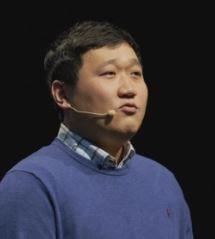
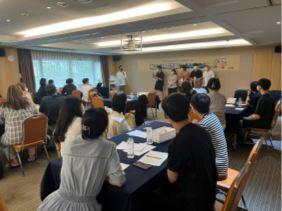
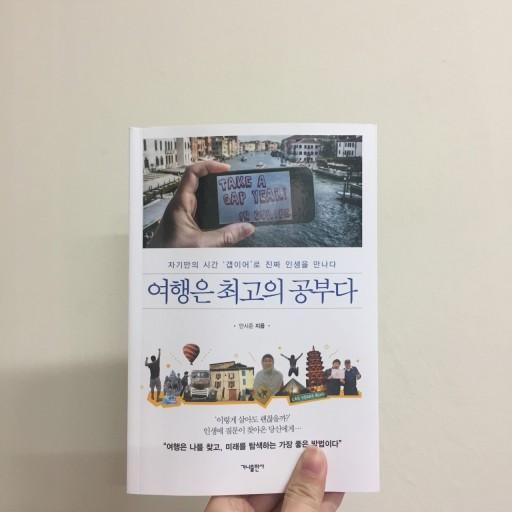


Korea Needs a Gap Year Culture
Young people are pressured to achieve high grades and enter prestigious universities without having sufficient time to explore their true dreams and career paths. After entering university, they are expected to follow a uniform route—obtaining certificates and passing exams to secure jobs in large corporations, public enterprises, or government positions. The most essential aspects of life for young people—their sense of direction, career choices, and happiness—are often ignored. Youth challenges have long been seen as problems that individuals must solve through personal effort. With statistics such as 72.7% of university students mismatching their majors, 740,000 young people in their 20s without a clear dream, a 44.5% employment rate among graduates, and a 40% turnover rate within a year of employment, youth issues are becoming increasingly serious. These problems are no longer just personal matters—they are public issues that require collective solutions.
Korea GapYear believes that a Gap Year is the solution to these youth challenges.
Founded in 2010 to foster a Gap Year culture, Korea GapYear has led various initiatives to bring this vision to life. We established the first Korean definition of a "Gap Year" and, in 2011, proposed the institutionalization of the Gap Year system to the Blue House Policy Advisory Committee. Korea GapYear was also established as a social enterprise addressing societal issues and has been recognized with awards including the Prime Minister’s Commendation, two Foreign Ministry Awards, the Minister of Health and Welfare Award, the National Productivity Award in the social economy category, and the Outstanding Social Enterprise Award.
In addition, Korea GapYear has made various efforts to expand the Gap Year culture. We have collaborated with major broadcasters and media outlets such as EBS, KBS, MBC, and SBS to lead conversations on the Gap Year, and actively promote the Gap Year culture through a variety of campaigns and projects. Furthermore, we create and run educational programs in partnership with corporations like Samsung, Hyundai Motor, Hanwha, and universities such as KAIST and POSTECH, implementing cultural change through education.
Currently, Korea GapYear operates over 800 programs across 51 countries, including volunteer work, internships, travel, one-month stays, professional courses, and language study programs. Each year, approximately 2,000 participants engage in these programs, taking on new and diverse challenges to support their personal growth, define their life direction, and discover careers and dreams that align with their interests.
Korea GapYear continues to provide diverse programs and ongoing administrative support to ensure that all young people can discover careers and dreams suited to their talents and preferences. Our mission is to firmly establish a Gap Year culture in Korea, allowing youth to live purposeful and self-directed lives.
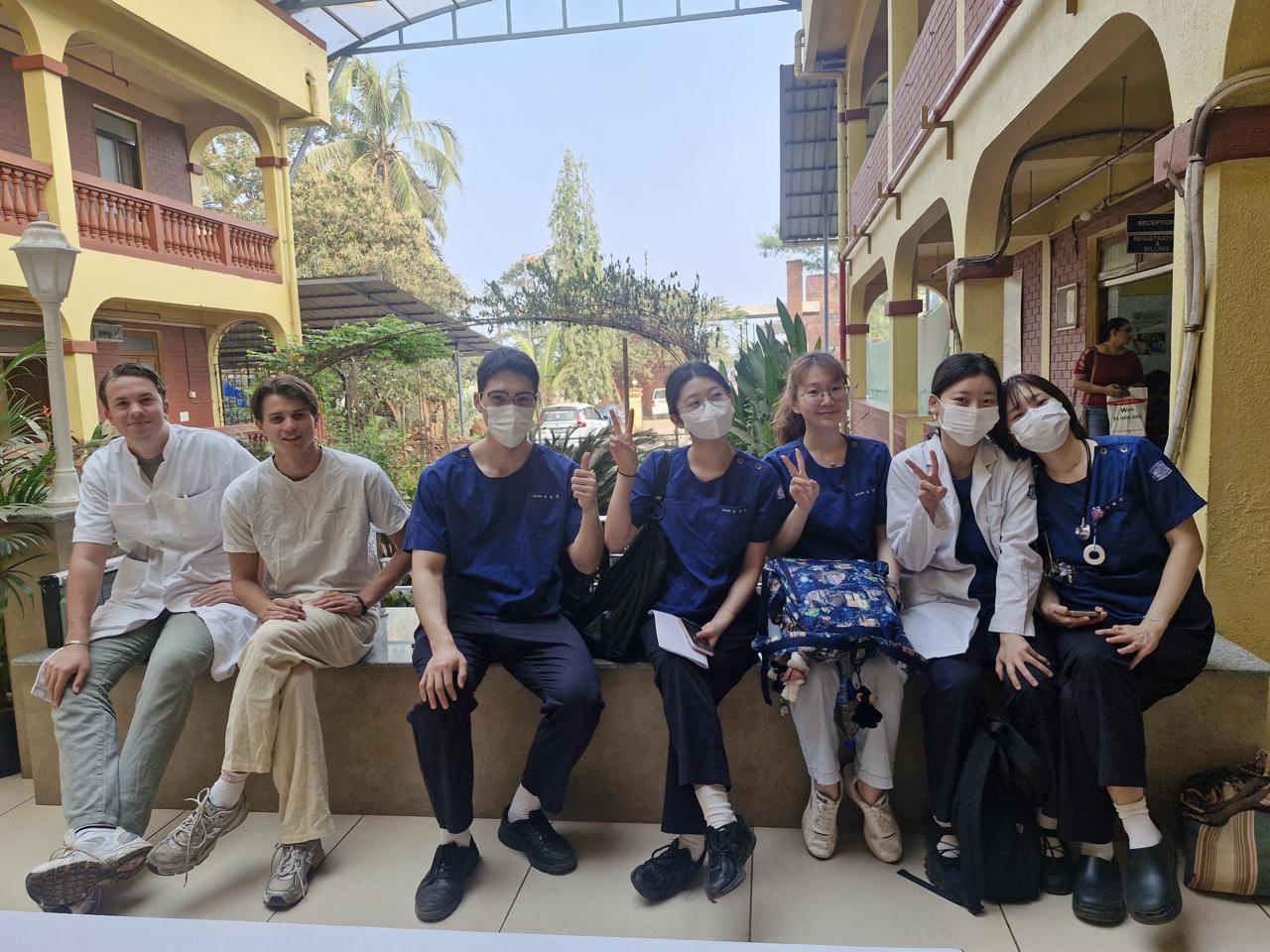
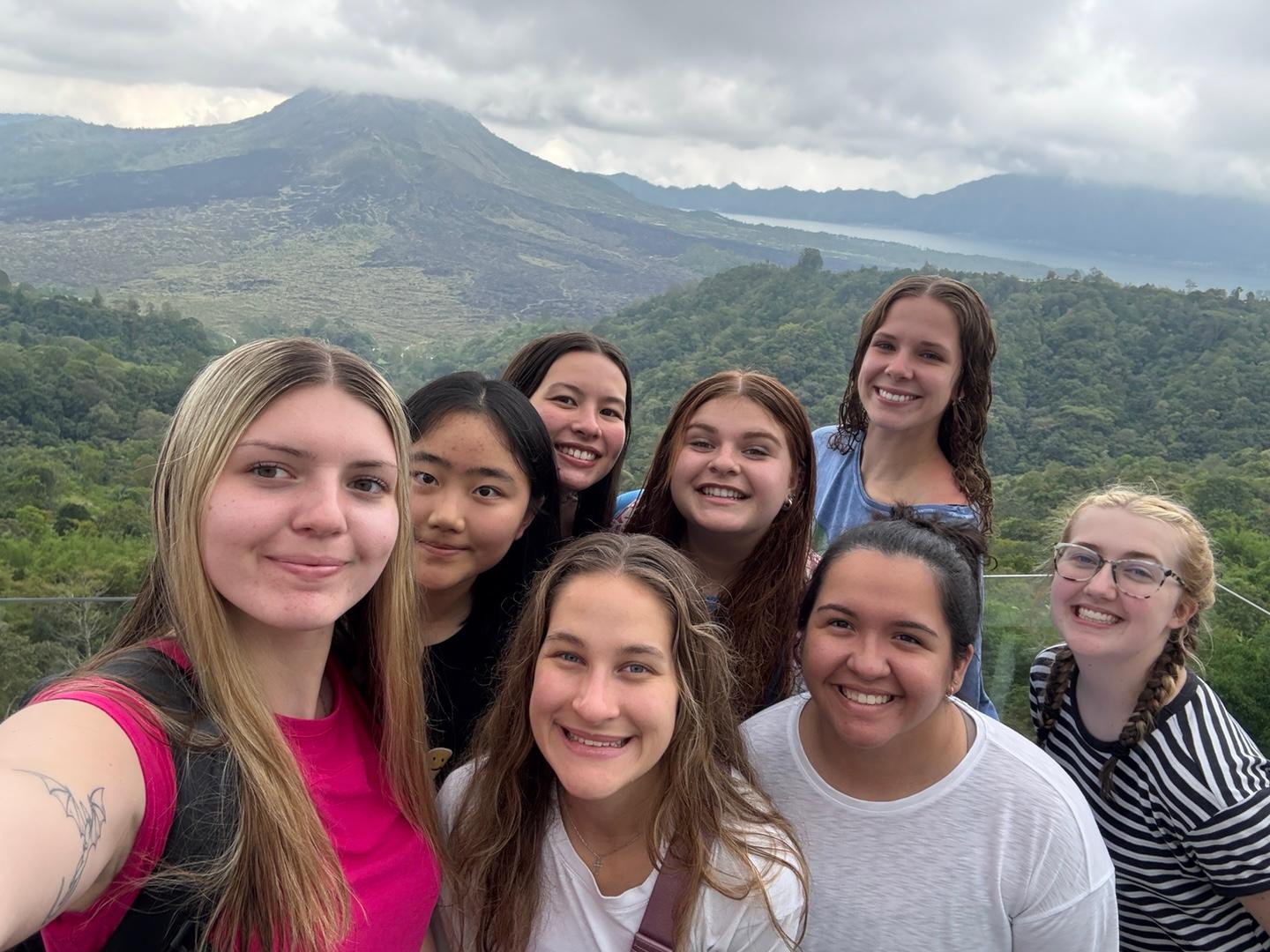
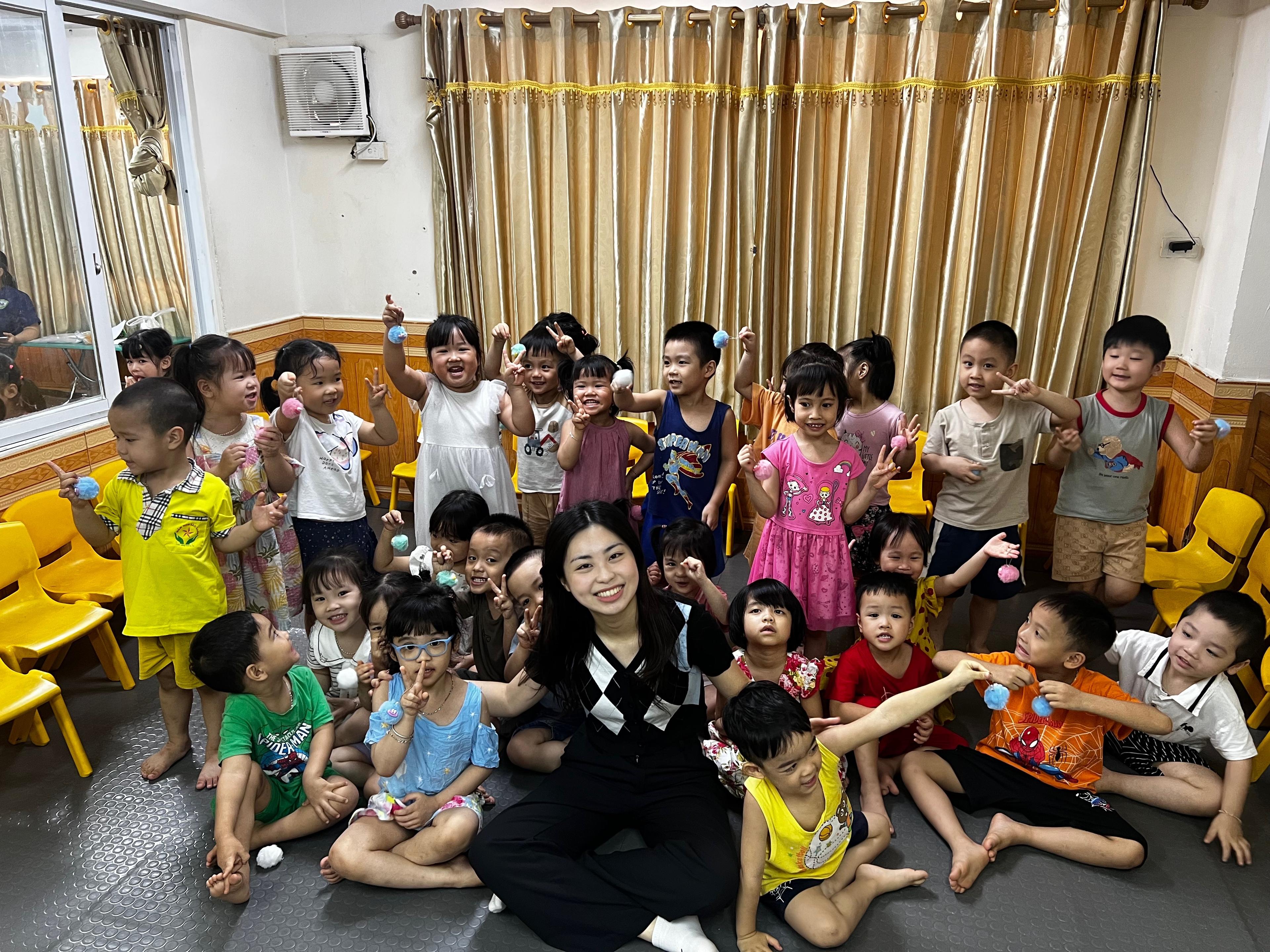
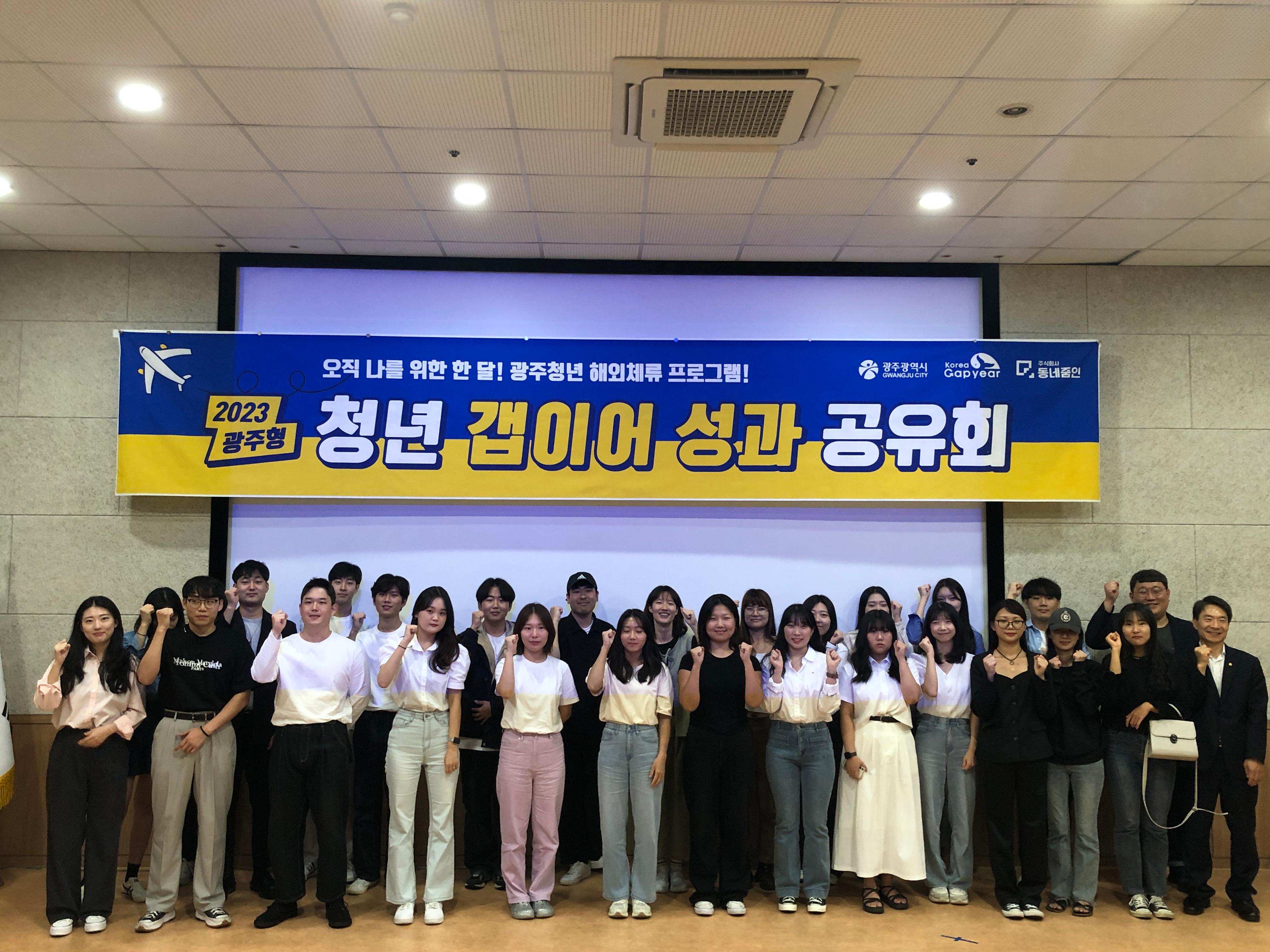
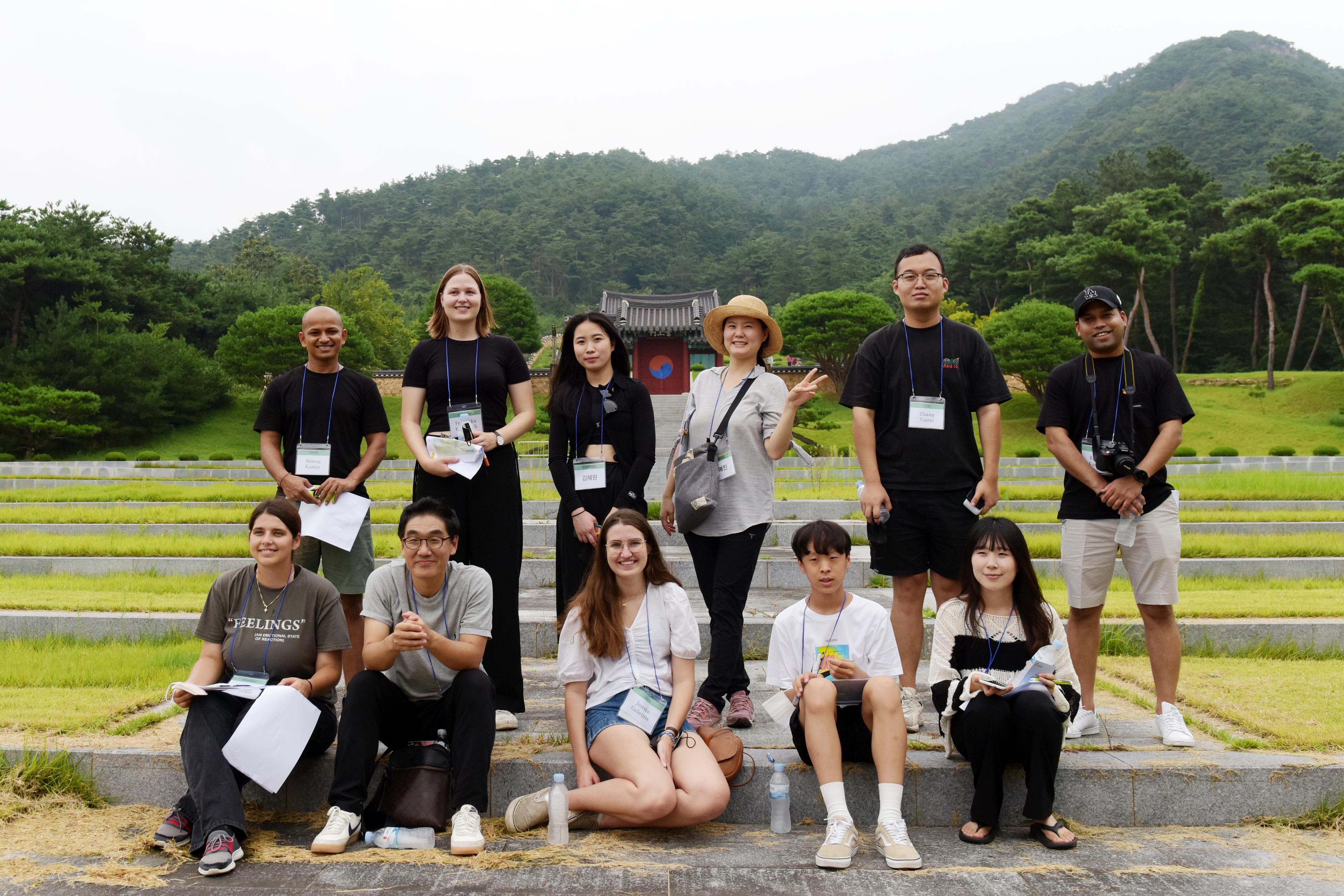
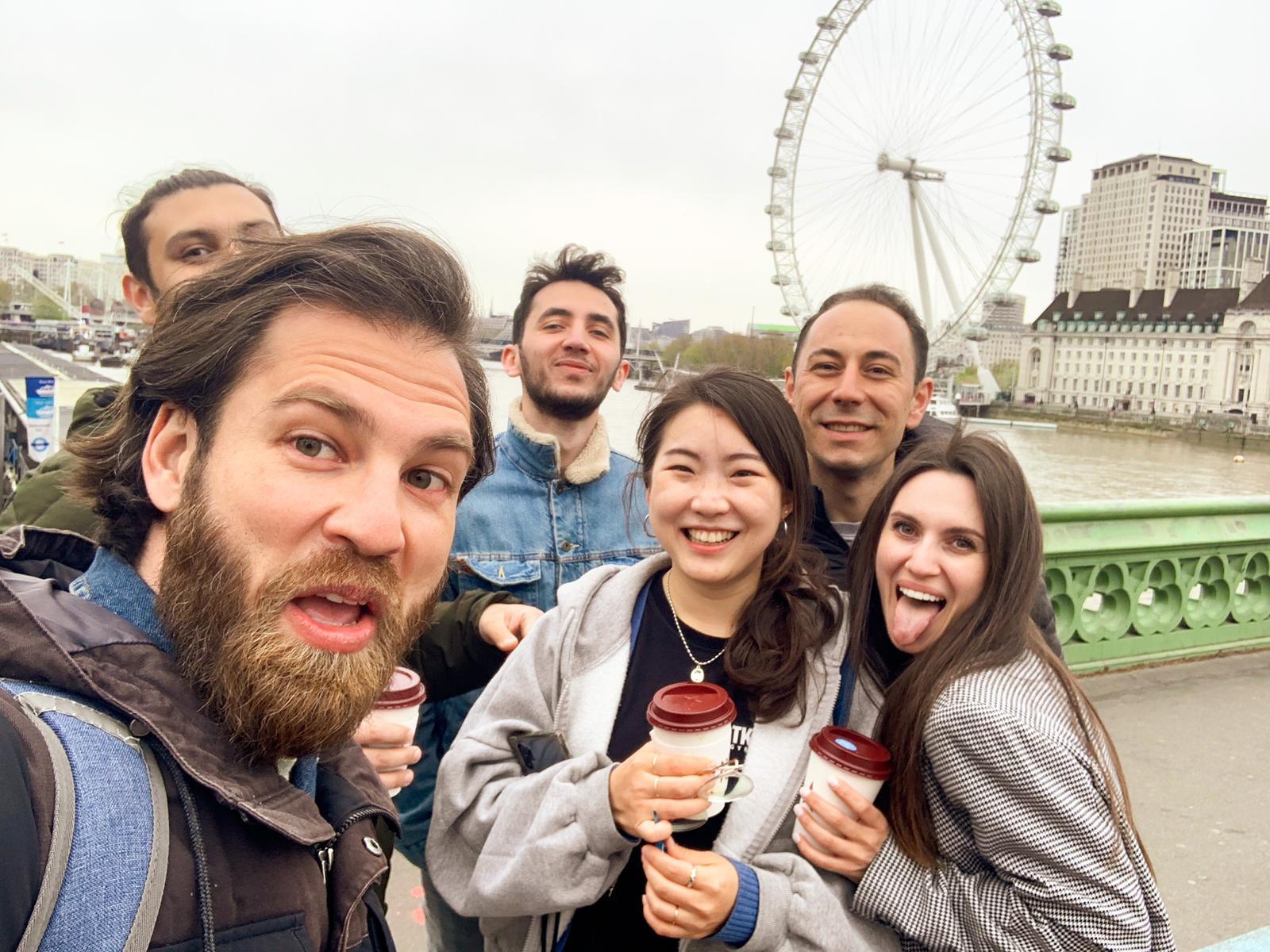
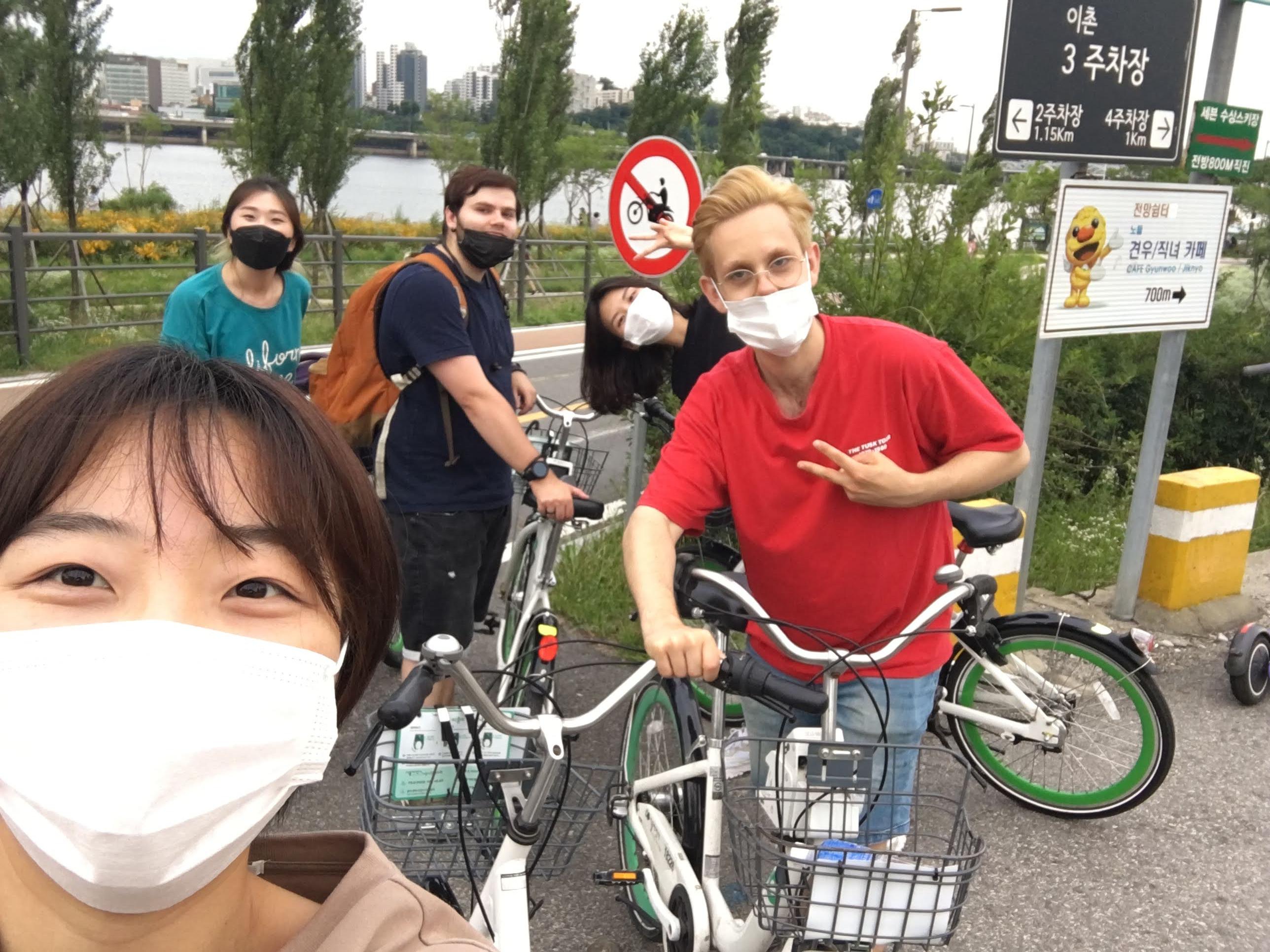
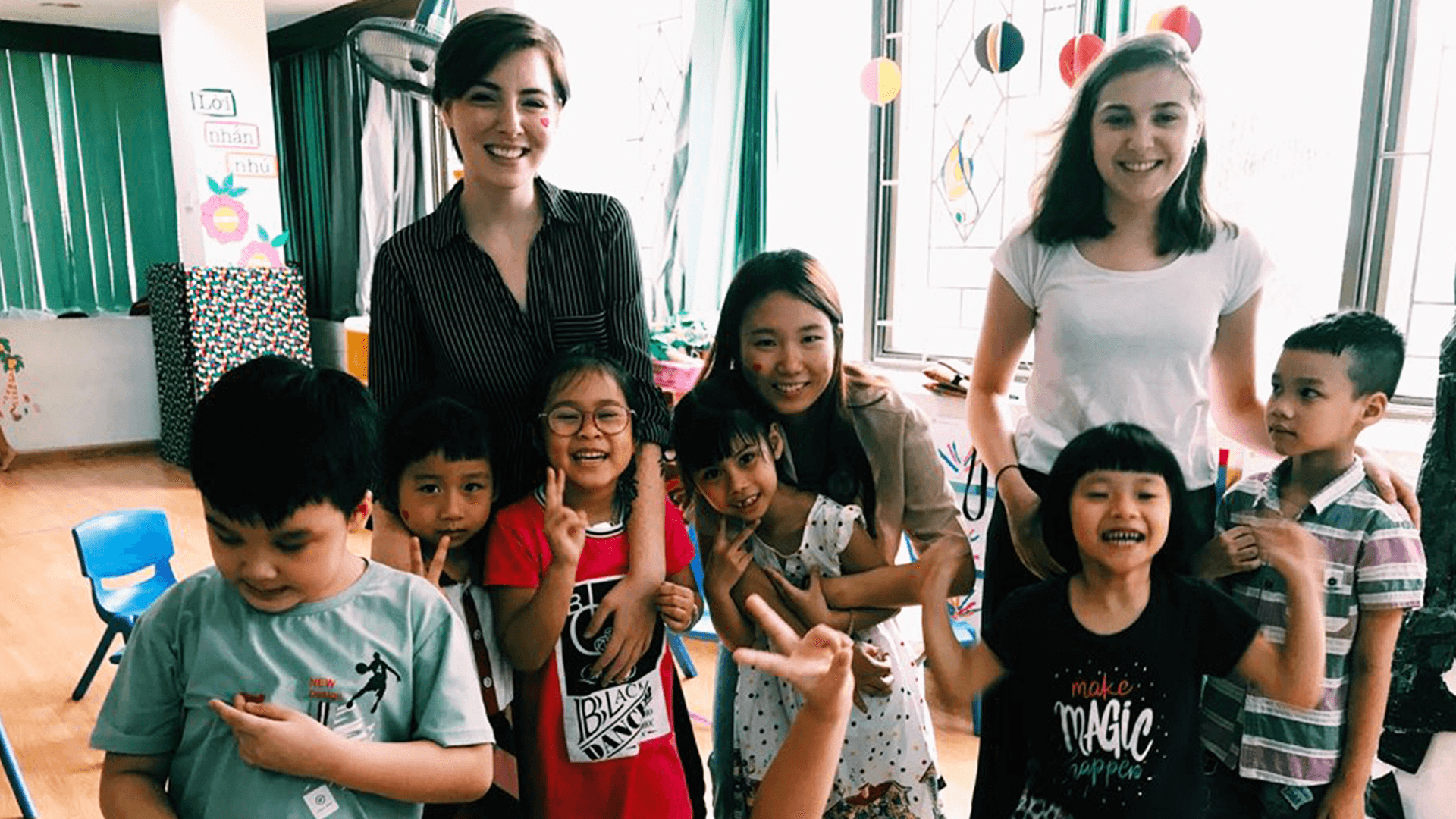
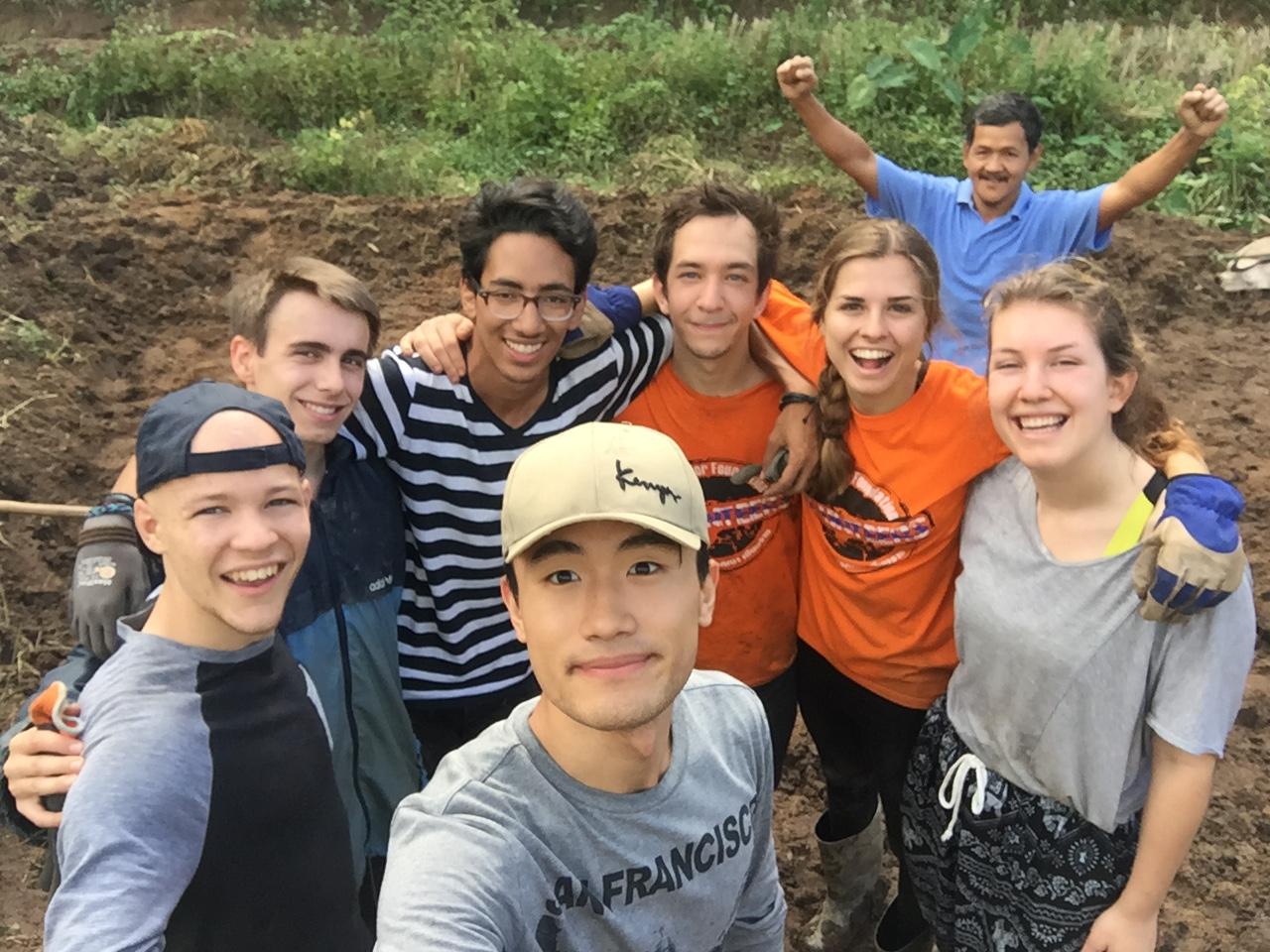
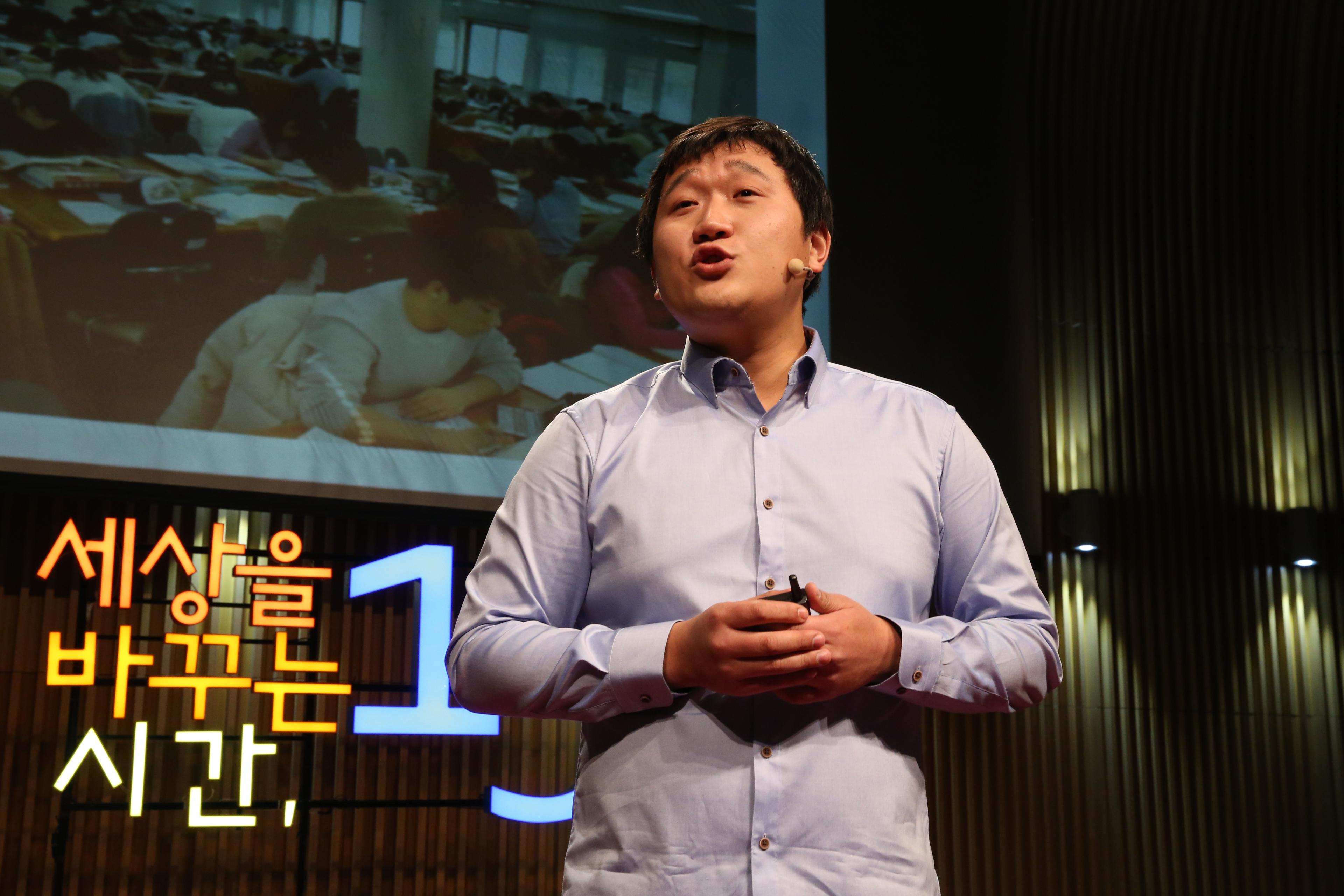
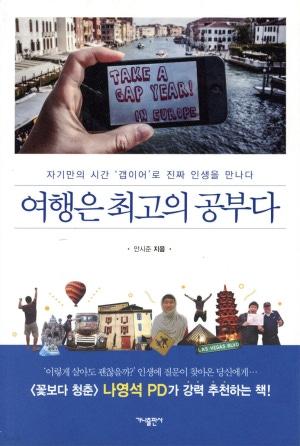
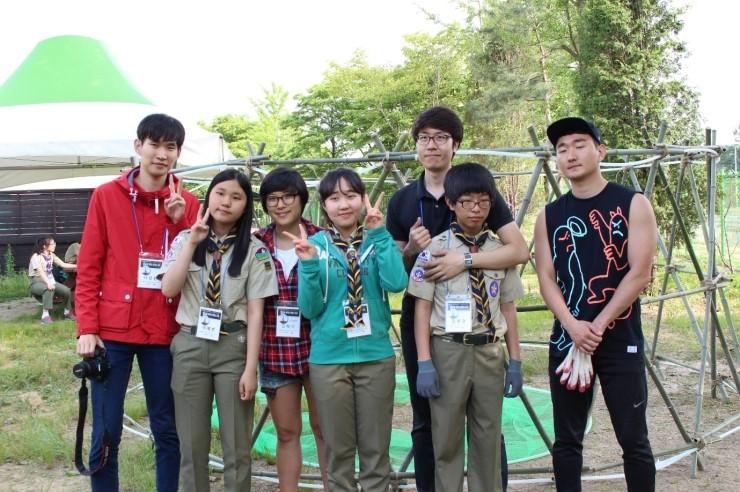
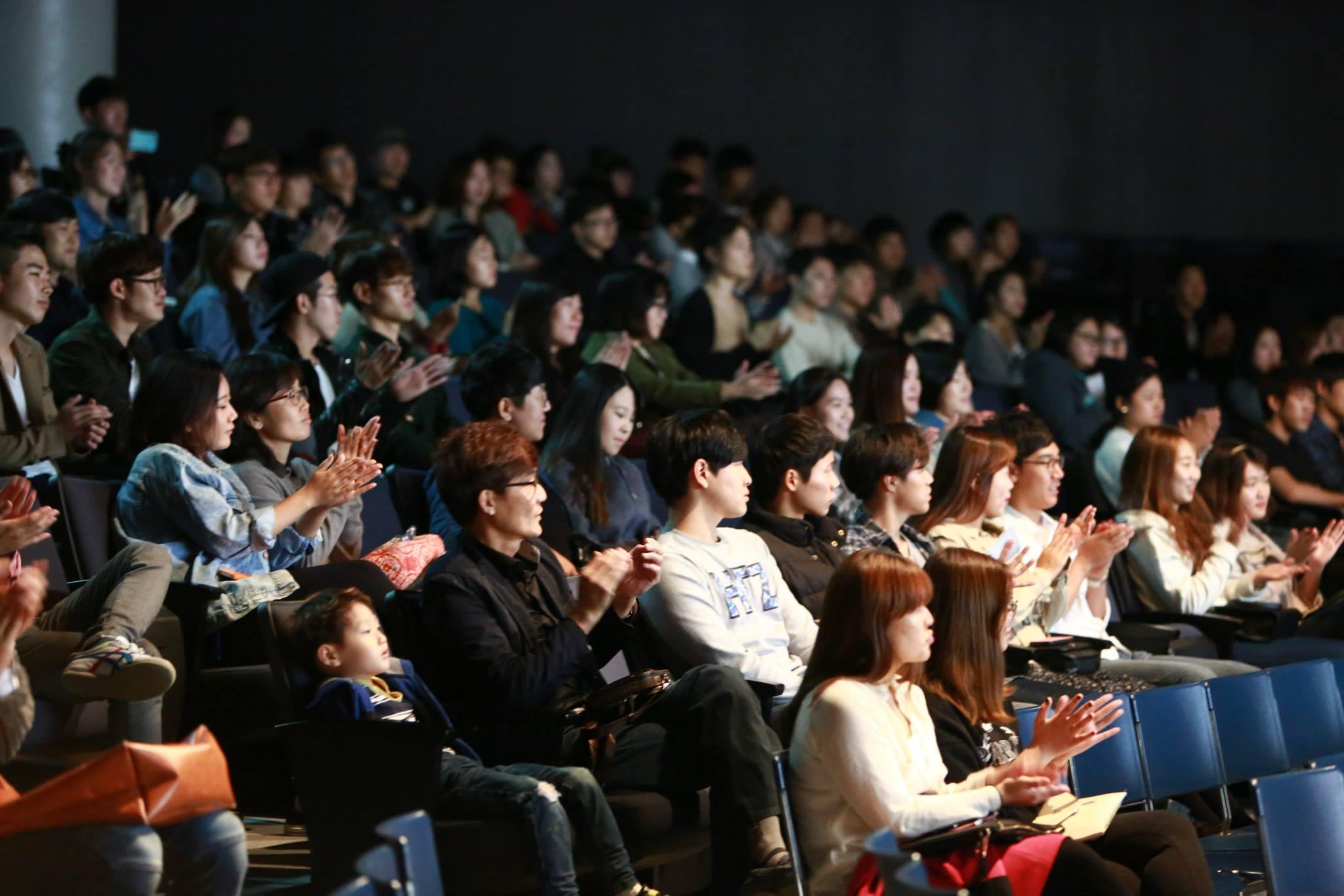





We have expanded the new experiences young people need into the public sphere.
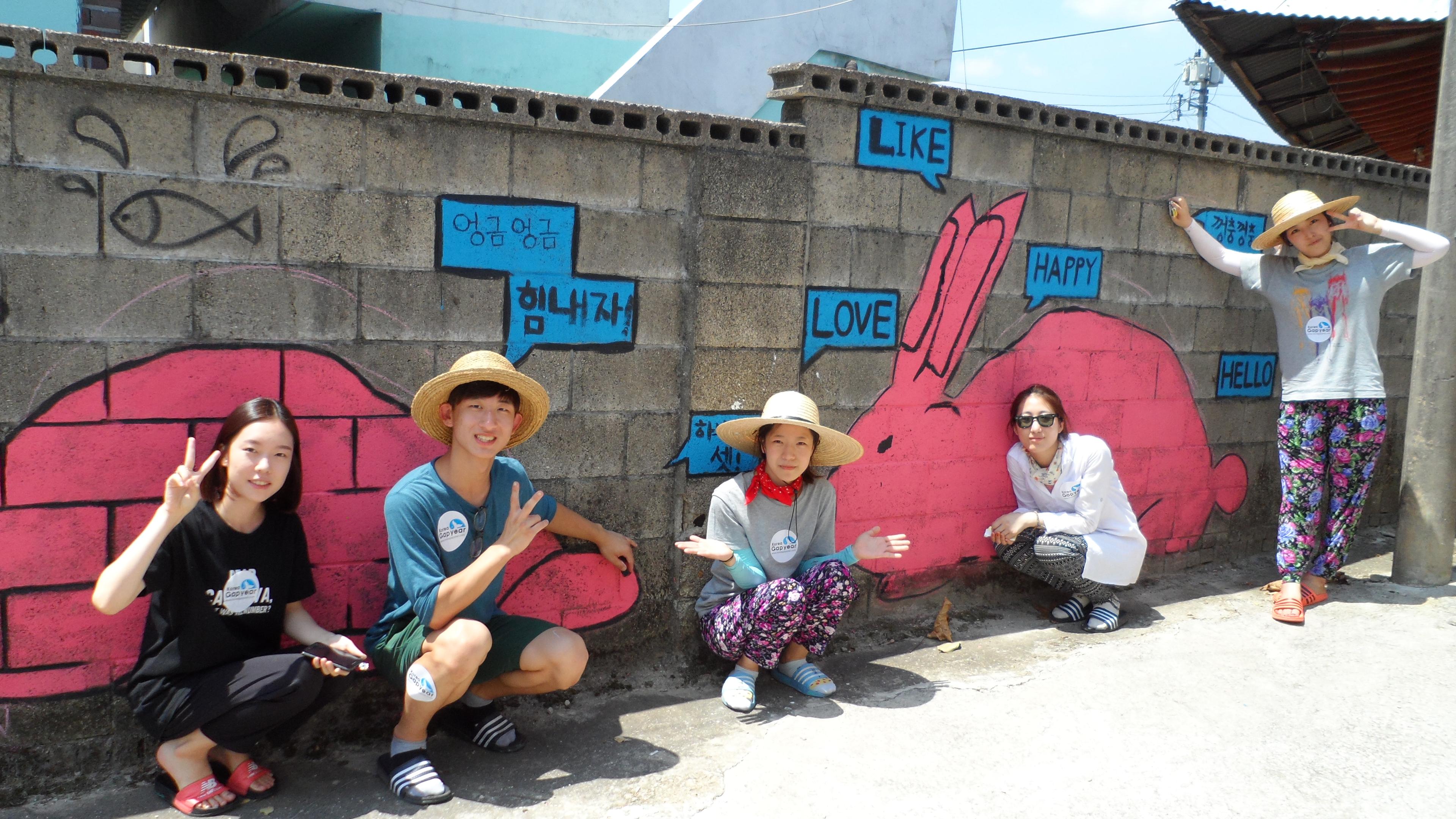
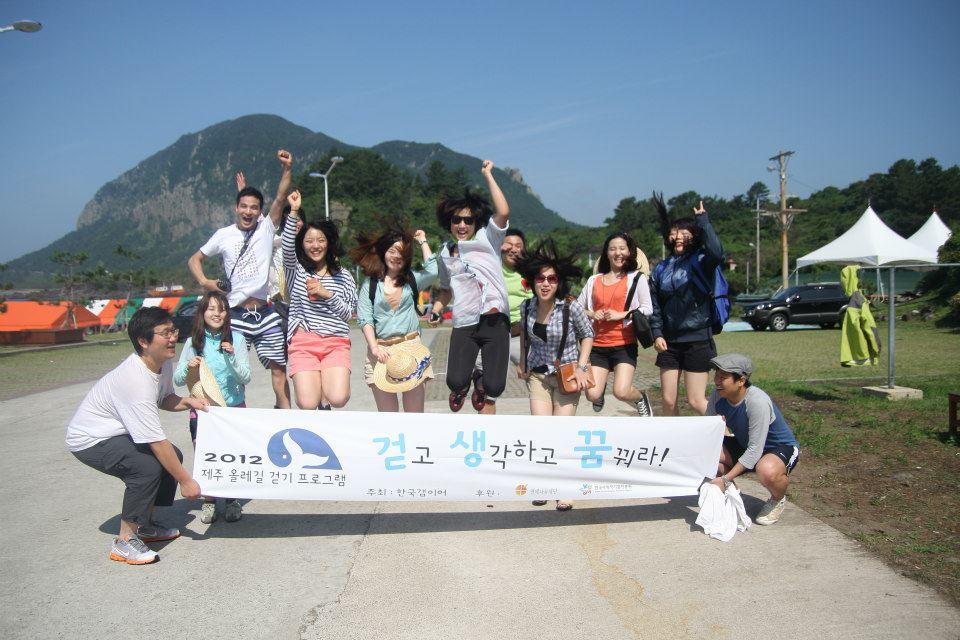
We believed that what young people sometimes need is not another lecture or a fixed answer, but time to leave a familiar environment and experience new people and a wider world firsthand. Korea GapYear has planned and run a wide range of youth programs with local governments, public institutions, and universities so that these experiences are not limited to only a few. The forms of the work have varied—from projects that let people live a new life overseas, to programs for living in a region for a set period, career exploration, work experience, social-economy internships, youth villages, and local exchange. What mattered was not the name of the program, but creating an experience in which young people actually live in a new environment, meet people, make their own choices, and expand their possibilities.
Public programs matter because they can offer opportunity to many people. That is why Korea GapYear does not stop at recruiting participants and running a program. We first understand the purpose of the work and the young people who take part, then design the experiences they need.
Going forward, we will continue creating new youth programs with public institutions so that more young people can experience different ways of living and find their own direction, regardless of economic or environmental conditions.
From traveling through a region to living in it
Revitalizing a region does not always require large numbers of people to move there. When more people stay a little longer, meet the people who live there, experience daily life, and build relationships, that too brings new vitality to a place.
Since 2012, Korea GapYear has been more interested in staying in one place and living there than in quickly touring a region and leaving. Starting with one-month stays and local stays, we have created many forms of residential programs—gap years in depopulated areas and smaller cities, youth local living, local work experience, local working holidays, and living-population projects. Instead of consuming a region as tourists, participants walk the neighborhood, meet residents, experience local work, and become temporary residents. The region, in turn, builds relationships with new people and discovers new possibilities in the people, spaces, culture, and content it already has.
Korea GapYear sees a region not simply as a destination to visit, but as a place where someone can try a new life. Creating new life choices for people, and new relationships with those who stay for the region. Through these experiences, Korea GapYear continues to find ways for regions and people to come alive together.
We help young people from around the world not only travel in Korea, but live here.
Korea GapYear began by connecting programs around the world so that Korean youth could experience a wider world. Over time, we also found possibility in the other direction. Korea, too, could be a place of new life and learning for young people from overseas. So we have created programs in which international participants do not simply travel in Korea for a few days, but stay in a region, live there, meet Korean people, and experience culture, work, industry, and local daily life firsthand. Together with overseas universities, educational institutions, and global partners, we continue a wide range of international exchange—from programs that experience Korean companies and industries, to local living, cultural exchange, volunteering and education, and long-term stay projects.
Visiting famous sights in Seoul is not enough to know Korea. The moment you live in a neighborhood, become friends with Korean people, and actually learn and work, Korea is no longer a tourist destination. It becomes another world you have lived in for a while. Korean youth experiencing the world, and youth from around the world experiencing Korea. Korea GapYear is creating a new kind of global exchange in which people and people, regions and the world, connect naturally through experience.
We believe that experiencing something firsthand is an important form of education.
We learn many things from books and lectures. But among the things that matter in life, many are hard to know without doing them yourself. Who you are, what you love, how you act in an unfamiliar environment, who you get along with, and how you start again after failure become clearer when you live through them and run into them directly.
Korea GapYear has designed activities that look different on the surface—travel, volunteering, internships, local living, one-month stays, work experience, and meeting people—so that they do not end as one-off experiences, but connect into a single process of learning. We carefully shape the flow of experience: which place to choose, whom to meet, what to try firsthand, which missions to take on, and when to have time to think alone. Within that experience, participants learn about a new world and, at the same time, about themselves. Sometimes an unfamiliar city becomes a classroom, the people they lived with become teachers, and a day that failed becomes a lesson.
Going forward, Korea GapYear wants to develop this approach into a new field of education we call “experience education.” Education that goes beyond giving the answer first—education that builds the power to experience, discover, and choose for yourself. So that the whole world can become a place of learning, Korea GapYear will keep turning experience into education.
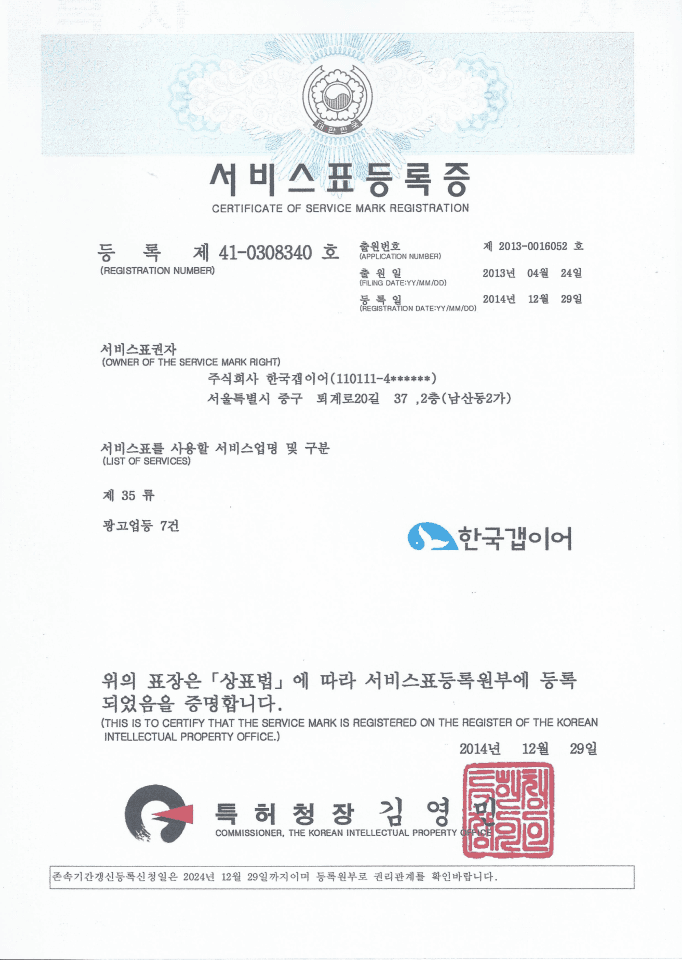
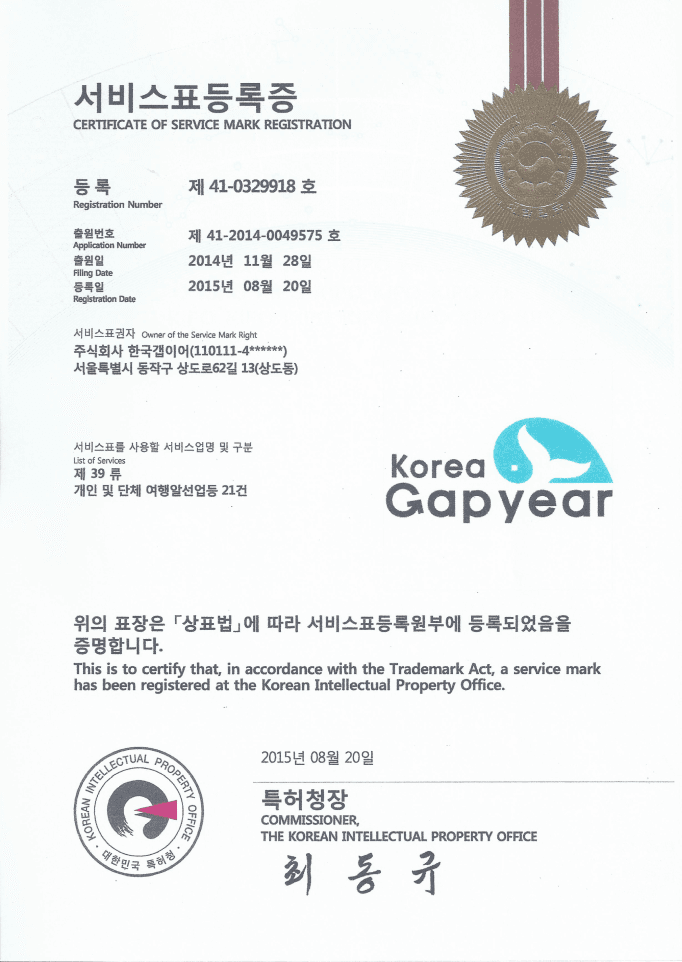
“갭이어” and “GAPYEAR” are registered trademarks of Korea GapYear.
They must not be used without Korea Gapyear's permission. Unauthorized use constitutes trademark infringement and may result in civil liability and criminal penalties.
Korea Gap Year will take strict legal action against any trademark infringement.


 Home
Home


Take a step out of your comfort zone.
Challenge yourself for your own sake.
Feel complete freedom.
Be happy.