Projects
|
FAQ
|
Announcements



#AuPair In SouthKorea #First Time Abroad #Finding Community
|
A welcoming host family and a supportive community helped Giovanna, known as Gio in Korea, feel at home during their first experience abroad. From Brazil to Korea, Gio joined Korea GapYear’s Au Pair - Demi Pair Program in South Korea as her first time abroad. While caring for two young children, Gio also found a sense of Korean community attended by Koreans and people from other countries. What Is It Like to Be an Au Pair in South Korea?For Giovanna, being an au pair in South Korea meant receiving warm support from a host family while learning to communicate beyond words. In this interview, the Brazilian participant describes caring for two young children, adapting to daily life, and finding belonging through a Korean community. |
I was drawn to Korea by its transformation and what I saw as a strong sense of identity.
Hi. My name is Giovanna, but people here call me Gio because it is easier. I’m from Brazil, and this is my first time abroad.
Watching videos about Korea’s past and present made me think about how Korean people understand who they are and what they stand for.
While studying Korean history, I found it truly fascinating that, just 100 years ago, a poor country had grown to the point where "Korea" had become a brand.
Without setting out to do so, I began looking at programs in Korea, and this au pair program came up.
My host family welcomed me warmly and gave me time to adapt.
I could tell that they cared about whether I was eating and getting enough rest. Their consideration helped me feel supported as I adjusted to living with them.
The children have been very loving, too. Their affection has been another important part of the welcome I’ve received here.
I use gestures, play, and other nonverbal ways to communicate with the children and show that I care.
My host mother speaks English, so I can communicate with her. The children, however, are four and five and speak only Korean, which creates a language barrier.
When we play together, I use gestures and other nonverbal ways to connect with them. Although I sometimes struggle to express myself in words, we have still found ways to understand one another.
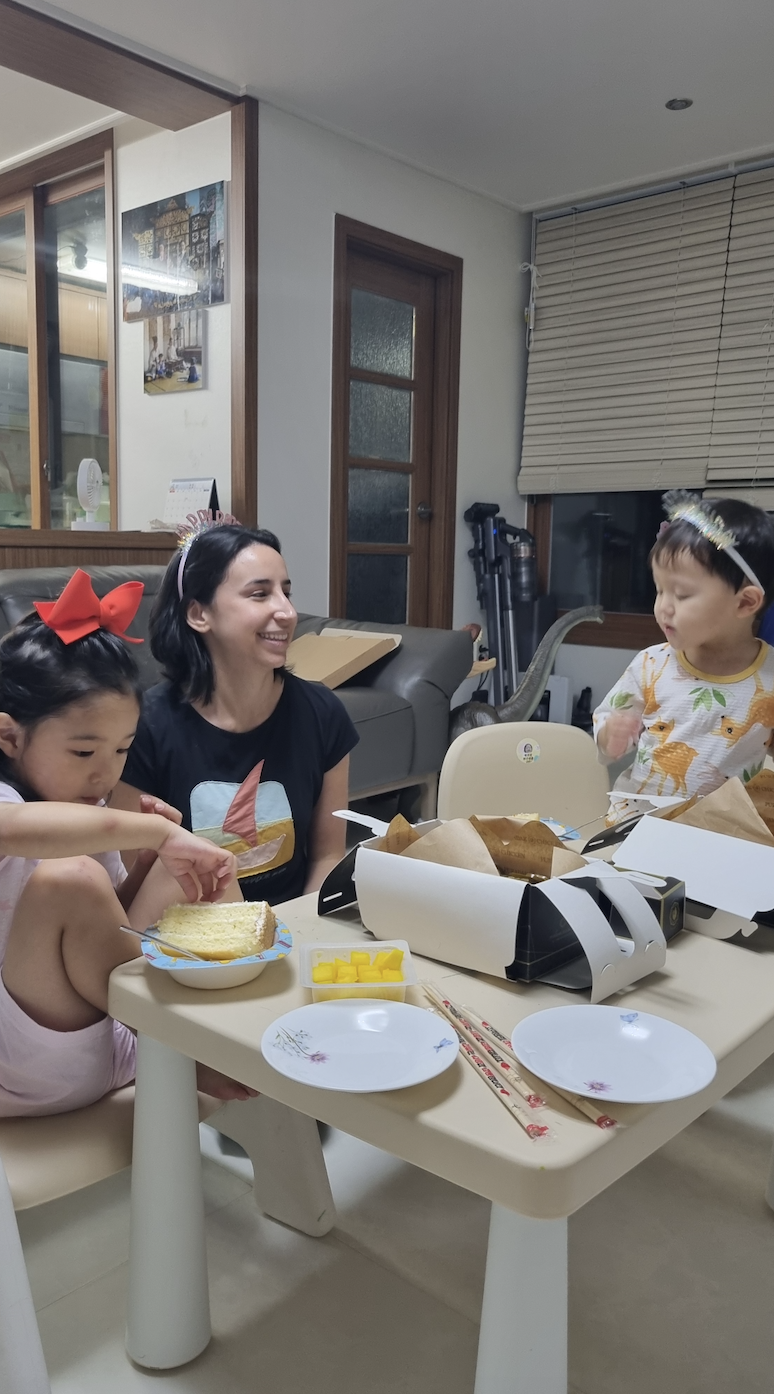
My routine includes organizing the children’s spaces and spending time with them after kindergarten.
In the mornings, I try to organize the children’s toys and the spaces where they spend their time. From Monday to Friday, I pick them up from kindergarten.
Afterward, we spend quality time together by playing, reading books, going to the playground, or riding bicycles.
Spending time with a community of Koreans and people from other countries has become my favorite activity.
Before arriving, I imagined taking dance classes and going hiking. Once I was here, however, I did not feel like doing those things because there are so many other activities in Korea.
Among many things, the one I did best was joining a welcoming Korean community. People give me time to speak and understand that using another language can be difficult. I didn’t feel judged while I was there.
We take part in different activities, and despite our differences, we get along incredibly well.
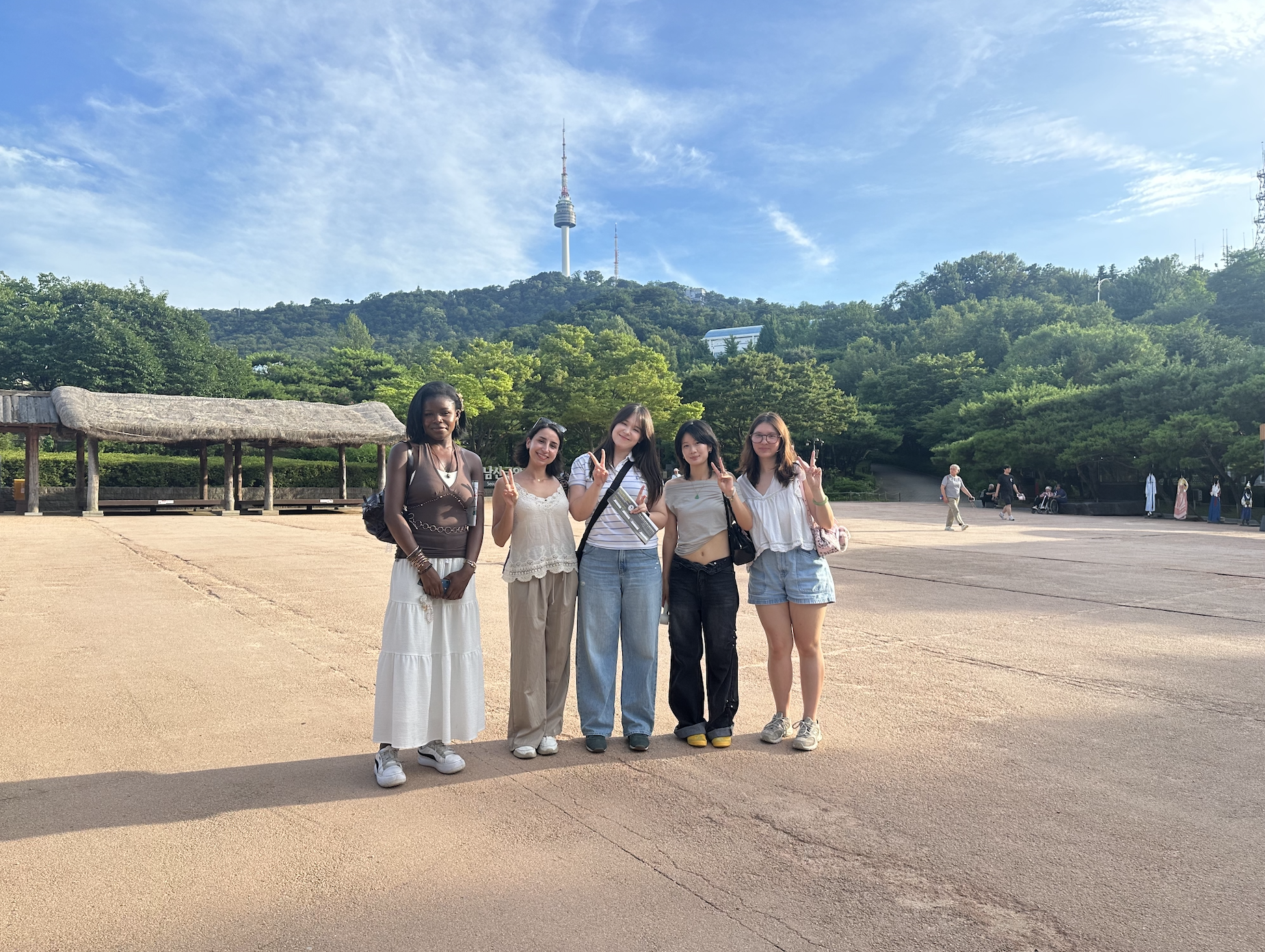
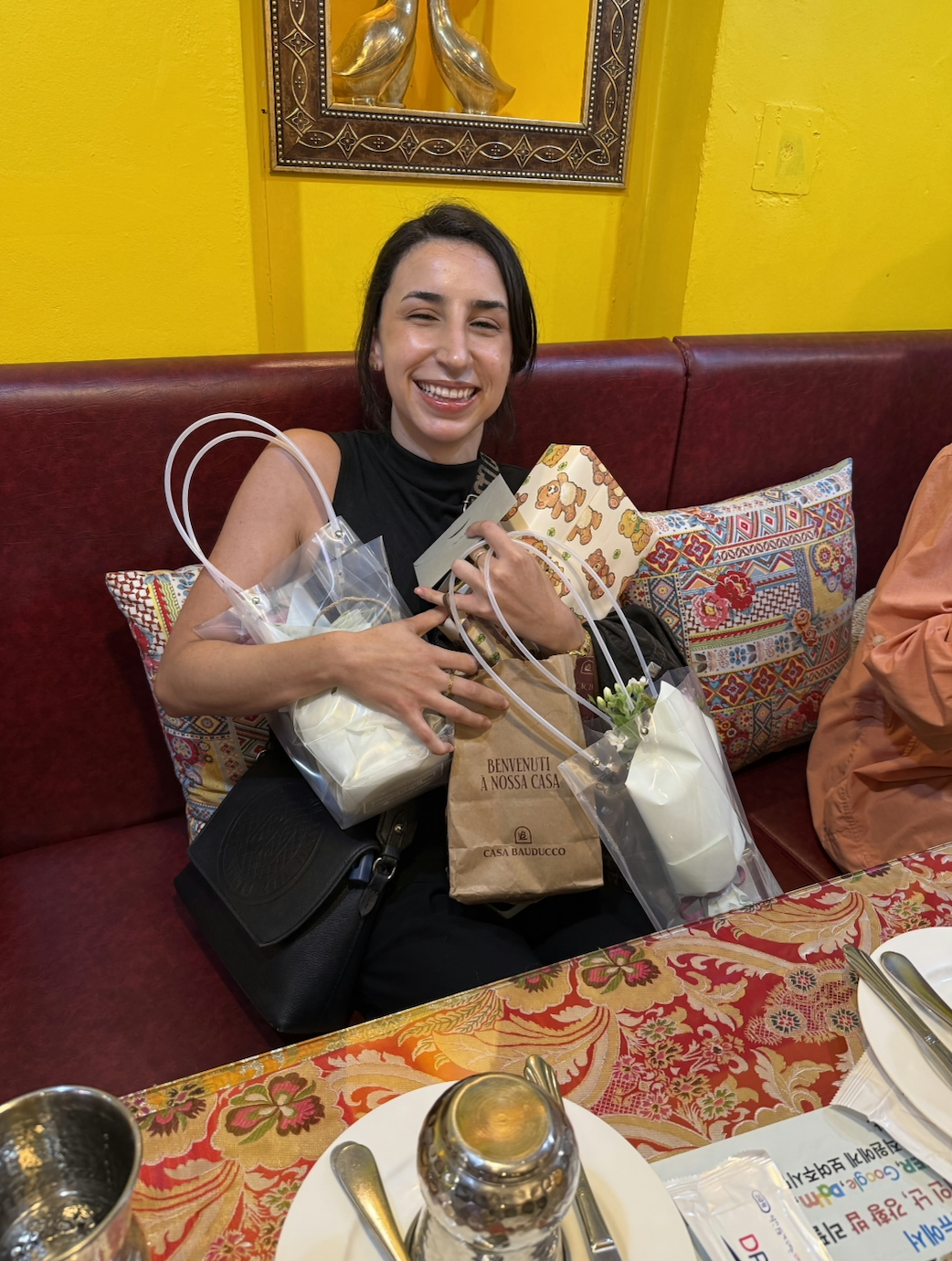
Korea began to feel familiar when I stopped getting lost on the subway and started enjoying the food.
Getting lost in another country is dangerous, but Korea is an extremely safe country. Even when I got lost, I ate delicious food without worry, and in the end, I overcame difficulties by finding my own way.
Those changes made me realize that I had begun to adapt. Familiarity came through ordinary parts of daily life.
My advice is to look for a community and take the chance to become part of a group.
It can be lonely if you do not take that step. I’ve found that people in Korea can be friendly once they know you, although getting to that point sometimes takes time.
Even though I have only been here a short time, I have never felt so fulfilled. I’m grateful for my time in Korea, the people I’ve met, and Korea GapYear.
Korea GapYear’s Live the Culture, Love the Family: Au Pair - Demi Pair in South Korea! combines living with a Korean host family and helping with childcare. Its focus is everyday cultural exchange.
The program requires a minimum commitment of three months. Exact dates and schedules are coordinated through the application and host-family placement process.
Activities may include helping with morning routines, preparing meals, assisting with homework, and playing with the children. Actual responsibilities and hours vary according to the host family’s needs and the agreed schedule.
Yes, it is possible. A working holiday visa (H-1) grants the right to stay in Korea for more than 90 days. South Korea and Brazil have been implementing a working holiday agreement since September 25, 2025.
More detailed information : H-1 Visa for Brazilian Citizens
No. Working conditions, including days and hours, vary depending on the host family. The schedule is coordinated with the participant and the assigned placement.
Outside of their scheduled activities, participants are free to enjoy their personal time. They can spend time with friends, study Korean, explore local attractions, or plan their own trips to discover more of Korea.
After an application is reviewed, selected applicants interview with the Korea GapYear team. Once accepted into the program, participants are introduced to potential host families and interviewed with a family to assess compatibility before the program details are confirmed.
|
A welcoming host family and a supportive community helped Giovanna, known as Gio in Korea, feel at home during their first experience abroad. From Brazil to Korea, Gio joined Korea GapYear’s Au Pair - Demi Pair Program in South Korea as her first time abroad. While caring for two young children, Gio also found a sense of Korean community attended by Koreans and people from other countries. What Is It Like to Be an Au Pair in South Korea?For Giovanna, being an au pair in South Korea meant receiving warm support from a host family while learning to communicate beyond words. In this interview, the Brazilian participant describes caring for two young children, adapting to daily life, and finding belonging through a Korean community. |
I was drawn to Korea by its transformation and what I saw as a strong sense of identity.
Hi. My name is Giovanna, but people here call me Gio because it is easier. I’m from Brazil, and this is my first time abroad.
Watching videos about Korea’s past and present made me think about how Korean people understand who they are and what they stand for.
While studying Korean history, I found it truly fascinating that, just 100 years ago, a poor country had grown to the point where "Korea" had become a brand.
Without setting out to do so, I began looking at programs in Korea, and this au pair program came up.
My host family welcomed me warmly and gave me time to adapt.
I could tell that they cared about whether I was eating and getting enough rest. Their consideration helped me feel supported as I adjusted to living with them.
The children have been very loving, too. Their affection has been another important part of the welcome I’ve received here.
I use gestures, play, and other nonverbal ways to communicate with the children and show that I care.
My host mother speaks English, so I can communicate with her. The children, however, are four and five and speak only Korean, which creates a language barrier.
When we play together, I use gestures and other nonverbal ways to connect with them. Although I sometimes struggle to express myself in words, we have still found ways to understand one another.
My routine includes organizing the children’s spaces and spending time with them after kindergarten.
In the mornings, I try to organize the children’s toys and the spaces where they spend their time. From Monday to Friday, I pick them up from kindergarten.
Afterward, we spend quality time together by playing, reading books, going to the playground, or riding bicycles.
Spending time with a community of Koreans and people from other countries has become my favorite activity.
Before arriving, I imagined taking dance classes and going hiking. Once I was here, however, I did not feel like doing those things because there are so many other activities in Korea.
Among many things, the one I did best was joining a welcoming Korean community. People give me time to speak and understand that using another language can be difficult. I didn’t feel judged while I was there.
We take part in different activities, and despite our differences, we get along incredibly well.
Korea began to feel familiar when I stopped getting lost on the subway and started enjoying the food.
Getting lost in another country is dangerous, but Korea is an extremely safe country. Even when I got lost, I ate delicious food without worry, and in the end, I overcame difficulties by finding my own way.
Those changes made me realize that I had begun to adapt. Familiarity came through ordinary parts of daily life.
My advice is to look for a community and take the chance to become part of a group.
It can be lonely if you do not take that step. I’ve found that people in Korea can be friendly once they know you, although getting to that point sometimes takes time.
Even though I have only been here a short time, I have never felt so fulfilled. I’m grateful for my time in Korea, the people I’ve met, and Korea GapYear.
Korea GapYear’s Live the Culture, Love the Family: Au Pair - Demi Pair in South Korea! combines living with a Korean host family and helping with childcare. Its focus is everyday cultural exchange.
The program requires a minimum commitment of three months. Exact dates and schedules are coordinated through the application and host-family placement process.
Activities may include helping with morning routines, preparing meals, assisting with homework, and playing with the children. Actual responsibilities and hours vary according to the host family’s needs and the agreed schedule.
Yes, it is possible. A working holiday visa (H-1) grants the right to stay in Korea for more than 90 days. South Korea and Brazil have been implementing a working holiday agreement since September 25, 2025.
More detailed information : H-1 Visa for Brazilian Citizens
No. Working conditions, including days and hours, vary depending on the host family. The schedule is coordinated with the participant and the assigned placement.
Outside of their scheduled activities, participants are free to enjoy their personal time. They can spend time with friends, study Korean, explore local attractions, or plan their own trips to discover more of Korea.
After an application is reviewed, selected applicants interview with the Korea GapYear team. Once accepted into the program, participants are introduced to potential host families and interviewed with a family to assess compatibility before the program details are confirmed.
Capturing the growth journeys
of our participants.

 Home


Take a step out of your comfort zone.
Challenge yourself for your own sake.
Feel complete freedom.
Be happy.


