Projects
|
FAQ
|
Announcements



#Childcare Experience #Korean Host Family #Au Pair in South Korea
| During an au pair experience in South Korea, a participant from Germany who was interested in K-pop and Korean culture lived with a Korean host family and formed a close bond with the family’s four-year-old child. On the first day, they went grocery shopping with the host mother. They later helped the child learn to ride a bike, attended Korean language classes, and explored Hongdae with a new friend. These experiences allowed the participant to experience everyday life in Korea and build meaningful relationships. |
Being an au pair in South Korea offers an opportunity to experience everyday Korean family life while supporting a host family with childcare. In this interview, a German participant shares her experience of living with a Korean family, building a close relationship with their child, studying Korean, and exploring Seoul.
My mother introduced me to Korea GapYear after finding the organization online. I had been researching au pair platforms in different countries, and she knew that I had always wanted to come to Korea. She sent me the information and encouraged me to take a closer look. When I visited the KoreaGapYear website, I found several different programs and decided to apply for the Au Pair - Demi Pair Program.
My interest in K-pop and Korean culture was one of the main reasons I wanted to become an au pair in South Korea.
While researching au pair opportunities in different countries, I kept returning to Korea because it was the country I had always wanted to experience. I wanted to learn more about the culture and discover what everyday life in Korea was like.
Finding an au pair program in Korea GapYear gave me an opportunity to connect my interest in South Korea with the experience of living with a local host family.
My first day with my host family felt exciting and welcoming.
On the way to the apartment, I tried to remember every turn because I knew I would soon be living there. We took so many turns that I quickly lost track of the route.
When we arrived, my host mother came downstairs to meet me in the parking area. We went grocery shopping together, bought Korean side dishes and other things, and then shared a meal. My host family was considerate and supportive from the beginning.
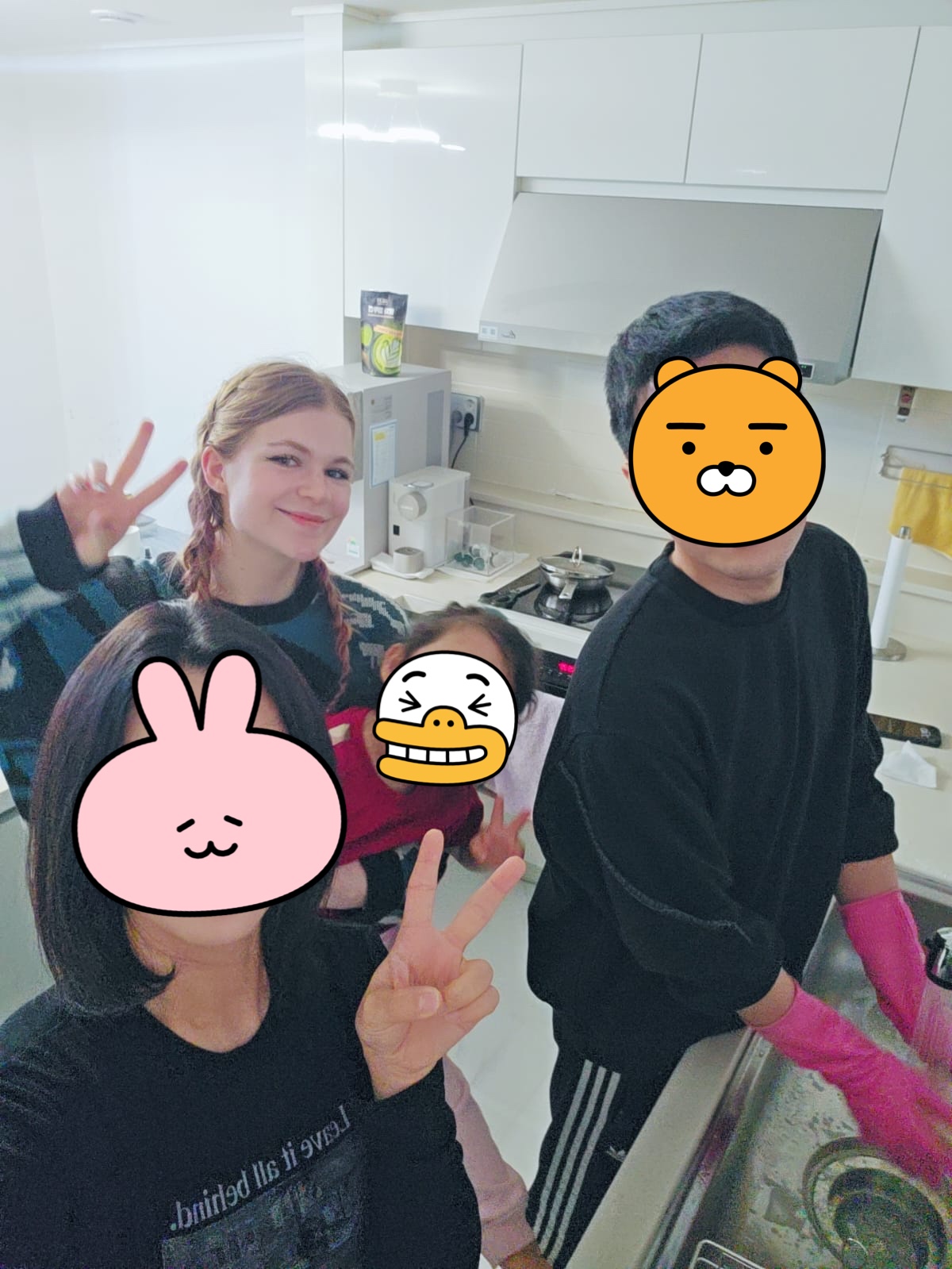
Building a close relationship with the child took time because having an au pair live with her family was a completely new experience for her.
She was very young and had never had a sibling or another person stay with the family long-term. Adjusting to my presence was therefore a little difficult at first.
As we spent more time together, things gradually improved.
We eventually became very close, and I came to care deeply about her.
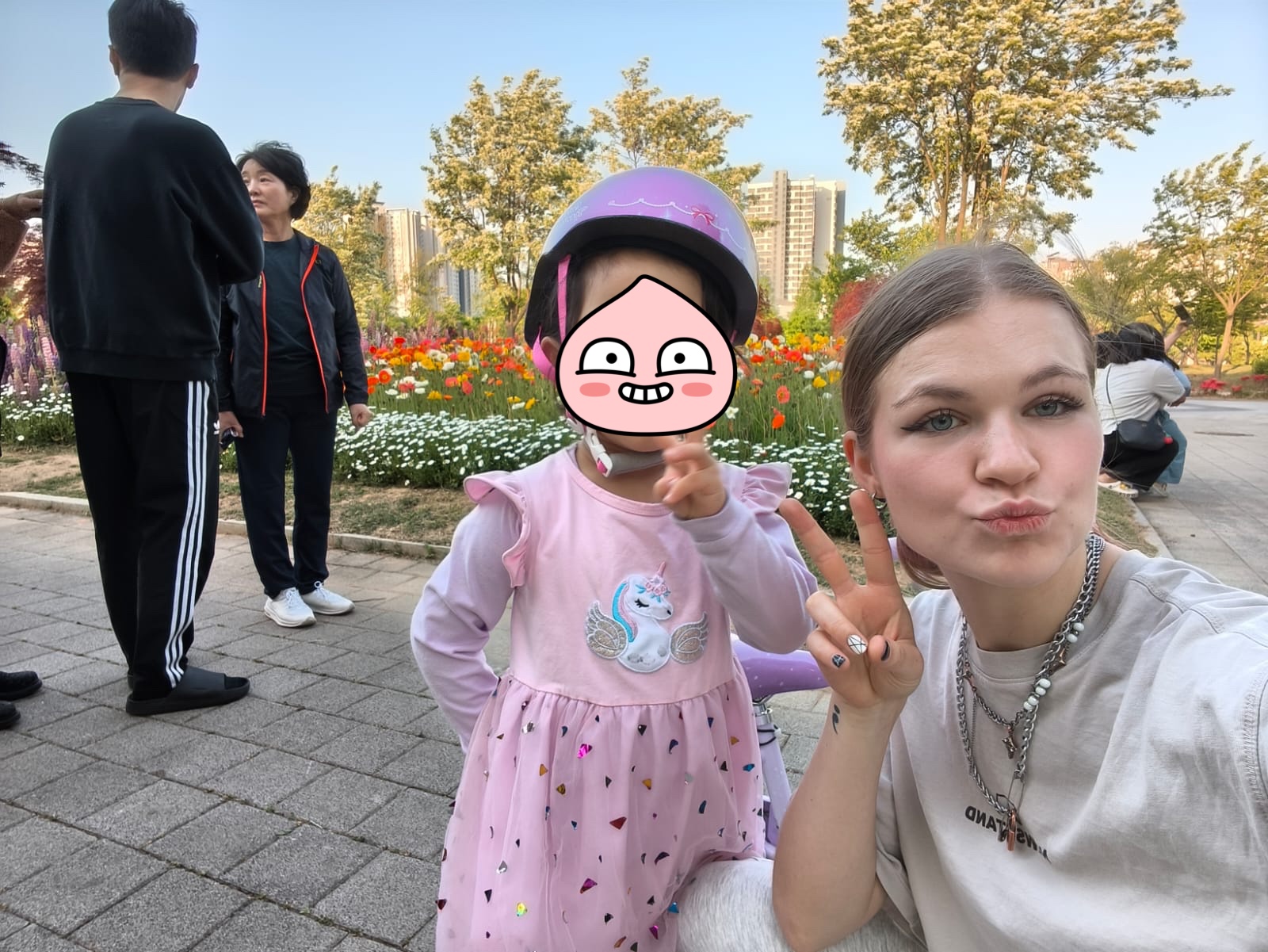
Teaching her how to ride a bicycle became one of the most memorable parts of my experience.
On a holiday, the family and I went to a bicycle shop and bought her a new bicycle. It was her first time riding one, so her parents and I worked together to help her learn. Seeing her wearing a helmet, practicing on the bicycle, and ringing the little bell was adorable.
Another day, she recognized a daisy while riding because I had previously taught her the word. I found it especially sweet that she remembered something she had learned from me.
As our bond grew, she even asked whether I would cry when it was time for me to leave. That conversation showed me how close we had become.
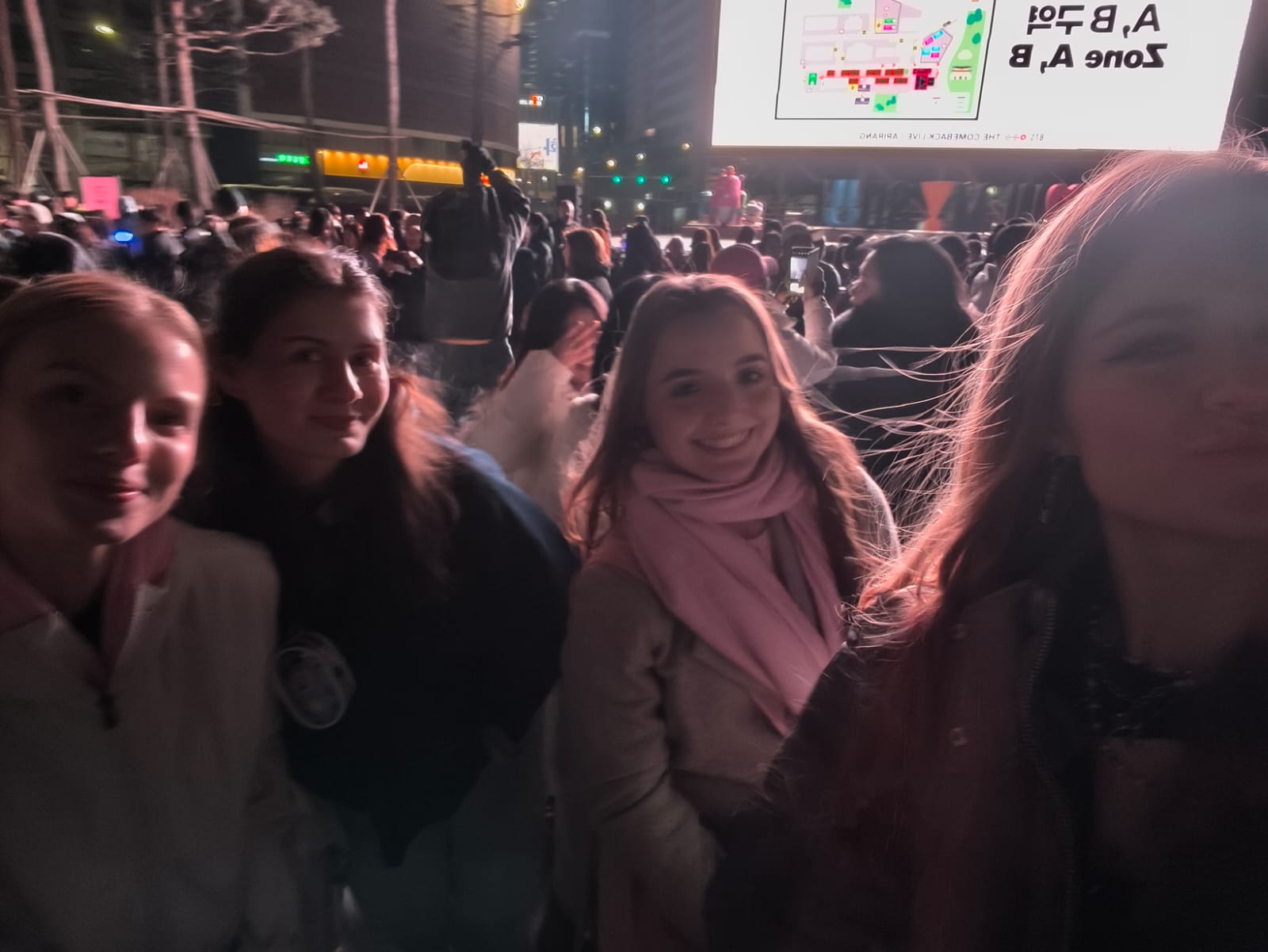
Over time, I began exploring more places and spending time with new friends.
At first, I mainly visited nearby cafés. Later, I started traveling to Hongdae to shop and explore places I had saved on my map.
I also made a friend, and we began doing something together almost every weekend. One of our outings was to a Korean sauna. It was my first time visiting one, and I found the experience new and interesting.
I attended Korean language classes four days a week and usually studied for about two hours a day. I noticed that people appreciated my effort, even when I used only a simple Korean expression while leaving a store.
Those small interactions encouraged me to keep learning and communicating with the people around me.

My advice is to remain open, talk to people, and take part in as many experiences as possible.
Living in another country brings unfamiliar situations and challenges. Instead of holding back, try new activities, connect with people, and make the most of your time.
Being willing to embrace those challenges can help you experience more of Korea and grow through the journey.
If you’re interested in Korea and like children, I highly recommend an Au Pair experience.
The Korea GapYear Au Pair - Demi Pair Program offers participants an opportunity to live with a Korean host family, support the family with childcare, and experience Korean culture through everyday family life.

Yes, international participants can explore au pair opportunities in South Korea through programs such as Korea GapYear's Au Pair – Demi Pair Program. Eligibility and host-family matching depend on individual circumstances and program requirements.
Living with a Korean host family offers an opportunity to experience everyday family routines and cultural exchange. In this interview, a German participant describes sharing meals, helping with childcare, and gradually building a close relationship with the family's young child.
Yes, learning Korean can be part of an au pair experience in South Korea. The German participant featured in this interview attended Korean language classes while living with her host family. Class arrangements may vary depending on the participant's schedule and program options.
Free time can be an opportunity to explore Korean culture and everyday life. This participant visited cafés, explored Hongdae, met new friends, and experienced a traditional Korean sauna.
You can explore Korea GapYear's Au Pair – Demi Pair Program to learn about eligibility, program arrangements, and the host-family matching process before applying.
| During an au pair experience in South Korea, a participant from Germany who was interested in K-pop and Korean culture lived with a Korean host family and formed a close bond with the family’s four-year-old child. On the first day, they went grocery shopping with the host mother. They later helped the child learn to ride a bike, attended Korean language classes, and explored Hongdae with a new friend. These experiences allowed the participant to experience everyday life in Korea and build meaningful relationships. |
Being an au pair in South Korea offers an opportunity to experience everyday Korean family life while supporting a host family with childcare. In this interview, a German participant shares her experience of living with a Korean family, building a close relationship with their child, studying Korean, and exploring Seoul.
My mother introduced me to Korea GapYear after finding the organization online. I had been researching au pair platforms in different countries, and she knew that I had always wanted to come to Korea. She sent me the information and encouraged me to take a closer look. When I visited the KoreaGapYear website, I found several different programs and decided to apply for the Au Pair - Demi Pair Program.
My interest in K-pop and Korean culture was one of the main reasons I wanted to become an au pair in South Korea.
While researching au pair opportunities in different countries, I kept returning to Korea because it was the country I had always wanted to experience. I wanted to learn more about the culture and discover what everyday life in Korea was like.
Finding an au pair program in Korea GapYear gave me an opportunity to connect my interest in South Korea with the experience of living with a local host family.
My first day with my host family felt exciting and welcoming.
On the way to the apartment, I tried to remember every turn because I knew I would soon be living there. We took so many turns that I quickly lost track of the route.
When we arrived, my host mother came downstairs to meet me in the parking area. We went grocery shopping together, bought Korean side dishes and other things, and then shared a meal. My host family was considerate and supportive from the beginning.
Building a close relationship with the child took time because having an au pair live with her family was a completely new experience for her.
She was very young and had never had a sibling or another person stay with the family long-term. Adjusting to my presence was therefore a little difficult at first.
As we spent more time together, things gradually improved.
We eventually became very close, and I came to care deeply about her.
Teaching her how to ride a bicycle became one of the most memorable parts of my experience.
On a holiday, the family and I went to a bicycle shop and bought her a new bicycle. It was her first time riding one, so her parents and I worked together to help her learn. Seeing her wearing a helmet, practicing on the bicycle, and ringing the little bell was adorable.
Another day, she recognized a daisy while riding because I had previously taught her the word. I found it especially sweet that she remembered something she had learned from me.
As our bond grew, she even asked whether I would cry when it was time for me to leave. That conversation showed me how close we had become.
Over time, I began exploring more places and spending time with new friends.
At first, I mainly visited nearby cafés. Later, I started traveling to Hongdae to shop and explore places I had saved on my map.
I also made a friend, and we began doing something together almost every weekend. One of our outings was to a Korean sauna. It was my first time visiting one, and I found the experience new and interesting.
I attended Korean language classes four days a week and usually studied for about two hours a day. I noticed that people appreciated my effort, even when I used only a simple Korean expression while leaving a store.
Those small interactions encouraged me to keep learning and communicating with the people around me.
My advice is to remain open, talk to people, and take part in as many experiences as possible.
Living in another country brings unfamiliar situations and challenges. Instead of holding back, try new activities, connect with people, and make the most of your time.
Being willing to embrace those challenges can help you experience more of Korea and grow through the journey.
If you’re interested in Korea and like children, I highly recommend an Au Pair experience.
The Korea GapYear Au Pair - Demi Pair Program offers participants an opportunity to live with a Korean host family, support the family with childcare, and experience Korean culture through everyday family life.
Yes, international participants can explore au pair opportunities in South Korea through programs such as Korea GapYear's Au Pair – Demi Pair Program. Eligibility and host-family matching depend on individual circumstances and program requirements.
Living with a Korean host family offers an opportunity to experience everyday family routines and cultural exchange. In this interview, a German participant describes sharing meals, helping with childcare, and gradually building a close relationship with the family's young child.
Yes, learning Korean can be part of an au pair experience in South Korea. The German participant featured in this interview attended Korean language classes while living with her host family. Class arrangements may vary depending on the participant's schedule and program options.
Free time can be an opportunity to explore Korean culture and everyday life. This participant visited cafés, explored Hongdae, met new friends, and experienced a traditional Korean sauna.
You can explore Korea GapYear's Au Pair – Demi Pair Program to learn about eligibility, program arrangements, and the host-family matching process before applying.
Capturing the growth journeys
of our participants.

 Home


Take a step out of your comfort zone.
Challenge yourself for your own sake.
Feel complete freedom.
Be happy.


