Projects
|
FAQ
|
Announcements








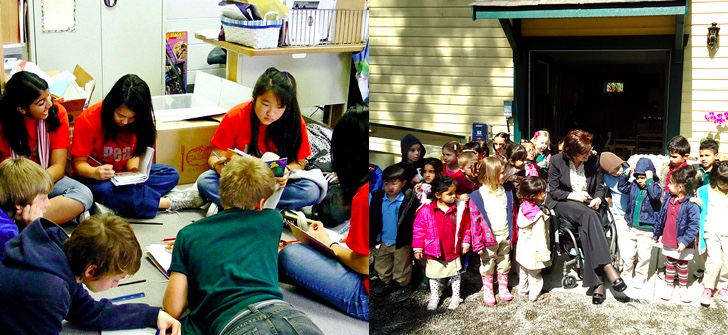
This project is an internship in which participants take a 12-week English course in Australia, then are placed in government-accredited official educational institutions to work as assistant teachers in primary, middle, and high schools and childcare centers. (During the 12 weeks of English classes, you will focus solely on the classes rather than working. For the English classes, you will take a placement test and attend the class that matches your level.)
After completing the internship, you can receive a school-certified letter of recommendation, which isvery useful for those who are interested in the local education sector or seeking employment locally.
Capturing the growth journeys
of our participants.

Activity Details
- This projectEnglishis conducted.
English proficiency requirement★★★☆☆
A certain level of English proficiency is required in each field, but because a 12-week English course will be held in Australia before the internship placement, participants can join as long as they have basic communication skills.You can choose the internship duration and hours, but coordination with the local school is necessary, so we recommend consulting first. After the internship ends, you will receive a verified letter of recommendation from the school.
* This project specifies the level of English needed for participants to use English in actual work before receiving vocational training.
After completing the application, participants will take a basic test. If the test results indicate you do not meet the required level,you may need to take additional English classes.
● 12-week English course
The English classesare held 5 days a week (Mon–Fri), 8:50 AM to 1:15 PM.
- Participants are assigned to appropriate classes at the local language school based on a written test conducted domestically, and customized lessons are provided from basic to advanced levels.
- Classes are small, with an average of 13 students per class, giving each student many opportunities to participate. (Maximum 18 students)
- Levels are divided into five stages, and participants are reassigned monthly to classes that match their level through testing.
- After completing the English course, a certificate proving completion will be issued by the Australian language school.
●Assistant Teacher Internship
1. Childcare (Children Care)
Activities in childcare vary depending on the assigned class and the teacher's teaching methods.
0–2 year classStaff feed the children baby food and milk and change their diapers. They also play with the children and read books to them.
3–4 year classThey have many physical activity and creative-development sessions with the children.
In Australian childcare centers, children are required to go outside 2–3 times a day to get sunlight and enjoy outdoor activities.
Indoors, staff spend time with the children drawing together or making crafts.
They also provide snacks and lunch and are responsible for sterilizing and washing each child's labeled water bottle.
2. Primary and Secondary Schools (Primary / Secondary School)
- Group class management
Generally, you observe when local regular teachers teach and prepare lessons together with the teachers. Because Australian classes often involve discussions and debates, students sit in groups to attend lessons and complete assignments. At this time, assistants sit at tables with the students to check that they follow the teacher's instructions and to re-explain to students who do not understand.
- Managing student activities during recess and lunch
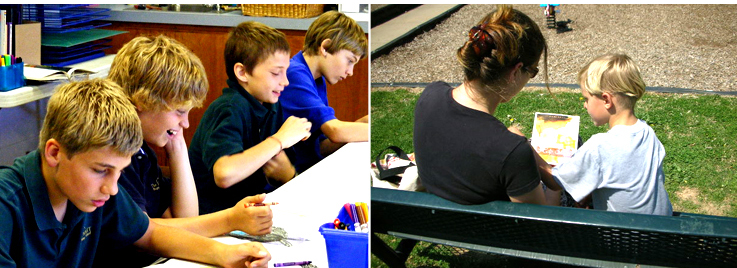
Primary and secondary schools in Australia have two snack times and a lunch break. During lunch, they eat for about 20 minutes and then everyone engages in various activities such as going out to the playground or to the library. As an assistant teacher, you may run and play with students on the playground or go to the library with them to read.
- Managing student activities before class starts and after school
Regular school hours for primary and secondary schools in Australia are from 9:00 AM to 3:30 PM. Assistant teachers look after students before classes start (Before School Care) and after school until parents arrive (After School Care). During these times they usually play with the students or help them with that day's homework. They may also draw together, create artworks, or engage in physical activities, varying according to assigned school projects.
* The internship period can be chosen from a minimum of 4 weeks, depending on your own plan.
* The internship runs five days a week for at least 4 hours a day, and you can choose between a full-day program (6–7 hours) and a half-day program (depending on the school) You can choose.
* Participation in this project requires a certain level of English proficiency for each field.
- Childcare (Child Care):Upper-Intermediate or above:Able to communicate at a basic level and express one's own intentions.
- Primary School:Intermediate level or above:Able to communicate using basic vocabulary.
- Secondary School:Upper-Intermediate level or above:Able to clearly express oneself using advanced vocabulary and relatively accurate tenses.
* All educational institutions are located within Zone 1.(In Melbourne, transport zones are divided by distance into Zone 1, Zone 2, and Zone 3. Zone 1 is the city center; as you move outward, areas fall into Zone 2 and Zone 3.)
* Participants wishing to do a childcare internship must, according to Australian law, have graduated from an early childhood education program (2-year or 4-year, either is acceptable) or have experience working at a childcare center in Korea.
* Due to the nature of this project, internships cannot be conducted during school holidays in Victoria; internships take place after completing the English course during periods excluding school holidays.
* After completing the internship, you will receive a verified letter of recommendationYou will receive it. References are important when seeking employment locally. Since the school will provide a recommendation detailing what you did and how well you performed, this project is essential for those who intend to work in the education sector in both Australia and Korea.

* Detailed testimonials from participants can be found Gap Year Story (click) 에서 확인하실 수 있습니다.
* More participant testimonials are available in the "Participant Reviews" section at the bottom of the project page.
Some inclusions are available when options are added or selected.
* A Police Check is issued locally and is required when working in Australian childcare centers, primary, middle, and high schools. Because the role involves working with children, it is necessary to verify your identity including any criminal records.
* The Working With Children card is issued locally and is mandatory when working in Australian childcare centers.
Items not included
- Round-trip airfare
- Visa issuance fee
- Individual travel insurance fee
- Other local living expenses
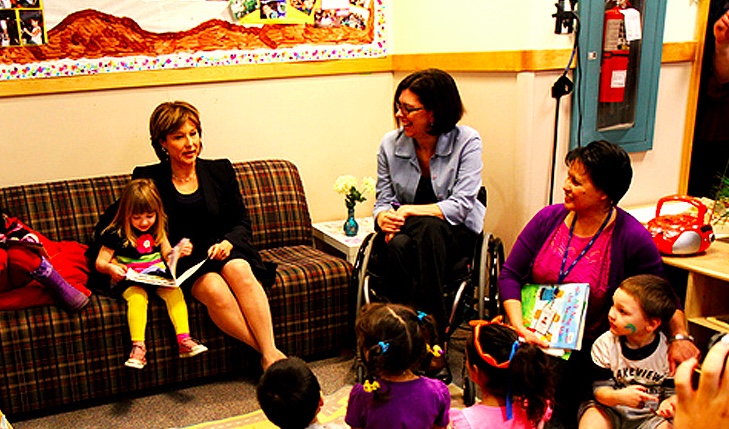

All courses at our institution are registered with the Australian Government CRICOS. We are also a reputable institution accredited by Australia's National ELT Accreditation Scheme (NEAS) and the International Association of Language Centres (IALC). As a result of our teaching staff and school administrators striving to provide better education, we have become popular with international students worldwide and were selected as Victoria's Best School in 2013 and 2014. Our teachers are experienced TESOL instructors in the educational field and also serve as examiners for the internationally renowned Cambridge ESOL and IELTS. To deliver high-quality education to students, teachers maintain small classes with 13 students per class.
|
- TESOL TESOL stands for "Teaching English to Speakers of Other Languages" and refers to courses that teach methods of teaching English to people whose native language is not English.
- Cambridge ESOL Cambridge ESOL is an examination developed by the University of Cambridge in the UK. It goes beyond a simple English test and can be likened to a language skills examination; it is one of the most authoritative general English tests administered worldwide.
- IELTS IELTS stands for the International English Language Testing System and is an English qualification test mainly used in the United Kingdom, Australia, New Zealand, and Canada. |

| Participants can freely choose accommodation in the Melbourne area according to their personal tastes and budget. If participants have difficulty finding accommodation, Korean Gap Year will connect them with housing near Melbourne where they can stay with language school students. |
The accommodation used for this project is an ideal place to begin a stable life after arriving in Melbourne. Located in a residential area just above the city center, it offers a quiet place to rest. Imagine your upcoming Melbourne life while enjoying the cool night air at the rooftop cafeteria.
Homestay
The accommodation is about 45 minutes to 1 hour from the project site. On weekdays, two meals (breakfast and dinner) are provided daily, and on weekends three meals are provided. You will prepare breakfast and lunch yourself at the homestay, while dinner will be a cooked meal. Stay in an Australian local home and fill your daily life with English.
| 4 weeks | 6 weeks | 8 weeks |
| 1,550,000 | 2,150,000 | 2,750,000 |
| 10 weeks | 12 weeks | 16 weeks |
| 3,350,000 | 3,950,000 | 5,150,000 |
| Private room / meals provided / basic bedding and furniture supplied / shared bathroom / laundry facilities |
* Homestays require a minimum stay of 4 weeks.
* Phone & internet are available for an additional fee paid to the host (1 week $10).
Residence
Apartment-style student residence located about 15–20 minutes from the project site. Each apartment contains 5–6 private rooms, and roommates share a common kitchen and bathroom. This accommodation allows you to enjoy social time with friends while having a private room for an independent and free living experience.
| 4 weeks | 6 weeks | 8 weeks |
| 1,510,000 | 2,090,000 | 2,670,000 |
| 10 weeks | 12 weeks | 16 weeks |
| 3,250,000 | 3,830,000 | 4,990,000 |
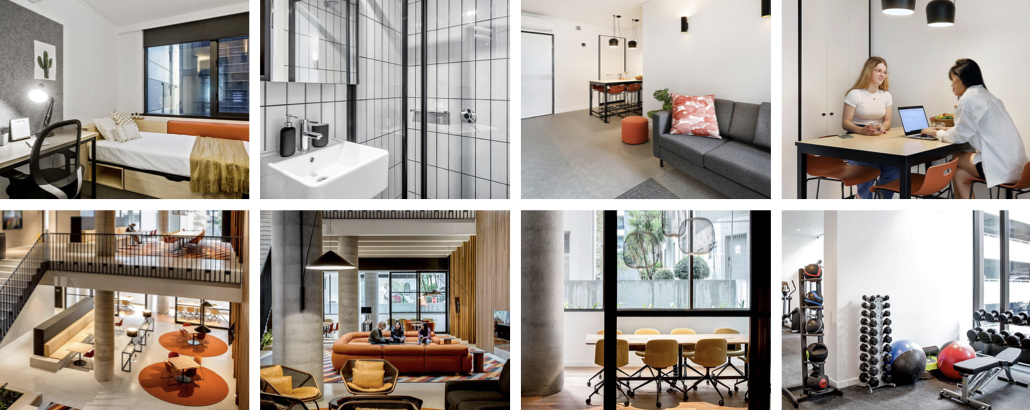
|
Private room / Meals not provided (kitchen available) / Electricity, gas, water, bedding set included |
|
|
Private room options: desk, chair, wardrobe, bookshelf, storage space, full-length mirror |
Building facilities: |
* The residence requires a minimum stay of 4 weeks.
* For the residence, a separate accommodation deposit of $550 is payable upon arrival.
* The deposit will be fully refunded upon checkout, minus a cleaning fee ($100), provided there is no damage to items within the residence.
| Region :Australia, Melbourne


Melbourne is regarded as a city where education and the arts come together..People of various nationalities and ethnicities live together, and international students from around the world can study in a welcoming, home-like atmosphere.Students from an increasing number of countries are steadily coming to study here, further improving the quality of Australian education. In a place where diverse cultures are respected alongside education, you can experience Melbourne's distinctive artistic character throughout the city.
In the graffiti laneways, known as artists' playgrounds, you can see people using walls as canvases, and on the streets you can easily meet amateur artists displaying their work or dancing. Find your own special story in Melbourne, where education and the arts harmonize!
- The school where the project takes place is about 20 km from Melbourne Airport, and it takes about 20 minutes by public transportation.
- Australia has opposite seasons to ours: December to February is the hottest period, usually exceeding 30°C. March to May is a cool autumn, June to August is a cold, damp winter, and September to November brings mild spring weather.
Also, Victoria's weather can be very changeable, so we recommend bringing an umbrella as rain can fall at any time.
■Australian travel destinations

1. Degraves Street, Melbourne
Degraves Street is a quintessential spot leading Melbourne's laneway culture, with numerous outdoor cafes and gallery shops. It is frequented more by locals than tourists, offering a place to mingle with Melburnians. In particular, a row of small coffee shops take great pride in their coffee and compete under their own brands, so you can experience different flavors of the same coffee. Feel the overflowing energy and vibrant atmosphere in the city's narrow back alleys!

2. Fremantle, Perth
Perth is the capital of Western Australia, a city that enjoys clear skies year-round. Fremantle, located in Perth, is a stylish European-style port city embracing the emerald Indian Ocean. Fremantle Markets, a traditional Australian market over 100 years old, is the best place to feel Fremantle's charm. The market, which has shared Australians' joys and sorrows in the same spot for a long time, reflects the relaxed Australian way of life. Stroll through the market and become a true AussieTry it!

3. Hosier Lane
The laneway off Flinders Street between Swanston and Russell Streets is called Hosier Lane, but to us it is better known as "Misa Alley" (the filming location for the drama "I'm Sorry, I Love You"). It is also a place where you can meet young people creating graffiti on the walls, using brightly colored spray paint as their canvas. Meet friends from around the world who express themselves with diverse values.

- People who can communicate in basic English
- Anyone aged 18 or older
- People who want to gain experience in Australia's education sector
- Anyone who has studied early childhood education or has experience working in childcare centers (required when applying for Child Care positions)
- Those who want to gain experience at local educational institutions while on a Working Holiday
■ The participation period for this project is 16 weeks.
■ The cost of this project is at the top of this page where you can easily check detailed amounts by period and option.

* For popular projects, there may be no TO, soPlease apply quickly to secure your spot.
■ Gap Year Mission Scholarship (▶ View details)
■ Installment Payment Instructions
If you have difficulty paying in full,make an upfront payment of 500,000 KRW as the registration fee and pay the remaining balance within two weeks; based on the date you paid the registration fee, the process to confirm project participation will be initiated, and availability and TO will be checked. Securing your spot quickly is important if you want to participate on your desired date and period! (No refunds once participation is confirmed)
*However, if the start date is imminent, the schedule for the remaining payment may vary depending on the circumstances.
■ Early bird discount andUrgent applicationInformation
All Gap Year projects, due to standard processing procedures and the Gap Year preparation period,we recommend applying at least 3 months before the project start dateandas a rule, please apply no later than 2 months priorto the start. However, if there are unavoidable reasons or you urgently need to join a project, by paying an additional fee for the urgent application service, we will assist with the fastest possible processing.
*We assist with the fastest possible processing, but there is basic time required for communication with local organizations and confirmation of participation, and all procedures are carried out the same as for regular participants, soparticipants using the urgent application service must actively cooperate해주셔야 합니다.
**Applicants who apply at least 180 days before the start date are eligible for an early bird discount.
***The urgent application service can be selected from the options above. For inquiries regarding the urgent application service, please contact koreagapyear@gmail.com.
- Included:Automatic sign-up for Gap Year missions and notes / All orientation materials provided immediately upon confirmation of participation / Additional urgent staff deployment / Support in preparing documents if required, etc.
*If you have difficulty calculating dates, please refer to the Naver Date Calculator >>Go to Naver Date Calculator
**Note: For super-urgent applications, there may be no available slots depending on local circumstances, and further procedures will be handled according to the Gap Year refund policy.AlsoIssues resulting from a participant's non-cooperation are the participant's responsibility.
■ Estimated additional costs (per week)
| Item | Details and Remarks | Amount | Category |
| Round-trip airfare (including tax) | Varies depending on the flight | Approximately 800,000-900,000 KRW | Exclusions |
| Visa issuance fee | Working Holiday visa | AU$440 | |
| Individual travel insurance fee | Varies by insurer/period | Estimated around 10,000 KRW | |
| Airport charges | - | - | |
| Local living expenses | Accommodation and meals starting 3 days after arrival in Melbourne | Estimated around 200,000-250,000 KRW |
*Airfare may vary depending on the flight.
*Local living expenses are based on average estimates and may vary depending on participant preferences.
*Participants' travel expenses and personal spending money are not included.
■ Note (Estimated local prices)
| Accommodation | Per night | Meals | Per meal |
| Guesthouse | About 25,000 KRW | Local meal | About 10,000 KRW |
| Hotel | About 100,000 KRW | Restaurant | About 25,000 KRW |
*Estimated local prices are provided as averages and may vary depending on participants' preferences.



 Home
Home

Take a step out of your comfort zone.
Challenge yourself for your own sake.
Feel complete freedom.
Be happy.





 Please select a start date.