Projects
|
FAQ
|
Announcements







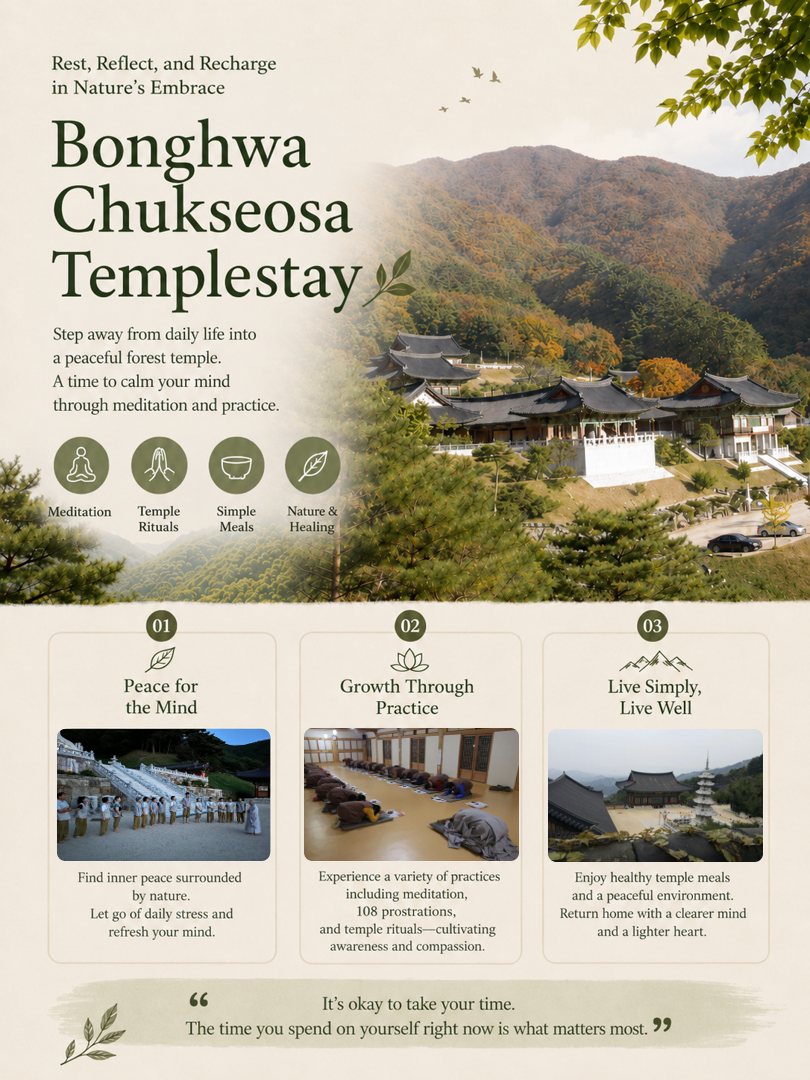
Escape from a busy and complicated daily life,A program to relax at a temple deep in the forest and cultivate the mind through practice.This program offers time to let go of difficult and painful thoughts and find peace through daily practices such as meditation, zazen, and ceremonial services. Enjoy the beautiful nature, regain composure, and cultivate the strength to view your life anew and make changes.
1. A peaceful time to heal the mind
The monk of Chukseosa explains that when the mind lacks composure, one is easily hurt by small words and experiences anxiety and difficulties in relationships. Here,through nature and leisure, you can learn how to let go of a troubled, painful heart and find ease.In the temple's daily life—such as zazen, ceremonial services, and formal meal rituals (barugongyang),take time to look deeply into your own mind.Once suffering fades and the mind becomes at ease, you will naturally develop the capacity to understand and consider others.
2. Life changes created through practice
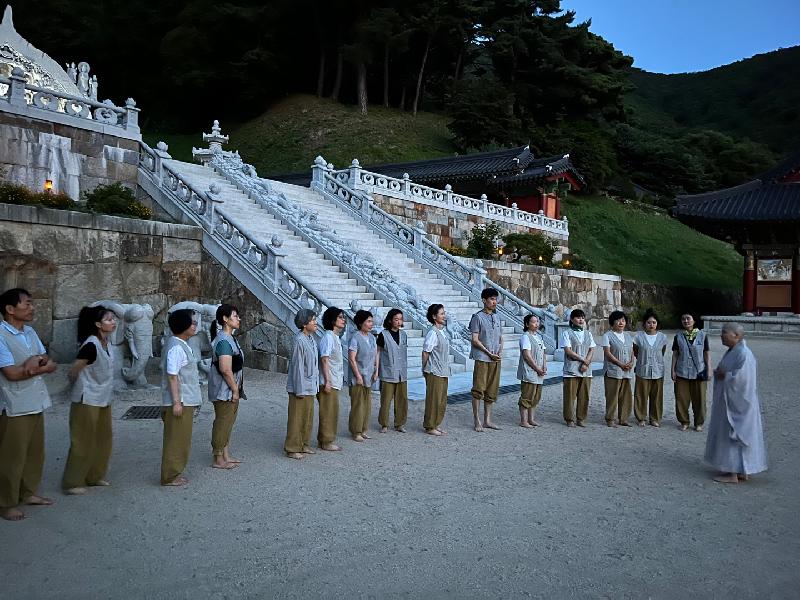
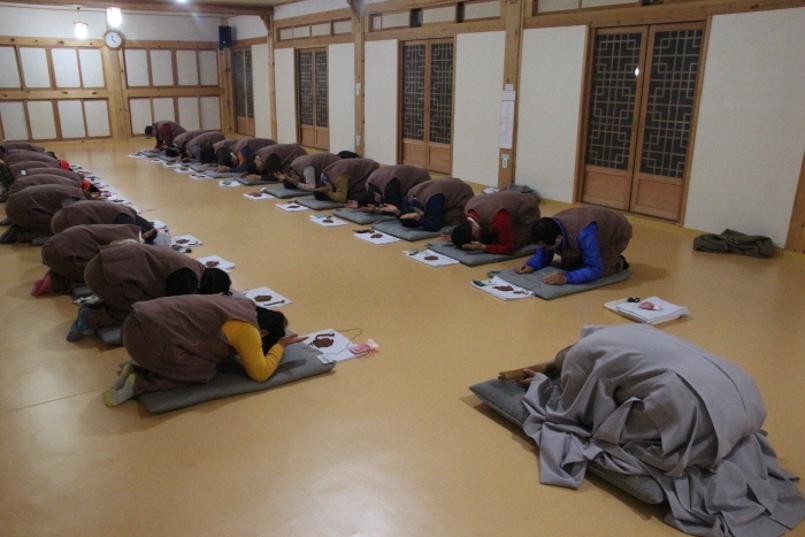
This program is a time to cultivate oneself within the temple's daily life, steady a wavering mind, and strengthen the inner self.By consistently practicing activities such as walking meditation, 108 prostrations, monastery cleaning, and seated meditation, the mind becomes calm and ou begin to recognize which activities bring you ease and support your practice..This mental composure increases concentration, allowing you to deeply immerse yourself in daily life, and leads to time for self-reflection to organize your attitude and direction in life. Through the project you will gain the ability to see your life anew.
3. Rest in nature and a healthy lifestyle
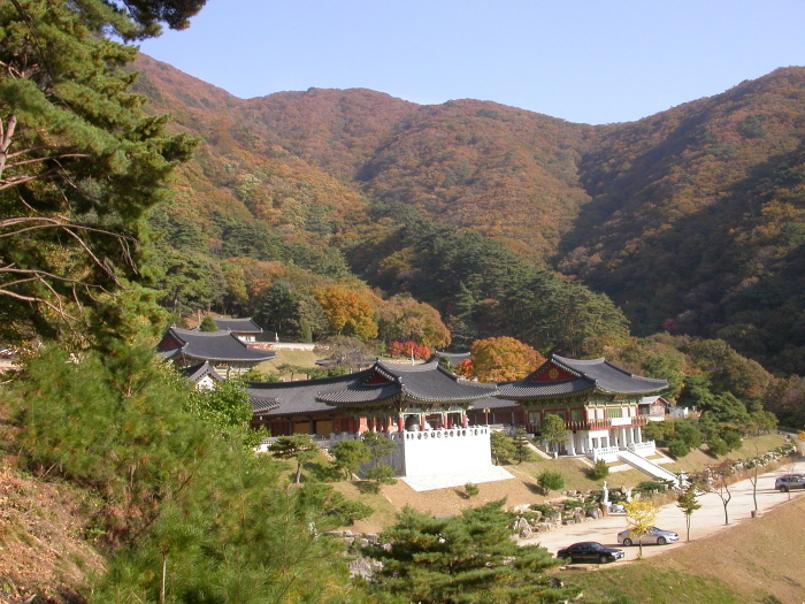
Chukseosa, located deep in the forests of Munsusan, is a space that allows you to fully rest away from the noise and busy life of the city.You can feel your body and mind healthily recover through fresh air, wholesome temple food, and a regular routine.Also, the time spent sharing tea and conversation within the temple's beautiful natural surroundings becomes more than simple rest—it becomes a time to learn methods of recovery. Put aside impatience, breathe slowly, and build the strength to take on new challenges again.
Capturing the growth journeys
of our participants.
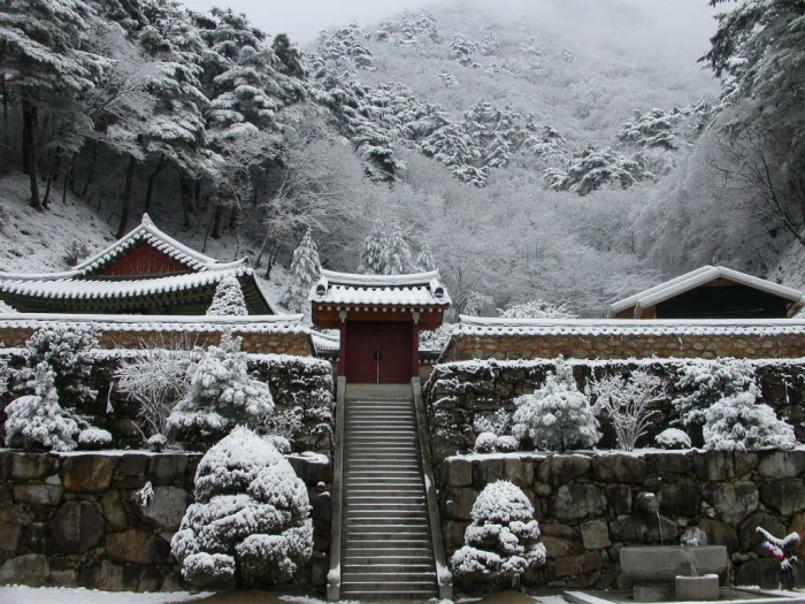
This is a project for practicing and tending the mind at a quiet temple in Bonghwa, Gyeongsangbuk-do. Take walks along forest paths, clean the temple, converse with the monks, cultivate yourself, and enjoy leisurely time admiring the beautiful temple and nature.The troubled and weary mind will disappear, and you will gain a refreshed and relaxed body and mind.
Main activities of the project
Sample project schedule
This project takes place at Chukseosa Temple, which preserves Bonghwa's beautiful scenery and long-standing history, where participants learn Seon and meditation and cultivate themselves.
Day 1 (Orientation)
| Time | Schedule |
| 15:00 ~ 16:30 | Room assignment and rest |
| 16:30 ~ 17:30 | Temple orientation and learning temple etiquette |
| 17:30 ~ 19:00 | Dinner |
| 19:00 ~ 20:00 | Tea conversation with a monk |
| 20:00 ~ 03:00 | Rest and sleep |
Example daily schedule
| Time | Schedule |
| 03:00 ~ 03:20 | Wake up |
| 03:20 ~ 04:30 | Dawn chanting and 108 prostrations |
| 04:30 ~ 05:30 | Prayer, meditation, or Zen practice |
| 05:30 ~ 07:30 | Help with chores and morning meal |
| 07:30 ~ 10:30 | Rest and self-directed practice |
| 10:30 ~ 13:30 | Help with chores and lunch |
| 13:30 ~ 16:30 | Rest and self-directed practice |
| 17:00 ~ 18:30 | Help with chores and dinner |
| 19:00 ~ 20:30 | Prayer, meditation, or Zen practice |
| 20:30 ~ 03:00 | Bedtime |
* The above schedule is an example to help understand the activities. The program may vary depending on local conditions.
* For those new to meditation or Zen practice, we recommend the 3-night, 4-day program.

Additional information
- The detailed schedule may change depending on wake-up times and local conditions.
- Please observe temple etiquette.
- When you see a monk, greet by placing your palms together or with a small bow.
- Please avoid making loud noises during your stay.
- Alcohol, smoking, and bringing outside food into the temple are prohibited.
- Please turn off or set your phone to silent while in the temple.
- Please do not impose your religion or personal habits on others.
- Please observe the meal times.
Participant Testimonials
|
It was very informative and relaxing. I saw the possibility of finding peace of mind. -Im *hyun- |
|
Being away from the city and able to stay in nature made my body and mind feel comfortable and at ease. Everyone at the temple was kind and treated me warmly, so I felt very comfortable. Through the service and the 108 bows, I had a meaningful time reflecting on myself. Thank you. May everyone attain enlightenment. -Lee *yeon- |
|
While experiencing the calm of the mind through meditation, many thoughts arose and I realized that I usually have many thoughts; I also learned that it is necessary and important to concentrate on whatever I do in daily life. I sincerely thank everyone who prepared and guided the program. -Yu *jung- |
|
Although this was my first time participating as a young Buddhist, I felt deep gratitude for the monk's clear and pure teachings, and his willingness to teach even one more thing gave me an opportunity to reconsider Buddhism. I pray that the seed in the hearts of everyone who participated will grow and bear fruit, bringing good results. -Jung *sun- |
|
I gained true meditation and a sense of letting go; I will not forget the mountain temple’s clear morning air, the bell-ringing ceremony, and the monk's good teachings and kindness. -Kim *kyung- |

Some inclusions are available when options are added or selected.
Detailed Support Information

General items to bring (participants)
- Personal toiletries (shampoo, conditioner, body wash), towel, toothbrush, spare clothes, comfortable shoes, socks, personal water bottle
*For the winter season, we recommend bringing outerwear, thermal underwear, a lap blanket, and other cold-weather items.
*Please bring any other personal items yourself.
Items not included
.png)
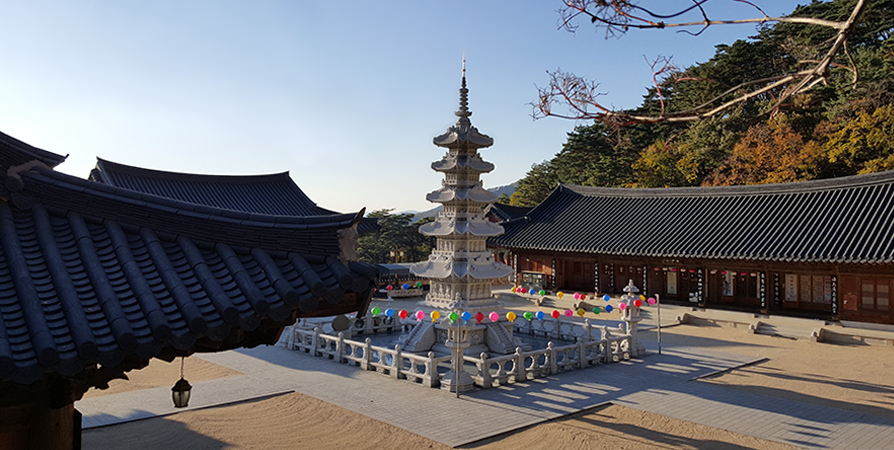
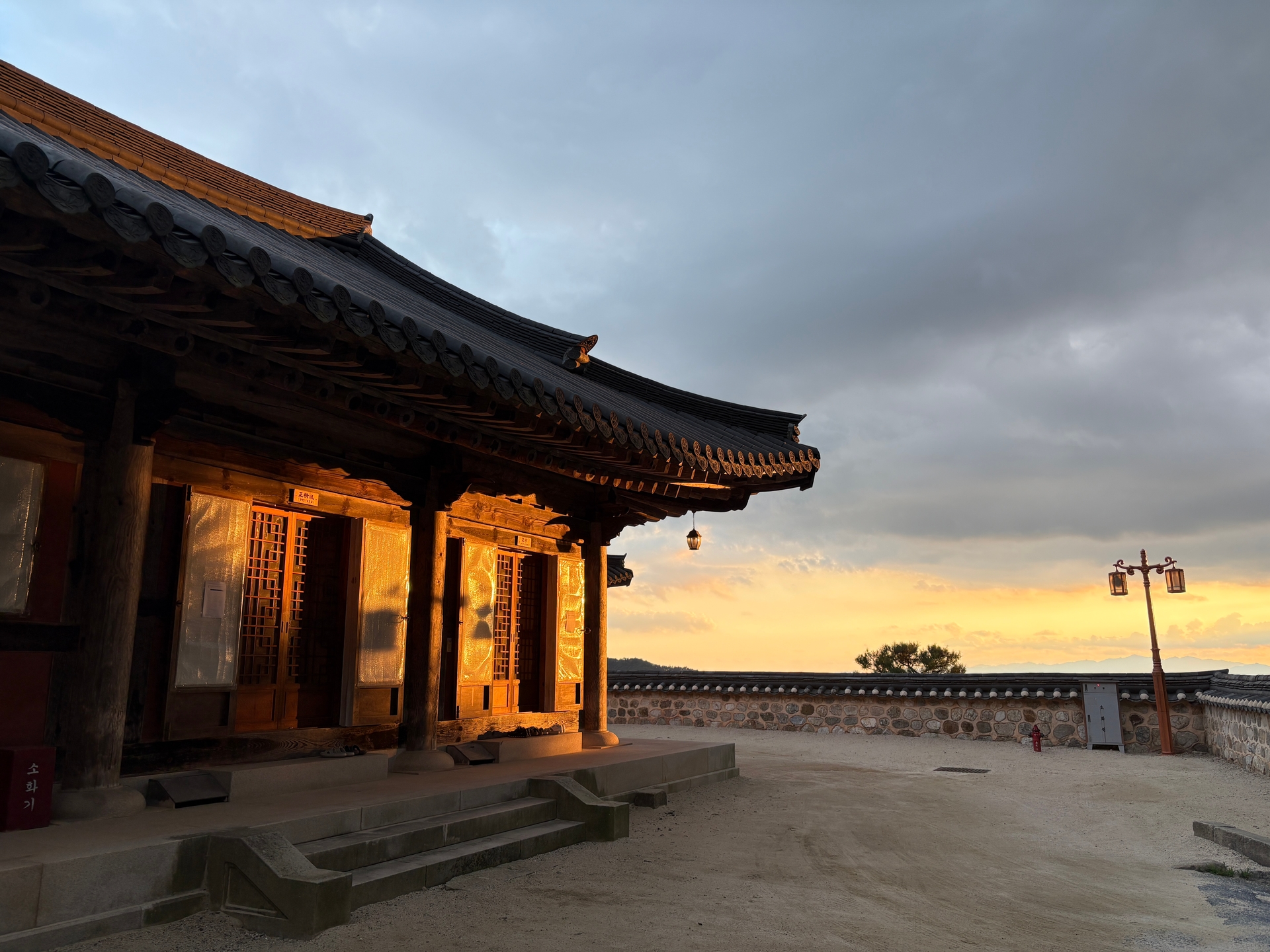
Chukseosa, where the project is taking place, is located on the slopes of Munsusan and its name means 'the temple where eagles live.' In Buddhism, the eagle symbolizes wisdom and represents a bodhisattva of great wisdom. It was founded by the monk Uisang in the 13th year of King Munmu of Silla. In the late Joseon period, following the Eulsa and Jeongmi Treaties, volunteer militias rose in armed uprisings and used this site as an operational base in their anti-Japanese struggle; the Japanese military, in an operation to suppress the militias, burned the temple down, leaving only the Daeungjeon (Main Buddha Hall). From 1996, civil engineering and stonework reconstruction began, restoring the temple to its present appearance. At the center of the temple stands a stupa enshrining 112 authentic relics of the Buddha, enhancing the temple's spiritual atmosphere. The 'Amitabha Triad' was crafted as a unique three-dimensional stone Buddha and has become a place of prayer for many Buddhist devotees.

You will stay in a hanok (traditional Korean house) lodging within the temple that can accommodate 2–4 people. The lodging features ondol (heated-floor) rooms, and mattresses and blankets are provided. Basic facilities are available; toilets and showers are shared, and hot water is readily available so you can use them without inconvenience.
Region:North Gyeongsang Province, Bonghwa
Bonghwa County in North Gyeongsang Province is a healing travel destination where pristine nature and tranquil mountain‑village scenery blend. Located on the slopes of the Baekdudaegan Mountain Range, it features refreshing air and peaceful forest paths, making it an ideal place to escape the busy routine and find rest and relaxation.
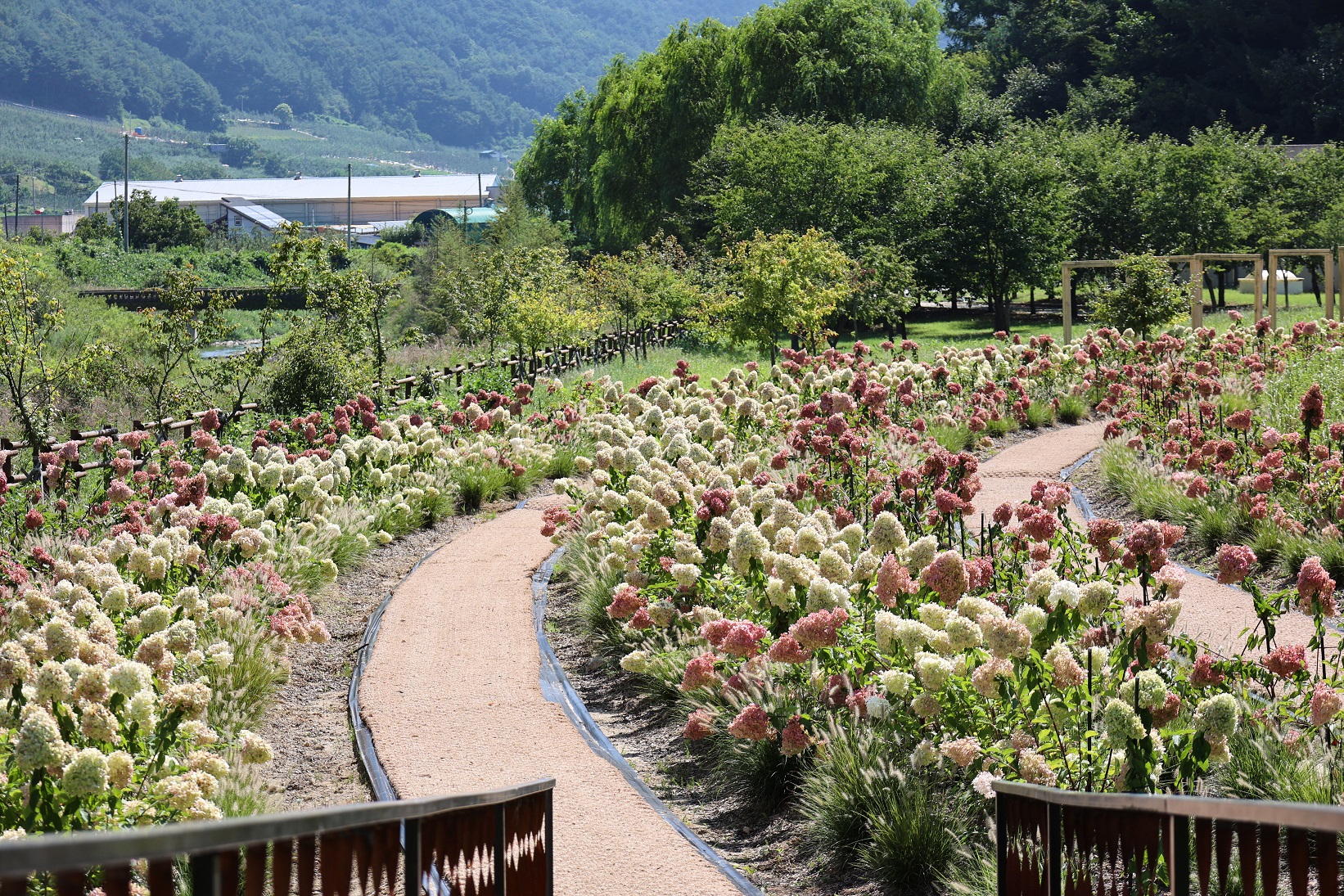
1. National Baekdudaegan Arboretum
This national facility, established for forest conservation and education, consists of themed gardens, outdoor exhibition areas, and biological resource research zones. A variety of alpine plants, medicinal plants, and wildflowers are on display year‑round, making it a great place to learn about nature while taking a walk. The arboretum's architecture and landscaping are outstanding, and its forest interpretation programs are suitable for family visitors.

2. Cheongryangsan Provincial Park
Cheongryangsan, a notable mountain representing Bonghwa County, is famous for its beautiful hiking trails, rocky cliffs, distinctive rock formations, and the Sky Bridge viewpoint. At the summit sits the serene Cheongryang Temple, and attractions such as Eungjinjeon, Kimsaeng Cave, and Seonyugyo Bridge let visitors enjoy both scenery and cultural sites. With routes ranging from one hour to nine hours, it suits both beginners and experienced hikers.
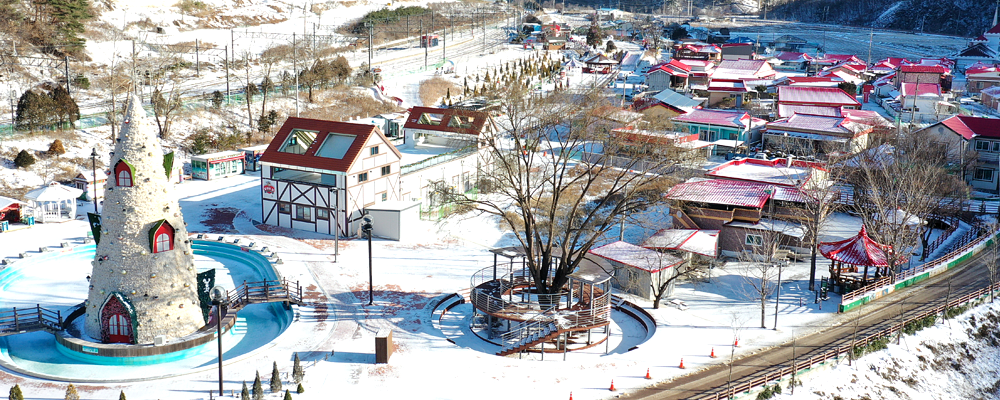
3. Buncheon Santa Village
Buncheon Santa Village is a 'Santa-themed' village that dazzles with a winter festival at the end of the year. The V-Train to this village is a sightseeing train that slowly travels through the Nakdong River gorge, offering striking mountain-and-river scenery. There are various attractions—such as VR experiences and a mini train—providing hands-on activities for both children and adults.
■ The cost of this project isAt the top of this pageYou can easily check the detailed amounts by duration and options there.

Eligibility and Qualifications
- Adults of any gender
- People who feel mentally distressed or troubled
- People who are exhausted and distressed by interpersonal relationships
- People interested in Buddhist culture or temple life
- People who want to find peace of mind in a quiet environment
- People who want to overcome difficult situations and change their lives



 Home
Home

Take a step out of your comfort zone.
Challenge yourself for your own sake.
Feel complete freedom.
Be happy.





 Please select a start date.