Projects
|
FAQ
|
Announcements



#Discovered the joy of unplanned travel #New experiences within simple daily life #Bittersweetness; a time that could not be exchanged for anything

Seeing the dogs I walked and the modest places of Tokushima, I felt regretful and couldn''t easily tear myself away. I was sad and found it hard to leave. The fun I felt during an unplanned trip andthe sense of mystery and the experiences were moments I wouldn''t trade for anything. Humble everyday wild life — volunteer work caring for abandoned animals in Tokushima, Japan. Lee Yeonjin, gap-year goer (gapper) (25, university student) / 3 weeks of gap year. |
# Note: I set off for Tokushima with the mindset that I could endure it.

When I first arrived in Japan for the volunteer work, I was half excited and half worried about what three weeks awaited me. As soon as I stepped out of the airport, the overwhelming humidity and heat were very tough, but still...Note: I set off for Tokushima with the mindset that I could endure it.
I arrived late at 10 PM.There were no Koreans to be seen in Tokushima at all, so I waited quietly for the volunteer coordinator to arrive.
* For Lee Yeonjin, who had a strong desire for new experiences and various stimuli, personalized one-on-one missions for new challenges and perspectives were provided daily, and a gap-year notebook to reflect and make plans was also provided.
# Everyone was kind, so it was easy to make friends.

The volunteer coordinator''s first impression was very kind and cheerful. After arriving at the lodging, I waited in the first-floor lobby, where people from various countries were gathered, happily talking. Since there were people who couldn''t speak Korean at all, we had the difficulty of having to use English or Japanese, but...Everyone was so friendly that it was easy to get close, and I was able to experience many different cultures.
Then the coordinator (Hitoshi) arrived and guided us to the room where we would stay for three weeks.
# I also realized there was a lot to learn.

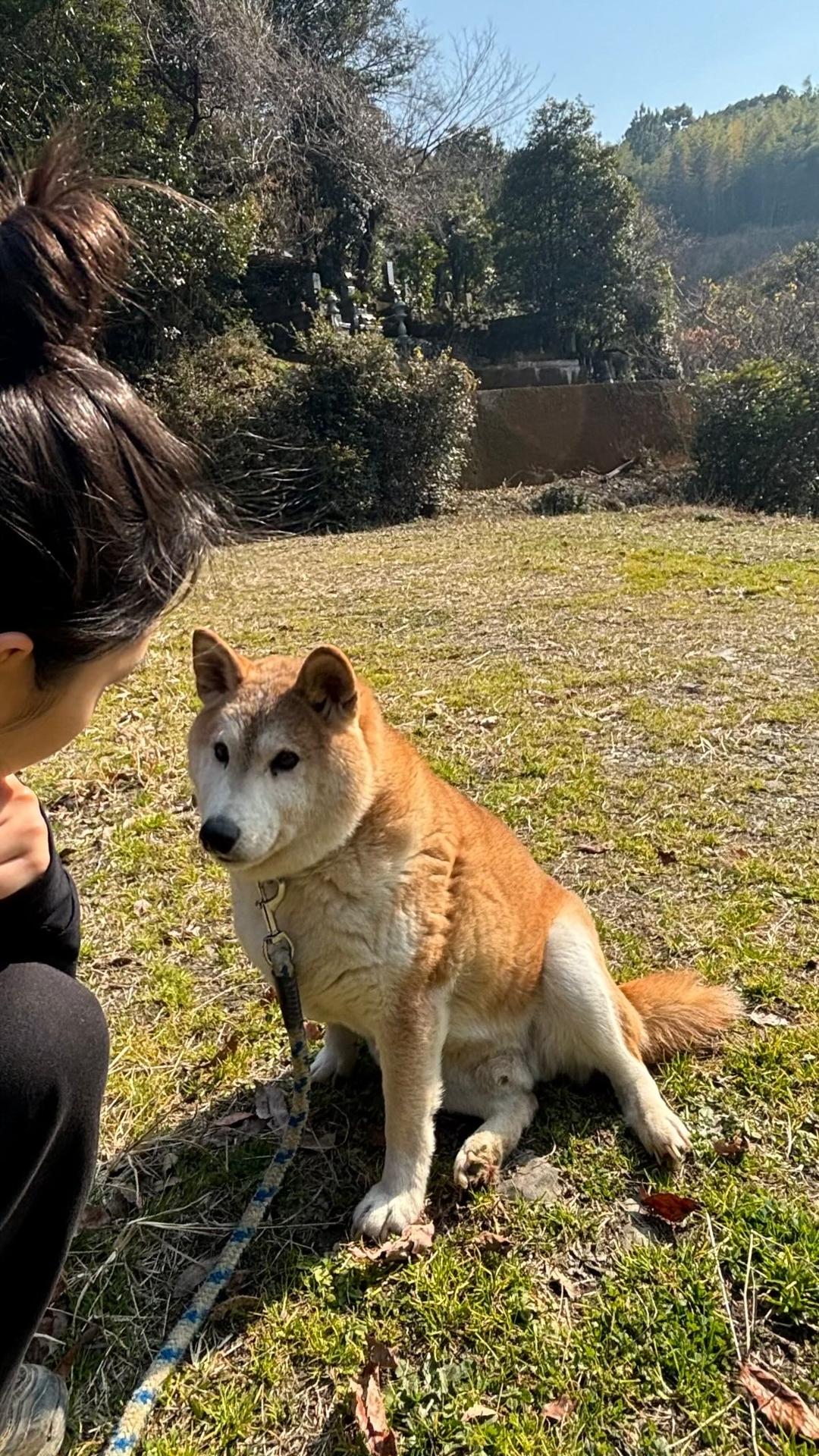
Some of the dogs, perhaps having been abused by people, would get frightened and run away when approached,while others, since it hadn''t been long since they had human contact, would happily greet people whenever someone came, and seeing this made me reflect on many things.
What began as sympathy and pity later changed into familiarity and joy.I made walking more enjoyable by memorizing the dogs'' names; we couldn''t speak the same language, but I would occasionally talk to them and sit in the shade spending time together.
I gained a lot from the volunteers I met locally and realized there was much to learn.
Also, not only during volunteering but in the evenings after work oron weekends I talked with other foreign friends, learned about their cultures, and learned ways to spend my time in Tokushima more enjoyably and meaningfully, making the three weeks more rewarding.
The local coordinator lent me a bicycle and guided me to a festival, creating new experiences at the festival andencountering local foods and culture, making experiences I wouldn''t normally have on a typical trip to Japan.
# I couldn''t easily tear myself away.

One day I happened to meet a Korean living in Tokushima and, thanks to them, I was given a car ride to places I couldn''t reach by bicycle to go sightseeing; at the beach they provided a jet ski and delicious food.
I was also glad to meet you in Tokushima, a region where we couldn’t find any Koreans at all.What had seemed like a sleepy countryside ended up revealing hidden delights; I found small joys and experiences that other travelers rarely get to have, making me look forward to not only the volunteering but also my days off.
When I first arrived at the volunteer site, I was just waiting for the day it would end, but when that day actually approached...the foreign friends I stayed with there, the local coordinator Hitoshi and the other people at the volunteer site, and...seeing the dogs I used to walk and the simple spots around Tokushima, I felt regretful and found it hard to leave.
The unplanned trip — the fun, the sense of wonder, and the experiences I had during it — were things I wouldn’t trade for anything.
# My Gap Year TIP

- Language
It helps to know basic phrases in the local language (greetings or questions useful for daily life).
- Accommodation
In summer it can be hot, so bring items that will help you stay cool.
- Meals
Because you pay for all your meals yourself, it’s good to use supermarket bento boxes or bring instant food from home.
- Things to Bring
Make sure to wear tights, arm sleeves, gloves, etc. There is a lot of grass around, so it’s important to keep your body as covered as possible.
My gap year is
Experience ★★★★☆
Learning ★★★☆☆
Environment ★★☆☆☆
Safety ★★☆☆☆
Leisure ★★★★☆

Seeing the dogs I walked and the modest places of Tokushima, I felt regretful and couldn''t easily tear myself away. I was sad and found it hard to leave. The fun I felt during an unplanned trip andthe sense of mystery and the experiences were moments I wouldn''t trade for anything. Humble everyday wild life — volunteer work caring for abandoned animals in Tokushima, Japan. Lee Yeonjin, gap-year goer (gapper) (25, university student) / 3 weeks of gap year. |
# Note: I set off for Tokushima with the mindset that I could endure it.
When I first arrived in Japan for the volunteer work, I was half excited and half worried about what three weeks awaited me. As soon as I stepped out of the airport, the overwhelming humidity and heat were very tough, but still...Note: I set off for Tokushima with the mindset that I could endure it.
I arrived late at 10 PM.There were no Koreans to be seen in Tokushima at all, so I waited quietly for the volunteer coordinator to arrive.
* For Lee Yeonjin, who had a strong desire for new experiences and various stimuli, personalized one-on-one missions for new challenges and perspectives were provided daily, and a gap-year notebook to reflect and make plans was also provided.
# Everyone was kind, so it was easy to make friends.
The volunteer coordinator''s first impression was very kind and cheerful. After arriving at the lodging, I waited in the first-floor lobby, where people from various countries were gathered, happily talking. Since there were people who couldn''t speak Korean at all, we had the difficulty of having to use English or Japanese, but...Everyone was so friendly that it was easy to get close, and I was able to experience many different cultures.
Then the coordinator (Hitoshi) arrived and guided us to the room where we would stay for three weeks.
# I also realized there was a lot to learn.
Some of the dogs, perhaps having been abused by people, would get frightened and run away when approached,while others, since it hadn''t been long since they had human contact, would happily greet people whenever someone came, and seeing this made me reflect on many things.
What began as sympathy and pity later changed into familiarity and joy.I made walking more enjoyable by memorizing the dogs'' names; we couldn''t speak the same language, but I would occasionally talk to them and sit in the shade spending time together.
I gained a lot from the volunteers I met locally and realized there was much to learn.
Also, not only during volunteering but in the evenings after work oron weekends I talked with other foreign friends, learned about their cultures, and learned ways to spend my time in Tokushima more enjoyably and meaningfully, making the three weeks more rewarding.
The local coordinator lent me a bicycle and guided me to a festival, creating new experiences at the festival andencountering local foods and culture, making experiences I wouldn''t normally have on a typical trip to Japan.
# I couldn''t easily tear myself away.
One day I happened to meet a Korean living in Tokushima and, thanks to them, I was given a car ride to places I couldn''t reach by bicycle to go sightseeing; at the beach they provided a jet ski and delicious food.
I was also glad to meet you in Tokushima, a region where we couldn’t find any Koreans at all.What had seemed like a sleepy countryside ended up revealing hidden delights; I found small joys and experiences that other travelers rarely get to have, making me look forward to not only the volunteering but also my days off.
When I first arrived at the volunteer site, I was just waiting for the day it would end, but when that day actually approached...the foreign friends I stayed with there, the local coordinator Hitoshi and the other people at the volunteer site, and...seeing the dogs I used to walk and the simple spots around Tokushima, I felt regretful and found it hard to leave.
The unplanned trip — the fun, the sense of wonder, and the experiences I had during it — were things I wouldn’t trade for anything.
# My Gap Year TIP
- Language
It helps to know basic phrases in the local language (greetings or questions useful for daily life).
- Accommodation
In summer it can be hot, so bring items that will help you stay cool.
- Meals
Because you pay for all your meals yourself, it’s good to use supermarket bento boxes or bring instant food from home.
- Things to Bring
Make sure to wear tights, arm sleeves, gloves, etc. There is a lot of grass around, so it’s important to keep your body as covered as possible.
My gap year is
Experience ★★★★☆
Learning ★★★☆☆
Environment ★★☆☆☆
Safety ★★☆☆☆
Leisure ★★★★☆
Capturing the growth journeys
of our participants.

 Home
Home


Take a step out of your comfort zone.
Challenge yourself for your own sake.
Feel complete freedom.
Be happy.