Projects
|
FAQ
|
Announcements



#Became independent and matured without parental support #Bonding with rescue dogs, new connections #Satisfaction, pride, affection for Tokushima

I remember the appearances and personalities of the stray dogs I walked, but I''m disappointed that I can''t remember the dogs'' names as I write this. ㅠㅠ Simple everyday wild life: Volunteer work caring for abandoned animals in Tokushima, Japan Eunhee Kim, gap-year participant (22, university student) / 3-week gap year |
# I first learned about gap year through a senior from the same university.

Hello — I first learned about gap year through a senior from my university. That''s how I found out about the Tokushima abandoned-animal volunteer program, and I applied together with my cousin and two university seniors. After an interview, I was finally accepted and began preparing for the volunteer work in June.
I planned three weeks of volunteering and one week of travel, so I was going to stay in Japan for 28 days and was quite worried. The project I joined did not provide meals, so to reduce food costs in Japan with my group, we brought lots of ramen, kimchi, ham, and instant meals.Before departure, we were briefed on basic things like the volunteer work and accommodation, so I went well mentally prepared.
* For Eunhee Kim, who wanted new challenges and experiences, a personalized 1:1 daily mission for self-reflection and new experiences/challenges was provided, and a gap-year notebook to reflect and plan was also given.
# I''m disappointed that I can''t remember the dogs'' names as I write this ㅠㅠ

When volunteering starts, we first go up to the top floor to feed the dogs, and dogs that finish eating go for a 20-minute walk. While they are out, staff clean the dog houses. Each person walks about 15 dogs per day, and more experienced volunteers also cleaned the dog houses. After finishing the top floor, which is the 4th floor at the mountain center, we move to the 3rd floor; after finishing the 3rd floor we have lunch. There was no fixed time—once everyone finished eating, we resumed work. After completing the 2.5th and 2nd floors, we waited until a staff member picked us up by car and then returned to the lodging.
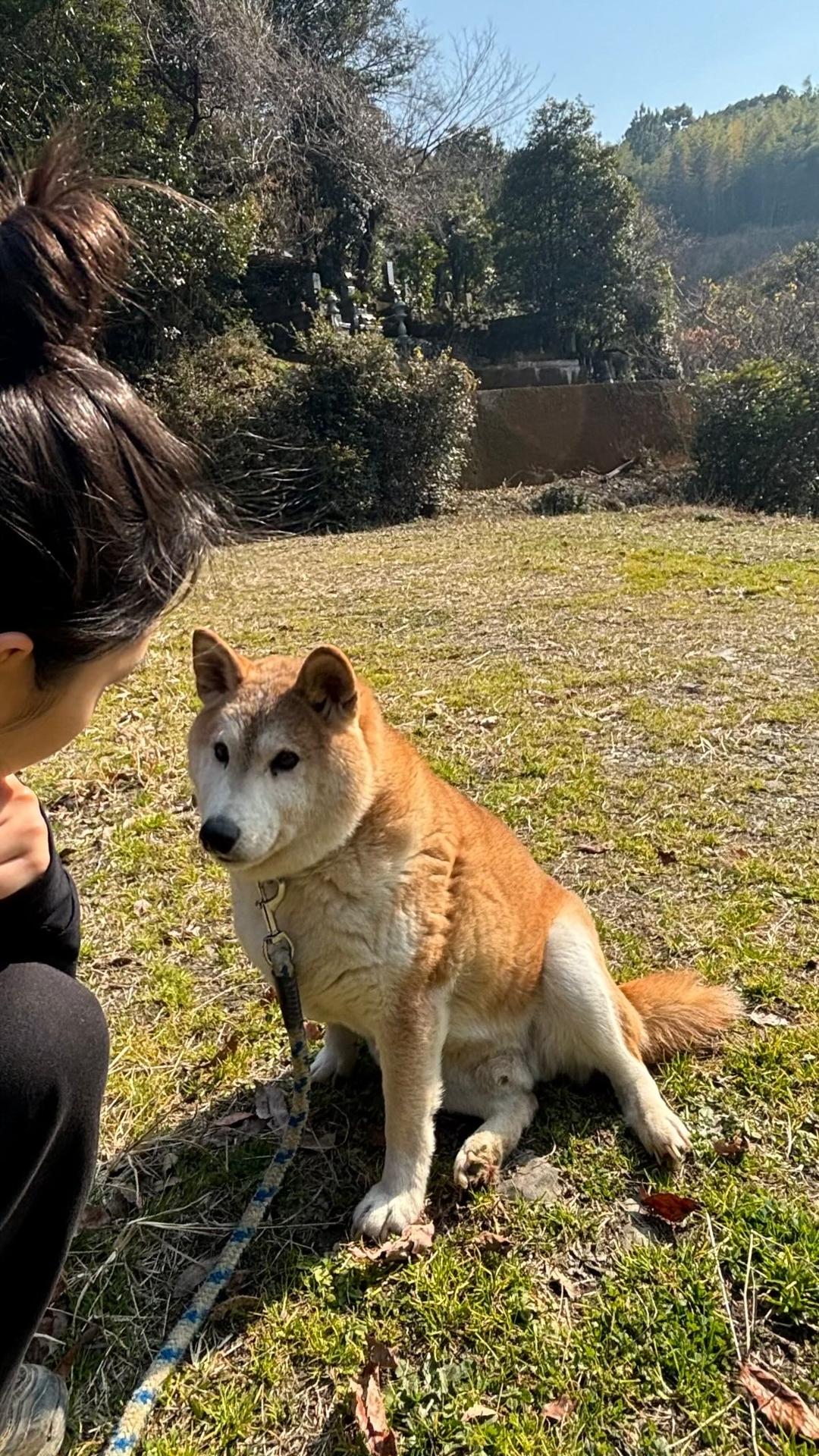
As I did the volunteer work day by day, I picked up tips and was able to take breaks and spend my time more energetically.Also, unlike the first day, the stray dogs stood out to me, and while walking them I talked to the dogs. The center had about 130 stray dogs, and being strays, most of them were larger rather than small dogs.
Among them were dogs that were friendly to people, but there were also ones that were very scared and fearful.Each dog had a different personality—quiet, lively, or timid—and as someone who has dogs at home, I felt very sorry for them. It was heartbreaking to think how such pretty and good dogs ended up in an animal shelter.
There was the friend on the 4th floor who always drooled and wagged his tail excitedly, Billy on the 3rd floor who was really big, and on the 2nd floor two friends who were small and resembled Jindo dogs,I remember many other friends as well.The local coordinator said one dog was old and didn''t like going on long walks; at first he wouldn''t move even 10 meters, but on some days he went on long walks.
I remember the appearances and personalities of the stray dogs I walked, but I''m disappointed that I can''t remember their names as I write this. ㅠㅠ
# My heart fluttered seeing that.

On my days off — Friday, Saturday, and Sunday — I could fully enjoy leisure. The lodging I used was for volunteers who water flowers called ''Hanaroad'', so I wasn''t assigned a bicycle,but a Turkish volunteer I had become close with repaired an unused bicycle for me, so I could ride it on my days off.
Thus I was able to enjoy many things: the Yoshinogawa festival, conveyor-belt sushi, Komatsu Beach, the Awa Odori Museum, Bizan ropeway/cable car, Tokushima ramen, a cruise tour, and the Awa Odori Festival, among others.
What I remember most was discovering the Awa Odori festival practice when I went to look for the source of the singing I heard while walking through Tokushima city on evenings after volunteering on weekdays.The villagers participating in the festival dancing to the music looked so cool, and watching them made my heart flutter.
# I was proud of myself and felt really gratified that I adapted well without my parents'' help.

Since it was the longest I had ever stayed abroad, Tokushima felt new to me. The dirty and very hot lodging and volunteering under the blazing sun caused heat rashes to appear and spread across my body day by day, but I overcame them.I was proud of myself and really pleased that I adapted and lived well without my parents'' help.
It was the first time I felt such hardship and heat, but as I adapted day by day and experienced a new Tokushima, the three weeks that I wondered when would end passed very quickly and came to an end. Also The staff at the local organization were some of the people I''ve met who truly love animals and sacrifice for them; even after working all day they were always cheerful and considerate.
# I was surprised that I felt sad about parting with the rescue dogs I had been seeing for 12 days.

I was surprised that I felt sad about saying goodbye to the rescue dogs I''d been with for 12 days,and I was very sorry to leave Tokushima, where I''d grown attached over the three weeks.
This three-week volunteer work with abandoned animals in Tokushima was a new challenge and a new experience for me.Also, living with foreigners made me think a lot about my English skills, and I resolved to study English diligently. T_T My colleagues and I, having completed the schedule successfully, felt proud and fulfilled.If I have the chance later, I definitely want to visit Tokushima again.
# My gap year tips

- Language
Fluent English is not necessary. If needed, you can use Papago. Basic English, body language, and facial expressions were enough to read the atmosphere and communicate. Even if you can''t speak well, you can understand to some extent if you can listen. The local staff also explain things clearly several times.
- Accommodation
The original accommodation has air conditioning, but the additional housing provided when there are many volunteers does not. It''s probably best not to expect cooling in summer or heating in winter. When I was first assigned, I consoled myself with the fact that the extra lodging was close to town despite having no AC, but after using it I really wanted to move to the original accommodation. It was extremely hot, but since it was volunteer work I thought of it as an experience.
The extra lodging has air conditioning only on the first floor and includes basic tableware. Each participant''s room may or may not have dishware depending on the room. Fortunately, the lodging I used had one induction stove, four pairs of chopsticks, and a few plates, so aside from rice I could manage in my room. The extra lodging does not provide shampoo, conditioner, laundry detergent, or dish soap. Although I went in midsummer, there was a very thick winter comforter.
- Meals
Because my group and I had to take care of our own meals, to save money while in Japan, from Koreawe each brought a lot—ramen, a little rice, side dishes, ham, kimchi, instant meals, etc.—enough that we paid extra excess baggage fees. Thanks to that, we were able to greatly reduce food expenses.
Also, near the extra lodging there''s a supermarket called Kyoei, and after 9:30 pm bentos and bread go on sale, so it''s good to buy lunch for the next day at that time.
- Things to bring
Since you may have to use the extra lodging, it''s good to bring basic shampoo, conditioner, body wash, and detergent.
In summer it''s very hot and there''s little shade, so a hat, a towel to hang around your neck to wipe sweat, and a water bottle are essential. The center has gloves, but it''s good to bring personal gloves.
My gap year is
Experience★★★★☆
It was harsh and difficult, but an experience you can only have at this time.
Learning★★★☆☆
Environment★☆☆☆☆
I expected the environment not to be good, but it was worse than I thought.
Safety★★★☆☆
The volunteer center is in the mountains and the rescued dogs are all grown and strong, so on rocky slopes and downhill paths there is a risk of falling or spraining your ankle. Other than that, there are no problems.
Leisure★★★★☆
Because Friday, Saturday, and Sunday are days off, I can relax as much as I want.

I remember the appearances and personalities of the stray dogs I walked, but I''m disappointed that I can''t remember the dogs'' names as I write this. ㅠㅠ Simple everyday wild life: Volunteer work caring for abandoned animals in Tokushima, Japan Eunhee Kim, gap-year participant (22, university student) / 3-week gap year |
# I first learned about gap year through a senior from the same university.
Hello — I first learned about gap year through a senior from my university. That''s how I found out about the Tokushima abandoned-animal volunteer program, and I applied together with my cousin and two university seniors. After an interview, I was finally accepted and began preparing for the volunteer work in June.
I planned three weeks of volunteering and one week of travel, so I was going to stay in Japan for 28 days and was quite worried. The project I joined did not provide meals, so to reduce food costs in Japan with my group, we brought lots of ramen, kimchi, ham, and instant meals.Before departure, we were briefed on basic things like the volunteer work and accommodation, so I went well mentally prepared.
* For Eunhee Kim, who wanted new challenges and experiences, a personalized 1:1 daily mission for self-reflection and new experiences/challenges was provided, and a gap-year notebook to reflect and plan was also given.
# I''m disappointed that I can''t remember the dogs'' names as I write this ㅠㅠ
When volunteering starts, we first go up to the top floor to feed the dogs, and dogs that finish eating go for a 20-minute walk. While they are out, staff clean the dog houses. Each person walks about 15 dogs per day, and more experienced volunteers also cleaned the dog houses. After finishing the top floor, which is the 4th floor at the mountain center, we move to the 3rd floor; after finishing the 3rd floor we have lunch. There was no fixed time—once everyone finished eating, we resumed work. After completing the 2.5th and 2nd floors, we waited until a staff member picked us up by car and then returned to the lodging.
As I did the volunteer work day by day, I picked up tips and was able to take breaks and spend my time more energetically.Also, unlike the first day, the stray dogs stood out to me, and while walking them I talked to the dogs. The center had about 130 stray dogs, and being strays, most of them were larger rather than small dogs.
Among them were dogs that were friendly to people, but there were also ones that were very scared and fearful.Each dog had a different personality—quiet, lively, or timid—and as someone who has dogs at home, I felt very sorry for them. It was heartbreaking to think how such pretty and good dogs ended up in an animal shelter.
There was the friend on the 4th floor who always drooled and wagged his tail excitedly, Billy on the 3rd floor who was really big, and on the 2nd floor two friends who were small and resembled Jindo dogs,I remember many other friends as well.The local coordinator said one dog was old and didn''t like going on long walks; at first he wouldn''t move even 10 meters, but on some days he went on long walks.
I remember the appearances and personalities of the stray dogs I walked, but I''m disappointed that I can''t remember their names as I write this. ㅠㅠ
# My heart fluttered seeing that.
On my days off — Friday, Saturday, and Sunday — I could fully enjoy leisure. The lodging I used was for volunteers who water flowers called ''Hanaroad'', so I wasn''t assigned a bicycle,but a Turkish volunteer I had become close with repaired an unused bicycle for me, so I could ride it on my days off.
Thus I was able to enjoy many things: the Yoshinogawa festival, conveyor-belt sushi, Komatsu Beach, the Awa Odori Museum, Bizan ropeway/cable car, Tokushima ramen, a cruise tour, and the Awa Odori Festival, among others.
What I remember most was discovering the Awa Odori festival practice when I went to look for the source of the singing I heard while walking through Tokushima city on evenings after volunteering on weekdays.The villagers participating in the festival dancing to the music looked so cool, and watching them made my heart flutter.
# I was proud of myself and felt really gratified that I adapted well without my parents'' help.
Since it was the longest I had ever stayed abroad, Tokushima felt new to me. The dirty and very hot lodging and volunteering under the blazing sun caused heat rashes to appear and spread across my body day by day, but I overcame them.I was proud of myself and really pleased that I adapted and lived well without my parents'' help.
It was the first time I felt such hardship and heat, but as I adapted day by day and experienced a new Tokushima, the three weeks that I wondered when would end passed very quickly and came to an end. Also The staff at the local organization were some of the people I''ve met who truly love animals and sacrifice for them; even after working all day they were always cheerful and considerate.
# I was surprised that I felt sad about parting with the rescue dogs I had been seeing for 12 days.
I was surprised that I felt sad about saying goodbye to the rescue dogs I''d been with for 12 days,and I was very sorry to leave Tokushima, where I''d grown attached over the three weeks.
This three-week volunteer work with abandoned animals in Tokushima was a new challenge and a new experience for me.Also, living with foreigners made me think a lot about my English skills, and I resolved to study English diligently. T_T My colleagues and I, having completed the schedule successfully, felt proud and fulfilled.If I have the chance later, I definitely want to visit Tokushima again.
# My gap year tips
- Language
Fluent English is not necessary. If needed, you can use Papago. Basic English, body language, and facial expressions were enough to read the atmosphere and communicate. Even if you can''t speak well, you can understand to some extent if you can listen. The local staff also explain things clearly several times.
- Accommodation
The original accommodation has air conditioning, but the additional housing provided when there are many volunteers does not. It''s probably best not to expect cooling in summer or heating in winter. When I was first assigned, I consoled myself with the fact that the extra lodging was close to town despite having no AC, but after using it I really wanted to move to the original accommodation. It was extremely hot, but since it was volunteer work I thought of it as an experience.
The extra lodging has air conditioning only on the first floor and includes basic tableware. Each participant''s room may or may not have dishware depending on the room. Fortunately, the lodging I used had one induction stove, four pairs of chopsticks, and a few plates, so aside from rice I could manage in my room. The extra lodging does not provide shampoo, conditioner, laundry detergent, or dish soap. Although I went in midsummer, there was a very thick winter comforter.
- Meals
Because my group and I had to take care of our own meals, to save money while in Japan, from Koreawe each brought a lot—ramen, a little rice, side dishes, ham, kimchi, instant meals, etc.—enough that we paid extra excess baggage fees. Thanks to that, we were able to greatly reduce food expenses.
Also, near the extra lodging there''s a supermarket called Kyoei, and after 9:30 pm bentos and bread go on sale, so it''s good to buy lunch for the next day at that time.
- Things to bring
Since you may have to use the extra lodging, it''s good to bring basic shampoo, conditioner, body wash, and detergent.
In summer it''s very hot and there''s little shade, so a hat, a towel to hang around your neck to wipe sweat, and a water bottle are essential. The center has gloves, but it''s good to bring personal gloves.
My gap year is
Experience★★★★☆
It was harsh and difficult, but an experience you can only have at this time.
Learning★★★☆☆
Environment★☆☆☆☆
I expected the environment not to be good, but it was worse than I thought.
Safety★★★☆☆
The volunteer center is in the mountains and the rescued dogs are all grown and strong, so on rocky slopes and downhill paths there is a risk of falling or spraining your ankle. Other than that, there are no problems.
Leisure★★★★☆
Because Friday, Saturday, and Sunday are days off, I can relax as much as I want.
Capturing the growth journeys
of our participants.

 Home
Home


Take a step out of your comfort zone.
Challenge yourself for your own sake.
Feel complete freedom.
Be happy.