Projects
|
FAQ
|
Announcements



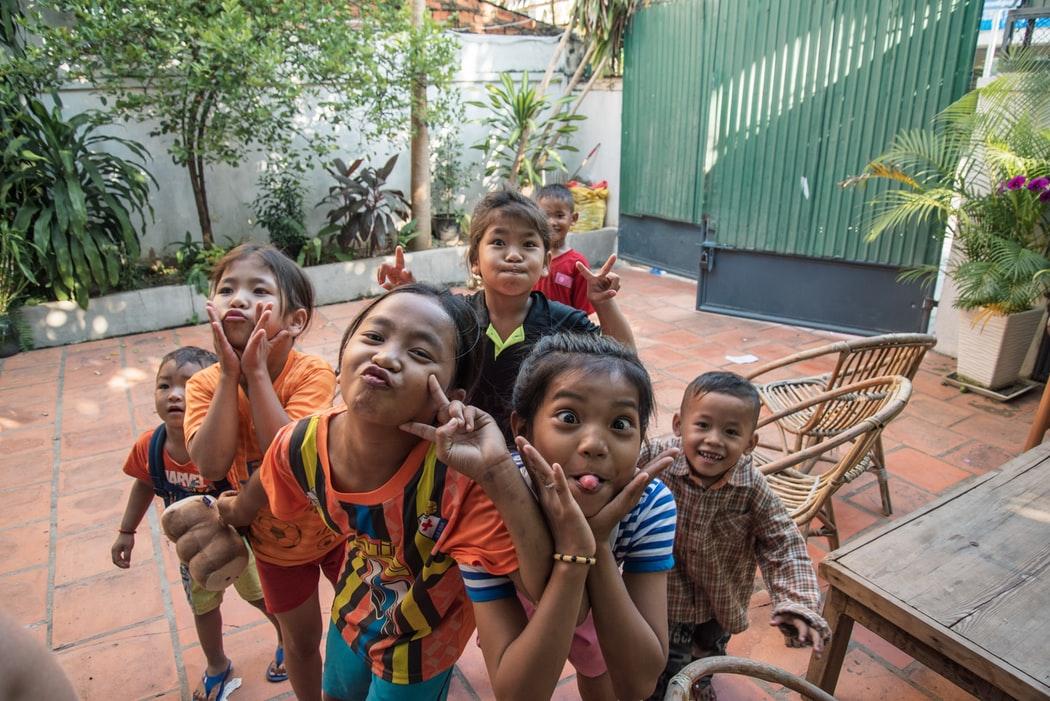
#Living naturally as myself #Children's pure joy #Felt how precious time alone is

It felt new to be able to be myself, just as I am, and be with people I met in an unfamiliar place. And when I was alone in unfamiliar places, I spent my time completely freely, sometimes not thinking about anything, and at that moment it was a precious time because I could think deeply about myself.
-Childcare volunteer work in Cambodia! / Jeon Jeong-mi, gap-year family gapper / 4-week gap year |
# ''At 24, I should take a real trip this year that I won''t regret.''

Hello. I started working at 21. I''m 24 now, so it''s already my fourth year.
Starting work early had its advantages, but it also meant I hadn''t had the chance to think more deeply about my career. Crushed by a busy job, I grew tired of relationships and sometimes felt disappointed in my own personality, and I just endured it.''At 24, I should take a real trip this year that I won''t regret.''With that in mind, I decided to join the project!
# I usually like children, so I chose the childcare teacher project.

I''ve already traveled to nearly 15 countries. Most trips were package tours or family vacations. Looking back, package tours were closer to sightseeing than to traveling. Rather than that kind of sightseeing, at twenty-four I thought I should take a trip that would leave precious memories for me, and since I usually like children, I chose the childcare teacher project.
Before leaving, I was a bit worried about staying abroad alone for about 15 days, but because I really wanted to escape my daily life, I left without thinking much.Maybe that''s why I couldn''t prepare much before leaving ㅠㅠ If I could turn back time to before I left,I would have learned more about the Cambodia I was going to, and researched and studied their history and Angkor Wat more.
# Time to be myself naturally

My gap year goal was, first of all, to break away from living within a role in my daily lifeand just have time to be myself naturally without any role or duty.— that was what I wanted.
Second, because I wanted a real travel experience rather than mere sightseeing,I wanted to meet local people and try living with them for a while to experience their daily life.
# A typical day on-site

The project ran five weekdays, and on weekends I traveled freely or rested.The daily routine during the five project days was:At 8:30 a.m., I rode a tuk-tuk (motorbike taxi) with other friends to the center where the project took place,
and from 9 to 11 we bathed the children and taught English.From 11 to 2 was lunch, naps, and rest.From 2 to 4 we did afternoon English lessons or played together, then returned to the local organization''s accommodation and had free time afterward.
# It was amazing and precious to meet people in an unfamiliar place, talk with them, travel and live together.

The staff at the local organization spoke English very well, and I’m grateful they helped and supported us throughout the project. There were peers from Spain, Canada, Australia, Japan, Singapore, Denmark, and other countries participating in the same local organization, and it was disappointing that I could only manage simple everyday English conversation.
Most of them knew nothing about Korea, and in their early twenties—perhaps facing similar career concerns and in some ways living in very different places—they left (their homes) like that.It was amazing and precious to meet, talk, travel, and spend time together in a strange place.
# It was a precious time because I could think deeply about myself.

First of all, meeting the lovely children who greeted me warmly, were happy with the pictures I drew, liked the way I tied their hair, and snuggled into my arms—those moments were moving. What I felt from meeting other traveler friends there was...It felt refreshing to be able to be myself just as I am and spend time with the people I met in a foreign place.
And during the times I was alone in an unfamiliar place, I could spend my time completely freely, sometimes thinking about nothing, or at this time...It was a precious time to think deeply about myself.
# My gap year tip

(Language)
Since it was my first project, I didn’t expect it, but not only the locals I met at the organization but many friends from other countries meant we had to communicate entirely in English. I could only manage everyday conversation, which was a regret. If I had been more comfortable speaking English, I think I would have had more conversations and made more memories.
(Accommodation)
Cambodia is different from our country as much as you should be prepared for, so go with that in mind. The accommodation is hygienic by Cambodian standards, but the shower facilities aren’t up to Korean standards. The lodging provides meals, toilet paper, and towels only—bring all other personal items.
(Meals)
The local food mostly suited my taste. Because fried rice and noodle dishes are usually on the menu, the local cuisine agreed with me. The meals provided by the local organization were varied, and they cooked according to the times I wanted, which I liked!
(What to bring)
Because you’ll be living in a different environment, many of the other participants experienced stomach problems or came down with colds. You might not be used to going to hospitals or buying medicine locally, so bring emergency medication, and it’s a good idea to get travel insurance just in case. The local main transport, tuk-tuks (motorbikes), do not guarantee safety.
# For prospective participants

You should always be careful about safety issues in Cambodia,but the people at the local organization are really kind. You can make many foreign friends during the project!And at the center where the local project was carried out, the children valued basic stationery, notebooks, storybooks, and clothes very much,so it’s a good idea to bring items from Korea that you no longer use.
# My Cambodia travel spots

I took a sleeping bus from Phnom Penh and arrived in Siem Reap at 5:30 a.m., then toured Angkor Wat from dawn until about 9 p.m. I recommend spending an entire day at Angkor Wat. Also, since you can get to Bangkok or Ho Chi Minh City by bus, it’s nice to plan a connected travel route.
# After the trip

I had just been getting by in everyday life.
After going on the project, I came to accept myself as part of a much bigger, wider world.

It felt new to be able to be myself, just as I am, and be with people I met in an unfamiliar place. And when I was alone in unfamiliar places, I spent my time completely freely, sometimes not thinking about anything, and at that moment it was a precious time because I could think deeply about myself.
-Childcare volunteer work in Cambodia! / Jeon Jeong-mi, gap-year family gapper / 4-week gap year |
# ''At 24, I should take a real trip this year that I won''t regret.''
Hello. I started working at 21. I''m 24 now, so it''s already my fourth year.
Starting work early had its advantages, but it also meant I hadn''t had the chance to think more deeply about my career. Crushed by a busy job, I grew tired of relationships and sometimes felt disappointed in my own personality, and I just endured it.''At 24, I should take a real trip this year that I won''t regret.''With that in mind, I decided to join the project!
# I usually like children, so I chose the childcare teacher project.
I''ve already traveled to nearly 15 countries. Most trips were package tours or family vacations. Looking back, package tours were closer to sightseeing than to traveling. Rather than that kind of sightseeing, at twenty-four I thought I should take a trip that would leave precious memories for me, and since I usually like children, I chose the childcare teacher project.
Before leaving, I was a bit worried about staying abroad alone for about 15 days, but because I really wanted to escape my daily life, I left without thinking much.Maybe that''s why I couldn''t prepare much before leaving ㅠㅠ If I could turn back time to before I left,I would have learned more about the Cambodia I was going to, and researched and studied their history and Angkor Wat more.
# Time to be myself naturally
My gap year goal was, first of all, to break away from living within a role in my daily lifeand just have time to be myself naturally without any role or duty.— that was what I wanted.
Second, because I wanted a real travel experience rather than mere sightseeing,I wanted to meet local people and try living with them for a while to experience their daily life.
# A typical day on-site
The project ran five weekdays, and on weekends I traveled freely or rested.The daily routine during the five project days was:At 8:30 a.m., I rode a tuk-tuk (motorbike taxi) with other friends to the center where the project took place,
and from 9 to 11 we bathed the children and taught English.From 11 to 2 was lunch, naps, and rest.From 2 to 4 we did afternoon English lessons or played together, then returned to the local organization''s accommodation and had free time afterward.
# It was amazing and precious to meet people in an unfamiliar place, talk with them, travel and live together.
The staff at the local organization spoke English very well, and I’m grateful they helped and supported us throughout the project. There were peers from Spain, Canada, Australia, Japan, Singapore, Denmark, and other countries participating in the same local organization, and it was disappointing that I could only manage simple everyday English conversation.
Most of them knew nothing about Korea, and in their early twenties—perhaps facing similar career concerns and in some ways living in very different places—they left (their homes) like that.It was amazing and precious to meet, talk, travel, and spend time together in a strange place.
# It was a precious time because I could think deeply about myself.
First of all, meeting the lovely children who greeted me warmly, were happy with the pictures I drew, liked the way I tied their hair, and snuggled into my arms—those moments were moving. What I felt from meeting other traveler friends there was...It felt refreshing to be able to be myself just as I am and spend time with the people I met in a foreign place.
And during the times I was alone in an unfamiliar place, I could spend my time completely freely, sometimes thinking about nothing, or at this time...It was a precious time to think deeply about myself.
# My gap year tip
(Language)
Since it was my first project, I didn’t expect it, but not only the locals I met at the organization but many friends from other countries meant we had to communicate entirely in English. I could only manage everyday conversation, which was a regret. If I had been more comfortable speaking English, I think I would have had more conversations and made more memories.
(Accommodation)
Cambodia is different from our country as much as you should be prepared for, so go with that in mind. The accommodation is hygienic by Cambodian standards, but the shower facilities aren’t up to Korean standards. The lodging provides meals, toilet paper, and towels only—bring all other personal items.
(Meals)
The local food mostly suited my taste. Because fried rice and noodle dishes are usually on the menu, the local cuisine agreed with me. The meals provided by the local organization were varied, and they cooked according to the times I wanted, which I liked!
(What to bring)
Because you’ll be living in a different environment, many of the other participants experienced stomach problems or came down with colds. You might not be used to going to hospitals or buying medicine locally, so bring emergency medication, and it’s a good idea to get travel insurance just in case. The local main transport, tuk-tuks (motorbikes), do not guarantee safety.
# For prospective participants
You should always be careful about safety issues in Cambodia,but the people at the local organization are really kind. You can make many foreign friends during the project!And at the center where the local project was carried out, the children valued basic stationery, notebooks, storybooks, and clothes very much,so it’s a good idea to bring items from Korea that you no longer use.
# My Cambodia travel spots
I took a sleeping bus from Phnom Penh and arrived in Siem Reap at 5:30 a.m., then toured Angkor Wat from dawn until about 9 p.m. I recommend spending an entire day at Angkor Wat. Also, since you can get to Bangkok or Ho Chi Minh City by bus, it’s nice to plan a connected travel route.
# After the trip
I had just been getting by in everyday life.
After going on the project, I came to accept myself as part of a much bigger, wider world.
Capturing the growth journeys
of our participants.

 Home
Home


Take a step out of your comfort zone.
Challenge yourself for your own sake.
Feel complete freedom.
Be happy.