Projects
|
FAQ
|
Announcements



#Adapted to an active, cheerful environment #Made friends with foreigners and experienced travel #Resolved to live doing what I want

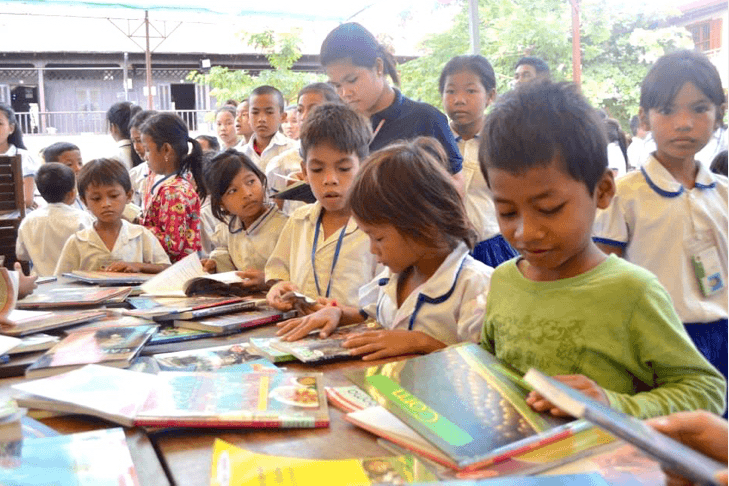
The children are so lovely. So when it was time to leave later, I became attached and it was really hard. Also, the Cambodian teachers liked Korea and were kind, so I grew very fond of them. I still keep in touch.
-Showing Cambodian children the boundless world through English education / Kim Kang-yun, Gap Year Tribe gapper / 6-week gap year |
The gap year I came to know about by chance while in the military.
While browsing the internet in the military, I happened upon it on Facebook.Gap yearI learned about it. When I looked into it more, it matched perfectly with the activities I had in mind. After discharge I had thought I''d take a year off from school and do activities I wanted while deciding on my future career, and the gap year was that kind of time.
I discharged and received consulting, and decided to do educational volunteering. However, that was when the problems began.It was my first time doing educational volunteer work. MoreoverEnglish education volunteeringI worried whether I could really teach anyone and whether I could get along with foreigners. But my desire to try it was stronger than my worries.
I''ve always been timid and fearful since I was young. So I worried a lot about how to approach and become friendly with strangers who are foreigners, and whether I would be stressed by teaching children and be able to endure and teach them properly, yeta new challengeto try itovercome on my ownI wanted to try.

Thus, the gap year that began was difficult from the start.
On the first day I arrived in Cambodia, I woke up, the sun was up, and I saw my roommate(s) and as soon as we saw each other they happily shook hands. From that timeEnglish anxietyhit me. The first week was really hard. All three of my roommates were from English-speaking countries, so they were close and conversed among themselves, but I was hit with English anxiety and couldn''t understand any of their conversation. When they suggested going somewhere I couldn''t hear properly and couldn''t follow them; they invited me to go eat lunch but I couldn''t go... I stayed in the room until the third day.
Then from the fourth day I thought I couldn''t just stay still. So I wandered around the city by myself a lot. I walked around for about two hours, wrote in a quiet cafe, rode tuk-tuks and went here and there. So later I came to know the city better than my friends, and when we walked around the city I sometimes guided them.
From the second weekI began to hear English little by little. The roommates also looked out for me, telling me not to go alone and to go together. Thus we grew closer little by little.Because I didn''t understand what they meant, I said "sorry" so many times and answered off-topic, so they spoke slowly to me. In this way, through my friends'' consideration, I was able to adapt.

A typical day''s schedule is as follows.
I wake up at 7 in the morning, eat, and at 7:30 take a tuk-tuk to the volunteer organization.It''s farther than you think on foot.
Classes start at 8 and go until 12.At 12 the children eat lunch, and I return to the guesthouse and have free time from then.
Classesare held in 40-minute sessions, and I was responsible for grades 1, 3, 4, and 5.
At first I planned to teach English, but the children liked Korean.So I taught Korean to the grades who liked it, and gave English lessons to the grades who didn''t.

Korean classestaught useful greetings that can be used in daily life, and words or conversation methods students were curious about. Teaching someonewas something I had never done before, so I always spent about an hour preparing the class the day before when I had time. I bought Korean textbooks locally, referred to them, and prepared notes.
English classesIn their case, older students wanted basic grammar,while younger students wanted lessons through games like hangman, so I proceeded that way.At first the classes were hard. When I showed K-pop to make them interested, they couldn''t concentrate on the lesson. So on days when class wasn''t working, we did physical activities together. We made bracelets together, and I joined the games the children played so we could become closer.

Friends and the children
I remember hanging out and playing with foreign friends after class on weekdays.On weekends, freely to other regionstravelWe went. My friends and I would decide ''where shall we go this weekend?'' and go together.
Andthe childrenare so lovely. So when it was time to leave later, I had grown attached and it was very hard. Also, the Cambodian teachers liked Korea and were kind, so I became very fond of them. I still keep in touch.
I cannot forget the roommates who supported me during the toughest times.They asked why I was alone in my room and told me to come down, so by mixing with other friends—playing poker and talking—I gradually made more friends.
.jpg "11953196_954961074560618_345418872740754032_n_(1).jpg")
We also traveled together a lot.Siem Reap and Kampot were the most memorable. Once I rented a scooter for a trip. I had never ridden one before so I hesitated, but I learned in five minutes and rode a scooter up a mountain over 1,500 meters for an hour. It’s more memorable because those friends shared these first-time challenges with me.
I went to a place called Silk Island and tried weaving silk myself. I went to the beach in Sihanoukville with seven foreign friends, took off our clothes and ran in — I loved that freedom. At night plankton stuck to our bodies and sparkled and the sky was full of stars; the scene I saw then is something I will never forget.
Changes through the gap year
Foreign friends proactively approached me first, so I naturally blended into that outgoing, bright atmosphere.
Normally I would have finished classes and rested at the accommodation. But watching European friends, I learned to enjoy every moment and to have fun and enjoy whatever we did wherever we went.

I also realized I could travel well on my own. AlsoThe experience of living with foreign friends in unfamiliar environments, encountering their cultures, and being exposed to their ways of thinking is something you cannot gain while living everyday life in Koreaexperiencewas.
And I originally liked children, but I learned how to become very attached to and close with children from other countries even when we couldn''t communicate in the same language.
I increasingly felt that I want to live doing what I want to do.

Plans for the future
I plan to get more gap year consulting, and during the remaining time...I''ll look for more things to do more of what I want. Through this opportunity...I realized that learning English definitely broadens the range of choices. So I will study English while exploring my future career path.
What a gap year means to me?
Something I want to keep.
I''ll continue creating opportunities in daily life. I experienced things I had never experienced before and spent truly precious time.

My gap year
Experiences ★★★★★
Everything was a new experience and absolutely fantastic.
Learning ★★★☆☆
I was able to understand a lot about the cultures and ways of thinking of people who live differently.
Environment ★★★★☆
The environment was better than I expected. I thought it would be poor, but it has very livable facilities. The showers are well-equipped, each room has three fans by default, and the chef cooks well so all three meals are tasty. However, I recommend bringing gochujang (Korean chili paste).
Safety ★★★★☆
Much safer than I expected. I never experienced any pickpocketing.
Leisure ★★★★★
There are a variety of things to do.There are clubs, many bars, and bowling alleys. With so many foreigners around, there are lots of things to enjoy. The movie theaters are also much better than most cinemas in our country. AlsoIf you spend your leisure time with foreign friends you do activities with, you can have a fulfilling and romantic time.

The children are so lovely. So when it was time to leave later, I became attached and it was really hard. Also, the Cambodian teachers liked Korea and were kind, so I grew very fond of them. I still keep in touch.
-Showing Cambodian children the boundless world through English education / Kim Kang-yun, Gap Year Tribe gapper / 6-week gap year |
The gap year I came to know about by chance while in the military.
While browsing the internet in the military, I happened upon it on Facebook.Gap yearI learned about it. When I looked into it more, it matched perfectly with the activities I had in mind. After discharge I had thought I''d take a year off from school and do activities I wanted while deciding on my future career, and the gap year was that kind of time.
I discharged and received consulting, and decided to do educational volunteering. However, that was when the problems began.It was my first time doing educational volunteer work. MoreoverEnglish education volunteeringI worried whether I could really teach anyone and whether I could get along with foreigners. But my desire to try it was stronger than my worries.
I''ve always been timid and fearful since I was young. So I worried a lot about how to approach and become friendly with strangers who are foreigners, and whether I would be stressed by teaching children and be able to endure and teach them properly, yeta new challengeto try itovercome on my ownI wanted to try.
Thus, the gap year that began was difficult from the start.
On the first day I arrived in Cambodia, I woke up, the sun was up, and I saw my roommate(s) and as soon as we saw each other they happily shook hands. From that timeEnglish anxietyhit me. The first week was really hard. All three of my roommates were from English-speaking countries, so they were close and conversed among themselves, but I was hit with English anxiety and couldn''t understand any of their conversation. When they suggested going somewhere I couldn''t hear properly and couldn''t follow them; they invited me to go eat lunch but I couldn''t go... I stayed in the room until the third day.
Then from the fourth day I thought I couldn''t just stay still. So I wandered around the city by myself a lot. I walked around for about two hours, wrote in a quiet cafe, rode tuk-tuks and went here and there. So later I came to know the city better than my friends, and when we walked around the city I sometimes guided them.
From the second weekI began to hear English little by little. The roommates also looked out for me, telling me not to go alone and to go together. Thus we grew closer little by little.Because I didn''t understand what they meant, I said "sorry" so many times and answered off-topic, so they spoke slowly to me. In this way, through my friends'' consideration, I was able to adapt.
A typical day''s schedule is as follows.
I wake up at 7 in the morning, eat, and at 7:30 take a tuk-tuk to the volunteer organization.It''s farther than you think on foot.
Classes start at 8 and go until 12.At 12 the children eat lunch, and I return to the guesthouse and have free time from then.
Classesare held in 40-minute sessions, and I was responsible for grades 1, 3, 4, and 5.
At first I planned to teach English, but the children liked Korean.So I taught Korean to the grades who liked it, and gave English lessons to the grades who didn''t.
Korean classestaught useful greetings that can be used in daily life, and words or conversation methods students were curious about. Teaching someonewas something I had never done before, so I always spent about an hour preparing the class the day before when I had time. I bought Korean textbooks locally, referred to them, and prepared notes.
English classesIn their case, older students wanted basic grammar,while younger students wanted lessons through games like hangman, so I proceeded that way.At first the classes were hard. When I showed K-pop to make them interested, they couldn''t concentrate on the lesson. So on days when class wasn''t working, we did physical activities together. We made bracelets together, and I joined the games the children played so we could become closer.
Friends and the children
I remember hanging out and playing with foreign friends after class on weekdays.On weekends, freely to other regionstravelWe went. My friends and I would decide ''where shall we go this weekend?'' and go together.
Andthe childrenare so lovely. So when it was time to leave later, I had grown attached and it was very hard. Also, the Cambodian teachers liked Korea and were kind, so I became very fond of them. I still keep in touch.
I cannot forget the roommates who supported me during the toughest times.They asked why I was alone in my room and told me to come down, so by mixing with other friends—playing poker and talking—I gradually made more friends.
We also traveled together a lot.Siem Reap and Kampot were the most memorable. Once I rented a scooter for a trip. I had never ridden one before so I hesitated, but I learned in five minutes and rode a scooter up a mountain over 1,500 meters for an hour. It’s more memorable because those friends shared these first-time challenges with me.
I went to a place called Silk Island and tried weaving silk myself. I went to the beach in Sihanoukville with seven foreign friends, took off our clothes and ran in — I loved that freedom. At night plankton stuck to our bodies and sparkled and the sky was full of stars; the scene I saw then is something I will never forget.
Changes through the gap year
Foreign friends proactively approached me first, so I naturally blended into that outgoing, bright atmosphere.
Normally I would have finished classes and rested at the accommodation. But watching European friends, I learned to enjoy every moment and to have fun and enjoy whatever we did wherever we went.
I also realized I could travel well on my own. AlsoThe experience of living with foreign friends in unfamiliar environments, encountering their cultures, and being exposed to their ways of thinking is something you cannot gain while living everyday life in Koreaexperiencewas.
And I originally liked children, but I learned how to become very attached to and close with children from other countries even when we couldn''t communicate in the same language.
I increasingly felt that I want to live doing what I want to do.
Plans for the future
I plan to get more gap year consulting, and during the remaining time...I''ll look for more things to do more of what I want. Through this opportunity...I realized that learning English definitely broadens the range of choices. So I will study English while exploring my future career path.
What a gap year means to me?
Something I want to keep.
I''ll continue creating opportunities in daily life. I experienced things I had never experienced before and spent truly precious time.
My gap year
Experiences ★★★★★
Everything was a new experience and absolutely fantastic.
Learning ★★★☆☆
I was able to understand a lot about the cultures and ways of thinking of people who live differently.
Environment ★★★★☆
The environment was better than I expected. I thought it would be poor, but it has very livable facilities. The showers are well-equipped, each room has three fans by default, and the chef cooks well so all three meals are tasty. However, I recommend bringing gochujang (Korean chili paste).
Safety ★★★★☆
Much safer than I expected. I never experienced any pickpocketing.
Leisure ★★★★★
There are a variety of things to do.There are clubs, many bars, and bowling alleys. With so many foreigners around, there are lots of things to enjoy. The movie theaters are also much better than most cinemas in our country. AlsoIf you spend your leisure time with foreign friends you do activities with, you can have a fulfilling and romantic time.
Capturing the growth journeys
of our participants.

 Home
Home


Take a step out of your comfort zone.
Challenge yourself for your own sake.
Feel complete freedom.
Be happy.