|
I was reminded that spending time with the people you''re with is important. During busy times I had been missing a lot. Whether family, friends, or the work I''m doing, I blamed my busy life and neglected the precious people around me, not spending much time with them. But in Australia, seeing people balance work and personal life, cherish moments with those close to them, eat delicious food, and live happily, I was able to realize the importance of that again.
-Vast continent Australia, Environmental Conservation Volunteer Project! / Park Nari, gap-year participant (gapper)
|
Q.Please give a brief self-introduction.
I worked in performance promotion for five years, then quit because I wanted to work in a different field. And while spending time looking for a new job...I took a gap year to recharge.
Q.Among Korea Gapyear''s many programs, why did you choose this one?
I liked that I could do environmental volunteer work while using English. Also, while working I didn''t have opportunities to rest in nature, so I wanted to heal in Australia, where nature is well preserved.
Q.Were you originally interested in environmental protection?
I wasn''t particularly deeply interested in nature conservation. I just preferred healing in quiet nature rather than noisy places. But while doing environmental conservation volunteer work in Australia, I was able to learn the true meaning of protecting nature and it gave me a chance to seriously think about the environment I live in.
Q.Weren''t you worried about going to an unfamiliar place to volunteer?
While working I traveled abroad a lot in my spare time. Also, because the stress from working was high, I thought more about being able to rest than being afraid of going abroad, and I had high expectations.
Q.How did you prepare before leaving for your gap year?
The activities I would do in Australia weren''t particularly difficult or high-level, so I didn''t specially prepare for the local activities. I did, however, study conversational English, which I''d been doing, a bit more intensively.
Q.How was the activity overall?
It was half fun and half challenging.
The fun part wasbeing able to live in and experience natural environments that I had only seen in zoos or from the outside as tourist spots. And after finishing work at 5 or 6 p.m., I could fully experience those natural surroundings.
The hard part waswhen surveying the natural environment, it wasn''t about sitting in an office and researching — we had to go out into the field to survey, so there were some physically demanding aspects.
Q.Is there a difference from volunteer activities you previously participated in?
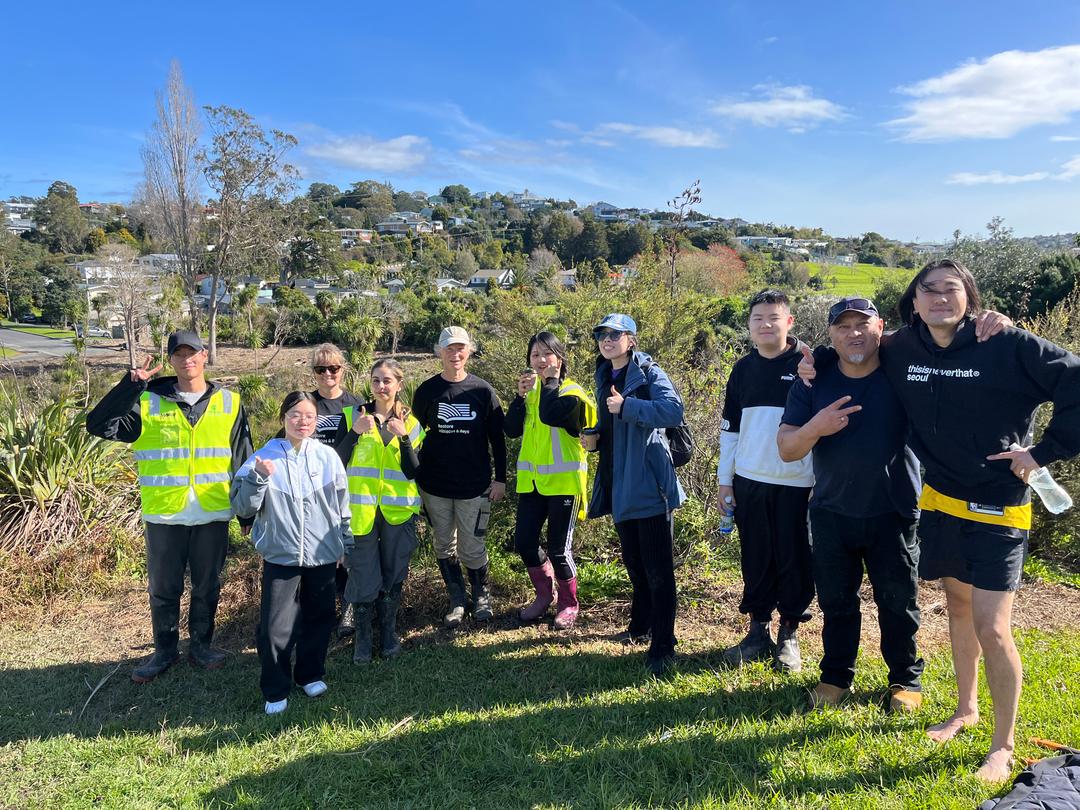
That you live and work in teams with friends from diverse cultures, allowing you to encounter various thoughts and values.
About ten friends participated together, and there were two Koreans including me.
And most of the friends were in their early twenties, so I met many who had come to find their dreams.
Q.What is the structure and organization of the program like?
First, volunteer work is carried out in teams, and an employee of the organization is assigned as the team leader.
The team leader plans the tasks for each week, and activities are carried out according to that schedule.
Q.Do the activities (monitoring endangered species, restoring habitats for flora and fauna, etc.) require specialized expertise?
The activities are not difficult at all. Before the project starts, the organization gives a briefing and training, and after that anyone can do the work.
Q.Were there any people you met in Australia or anyone who left a lasting impression?
The team leader is the most memorable. It must not be easy to harmoniously lead people from various countries with different cultures, but they were always kind and helped us have special experiences during our free time, so we came back with unforgettable memories.
Q.How did you spend your free time outside of volunteer hours?
After work, we went for drives in the team leader''s jeep to areas where we could see wildlife.
We were able to see various kinds of kangaroos and colorful birds we''d only seen on TV up close.
We also gathered as a team to cook and eat together; we even shared the Jjapagetti (Korean instant noodles) we had brought from Korea.
Once, while cooking together, we talked about our countries, and it was amusing to find that people from different countries imitate the sounds of the same animal in completely different ways.
Q.What are the pros and cons of the program you participated in?
Advantagesare First,You can see natural environments you couldn''t pay to see anywhere else,
Second,Through that, you can heal both body and mind.
Third,Through conversations with friends from several countries, you can experience and reflect on a variety of cultures.
DisadvantagesBecause I was used to the comforts of the city, living in nature where conveniences weren''t properly provided was sometimes uncomfortable. Later, however, this environment made me appreciate the small things I had enjoyed.
Q.Australia — if you were to recommend environmental conservation volunteering, who would you recommend it to?
Students who are about to enter university or who are currently on a leave of absence.
Most of them are peers from a variety of cultural backgrounds.
By participating in activities and living with those friends, naturally, compared to before,a broader perspectivefrom which to view the world.
For example, a student in their early twenties from Ecuador was studying environmental engineering and dreamed of working in that field. Watching that friend study and take action to achieve their dream taught me a lot.
Q.Comparing before and after taking a gap year, what changes have you noticed?
I came to realize anew that spending time with the people around you is important.
Until then, I had been missing out on many things while living a busy life. I neglected the precious people around me—family, friends—and couldn''t spend much time with them, blaming my busy schedule and work. In Australia, seeing people balance work and life, cherish moments with those nearby, eat good food, and live happily made me realize the importance of that once again.
Q.What are your plans moving forward?
I''ve recharged, so it''s time to get back to work!
Q.What does a gap year mean to Nari?
Completely mea time to fully focus on myself.

©Korea Gapyear






 Home
Home