Projects
|
FAQ
|
Announcements






Capturing the growth journeys
of our participants.

Project Introduction
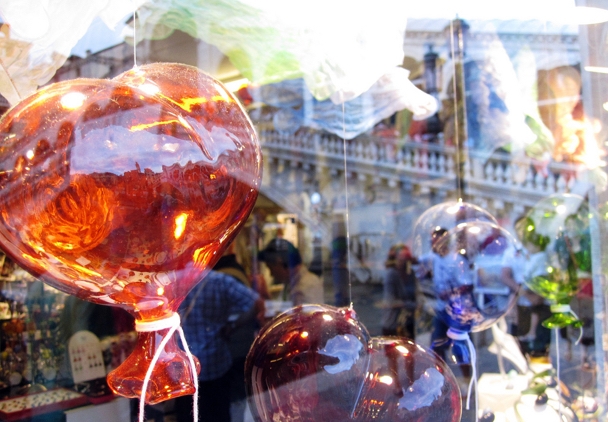
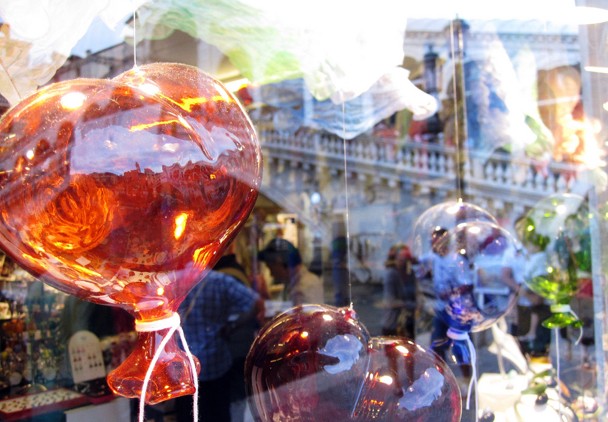
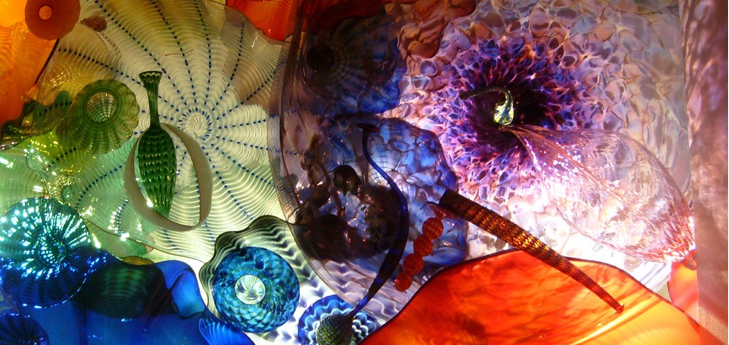
This project is a program to learn glasscraft in Venice, a city home to world-renowned glass artisans. Glasscraft refers to creating aesthetically shaped products using glass, one of humanity's greatest inventions.
Participants can learn from basic techniques—melting glass to make small beads—with glass artisans, to advanced courses using fire to create a variety of shapes.Glass, a convenient everyday material commonly encountered in daily life!Glass can be used for decorative accessories and ornaments,
and can be applied in many ways. Learn glasscraft from traditional Italian artisans!

About the Region
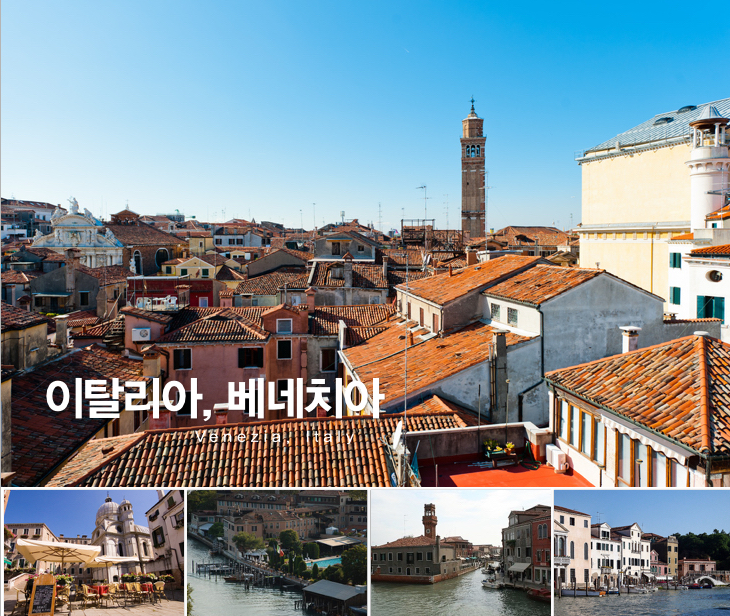
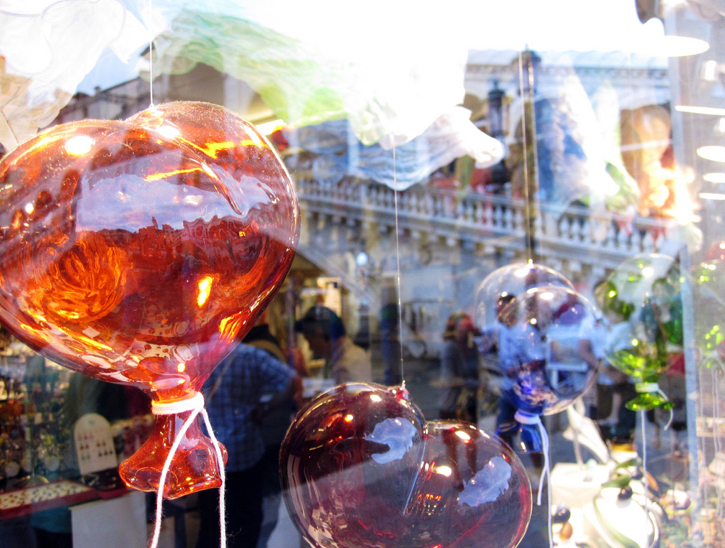
Venice, Italy, is a historic port city built on water. In the 14th–15th centuries it was the center of a maritime republic that dominated the Mediterranean, and it served as a crossroads where Eastern and Western cultures met. As trade flourished, the city adopted goods and customs from many countries and saw cultural development. In particular, the island of Murano, northeast of Venice, is a representative center of glasscraft. Murano is full of beauty, attracting many tourists and offering a wide variety of glassworks to view. For a long time, glass artisans lived on the island, experimenting with and developing various arts and crafts, preserving unique Venetian traditional techniques that helped make glass artworks known.
Exploring the history of Murano's glassmaking!
In the 13th century, Murano Island in Venice, Italy, began producing glassware and supplying it to Europe. There are two reasons why glasscraft gained renown in this area. First, it was easy to obtain pebbles from the canal beds and soda ash from the marsh plains. Second, to protect glassmaking secrets, artisans were gathered on Murano and strictly controlled so they could not leave the island. The fame could not have been achieved without the sacrifices of artisans who devoted their lives on Murano to glasscraft.
Murano still holds a unique position in glasscraft. The glassworks made by artisans who inherited family businesses and have worked for decades exhibit outstanding artistry and practical beauty. Murano's glasscraft techniques have a history of over 1,000 years. The island's glasscraft tradition, preserved through economic crises on the 'Island of Glass,' has only increased in value over time. There are 336 glass-related companies in Murano, accounting for 82% of the island's economy. Among them, 175 companies are involved in glassmaking and production—more than half—57 handle both production and sales, and 77 specialize in sales. Additionally, 22 companies produce interior decorative assemblies and lamps, and there are research institutions such as a glass museum.
Source – Naeil Newspaper
[Traditional Vocational Education in Europe] ⑦ Italy Murano Island Glasscraft Artisan Training
Artisan Introduction
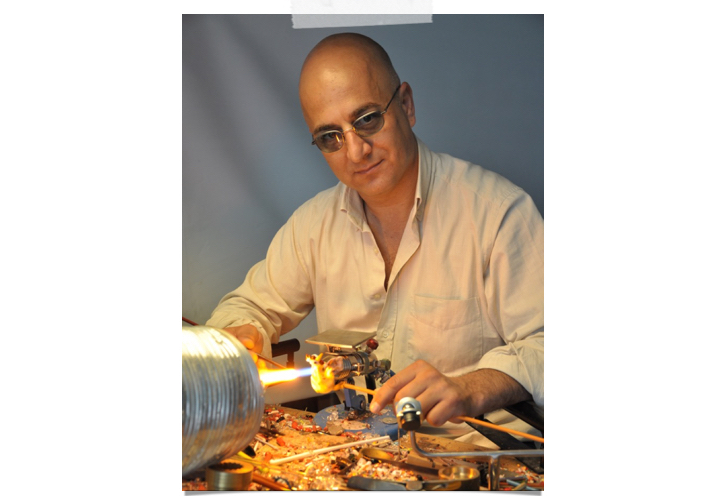
The artisan participating in this project is
The artisan was born in Venice in 1963 and currently lives on the island of Murano, famous for the production of cathedral and Venetian glass. Having started glasscraft as a self-taught practitioner, they apprenticed at a well-known glass studio in Murano to study properly and later became a disciple of a master glass artisan considered one of the best, where they honed their skills.
In 1990 they opened their first store and engaged in various artistic activities, collaborating with international companies. Working in their own distinctive style, the artisan has held solo exhibitions and was invited to display their work in various countries. To this day, the artisan's works are exhibited in numerous museums, and their skills and teaching abilities have been requested abroad, leading them to teach students at several international schools.
Project Activities
1. This projectEnglishis conducted in.
English requirement★★★☆☆
Because the main activities involve glasscraft lessons and participating in glassmaking work, participants can join the project as long as they can communicate at a basic level in English.
2. This project runs four days a week, Monday through Thursday.
3. This project follows an afternoon class schedule with 3 hours per day and a total of 12 hours per week.
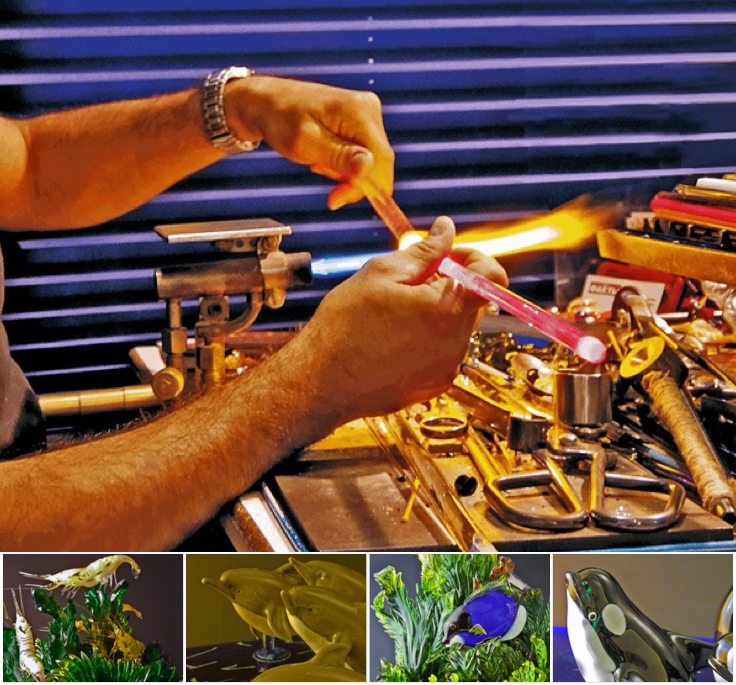
Lampworking (Lampworking)
- The process involves heating glass tubes or rods with a torch to melt them.
- During the heating and melting process, the molten glass flows downward due to gravity, but by rotating the glass tube
If you keep it centered, it will not drip and will gradually melt.
- Through processes such as joining the continuously rotating, molten glass to other glass rods or removing portions of the glass,
You can make small glass craft products.
*Lampworking is suitable for small, delicate work.
*Lampworking helps you get used to heat while creating basic forms like beads.
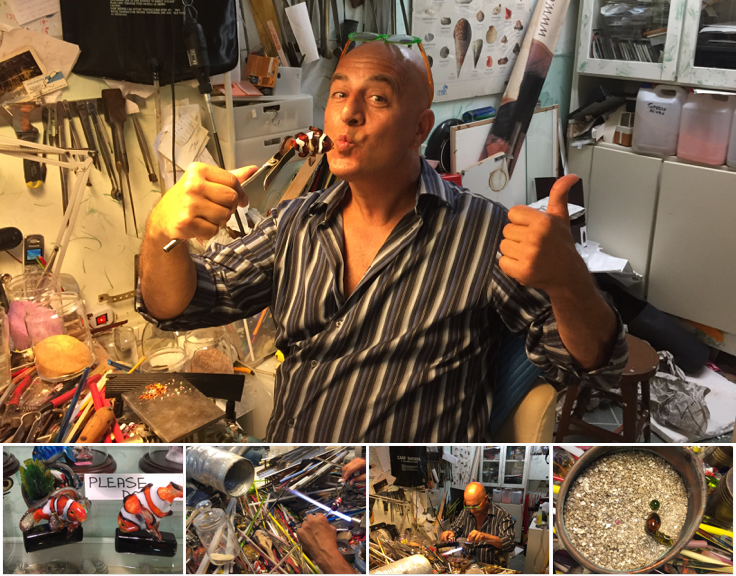
Flameworking (Flameworking)
- A glassworking technique derived from lampworking that uses burners or torches fueled by gas and oxygen, or
or because work is done with flames, it is called flameworking.
- Lampworking techniques are used to make glass eyes, beads, toys, jewelry, cups, and other glasscraft items,
Flameworking allows for more delicate expression, so many glass artists use it.
- Flameworking techniques enable the creation of glasscraft products in various sizes.
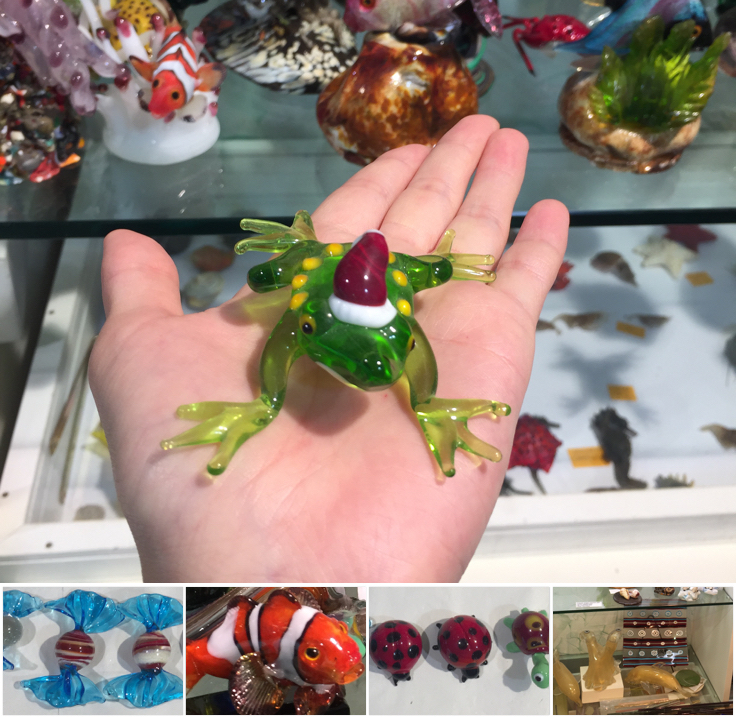
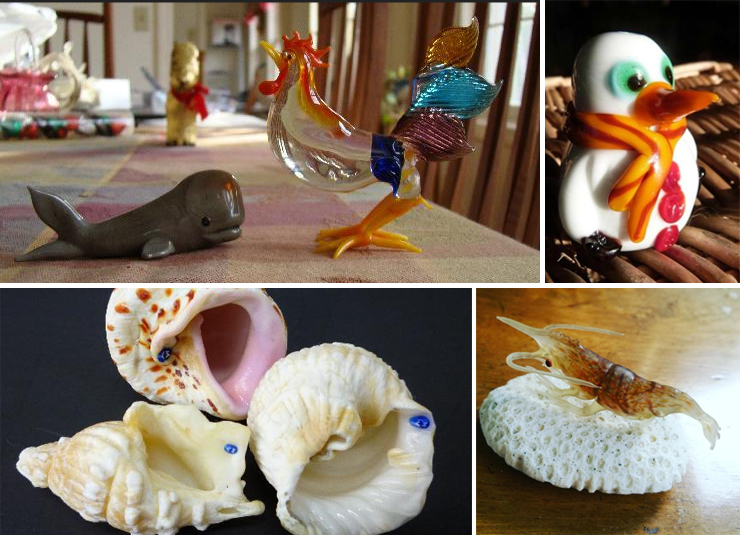
Product examples
1. Week 1 – Making glass beads and candy shapes
2. Week 2 – Making a ladybug
3. Week 3 – Making a turtle
4. Week 4 – Making a dolphin
유리공예 기술 과정
- There are various surface decoration techniques and other glasscraft methods used in glasswork.
By learning the basics of the glasscraft process, you will learn more advanced glassworking techniques and create a variety of glass art forms.
Murano Island Glass Art / Visit to a Glassworks Factory
At participants' request, activities include visiting Murano Island, famous for glass art, or visiting a glass manufacturing factory.
*This class can start when at least 4 participants have enrolled.
How to Apply for the Project
1.Apply via the website
After completing the application on the website, submit the participant application form.
▼▼▼▼▼
2.Fill Out the Application Form
Participant application form on the website/Prepare and submit a resume.
▼▼▼▼▼
3.Pay Participation Fee
Pay the project participation fee to proceed with the project with the local organization.
(After payment of the participation fee, If the local organization denies participation, the participation fee will be100%A refund will be issued.)
▼▼▼▼▼
4. Participation confirmed:days
Approximately 5–7 days required
(After confirmation, the person in charge will contact participants individually by phone)
▼▼▼▼▼
5. Online Orientation
After participation is confirmed, pre-preparation and a briefing about the project, Other paperwork will be carried out
(Detailed information about the orientation will be provided via email.)
▼▼▼▼▼
6. Departure(overseas)
After departing individually according to each participant's schedule, 'Florence, Italy International Airport' enter through.
▼▼▼▼▼
7. Local orientation
The local staff informs participants about activity details, A general briefing about the project, including precautions,
Adapting to local life, such as accommodation and meals, A local orientation covering safety issues and other matters is conducted
▼▼▼▼▼
8. Project start
Participants begin the project on the schedule they requested when applying..
Project dates and length of stay are independent. After the project ends, Independent local travel is possible
* Please book flights and transportation after your project participation is confirmed and you have received the final departure schedule.
Eligible participants
1. Physically healthy adult men and women aged 18 or older
2. People who are generally interested in glass art
3. People who want to learn glass art from a glass artisan
4. People who majored in fields related to design or art
5. People with manual skills who want to create their own pieces
6. People who want to experience living in Venice, the City of Water
7. People who want to have a special experience while traveling in Venice
8. People who are open-minded
Participation schedule and fees
|
- The minimum participation period for this project is 1week is. - The project fee is at the top of the current pagewhere you can easily check the detailed amounts for each duration and option. |
|||
|
* For popular projects, TO may not be available, Please apply promptly to secure your spot.
*If you are unable to pay the full amount,Prepay a registration fee of 500,000 KRWand if you pay the remaining balance within 2 weeks, the date you paid the registration fee will be used as the basisA process to confirm participation in the project will be carried out to check availability and TO. To participate on your desired date and period, securing a spot quickly is important!(Non-refundable once participation is confirmed) *However, if the start date is near, the schedule for paying the remaining balance may change depending on the circumstances.
■Early bird discount andUrgent ApplicationInformation All Gap Year projects require standard processing procedures and a preparation period,we recommend applying at least 3 months before the project start date.and,as a rule, please apply at least 2 months in advanceHowever, if there are unavoidable reasons or you urgently need to join a project, you can pay an additional fee for the urgent application service, and we will assist with the fastest possible processing. *We assist with the fastest possible processing, but there is a basic amount of time required for communication with local organizations and for confirming participation, and all procedures are carried out in the same way as for regular participants, soparticipants who apply through the urgent application service must actively cooperate with the Korea Gap Year operations teamand should do so. **Participants who apply at least 180 days before the start date can receive an early bird discount. ***The urgent application service can be selected using the option above; for inquiries regarding the urgent application service, please contact koreagapyear@gmail.com. **Note: For super-urgent applications, there may be no available slots depending on local circumstances, and subsequent procedures will be handled according to the Gap Year refund policy.Additionally,Participants are responsible for any issues arising from their lack of cooperation. |
|||
|
Included |
|||
|
- On-site project execution and training costs
- On-site orientation costs
- Korea Gap Year Overseas Experience Certificate
|
- Registration and placement, training,Project implementation costs
- Project application fee
- Participant dispatch processing fee
- Online orientationCost
|
||
|
Not included |
|||
|
- Round-trip airfare - Individual travel insurance - Other local living expenses |
|||
* Please book flights and transportation only after your project participation is confirmed and you have received the final departure schedule.
Accommodation information
Participants can freely choose accommodations in the project area according to their personal preferences and budget.
For participants who have difficulty finding accommodation,
Korea Gap Year will recommend accommodations (guesthouses/hotels, etc.) near the project site.

Accommodation type information
1. Homestay
Staying with a local family in the host country, participants can learn the country’s culture and language. By living with the family, they can improve language skills through communication and gain an understanding of local lifestyles, values, and cultural practices.
2. Guesthouse
A guesthouse is a type of accommodation where the kitchen, toilet, and shower are shared. Rooms are assigned as four-person or six- to eight-person rooms, so several friends may live together in one room. When traveling briefly to another country, people often stay in guesthouses and, through short encounters with various travelers, share stories and travel information.
3. Apartment Share
An apartment share is accommodation in which about five to six international students rent a house and live together. Depending on the condition of the home, you can choose a private room or share a room with one friend as roommates. Unlike a homestay, it is not a family setting; residents share household tasks such as meals, cleaning, and laundry with friends. It has the advantage of allowing you to live with friends from various countries.
Travel information
Region:Italy, Florence
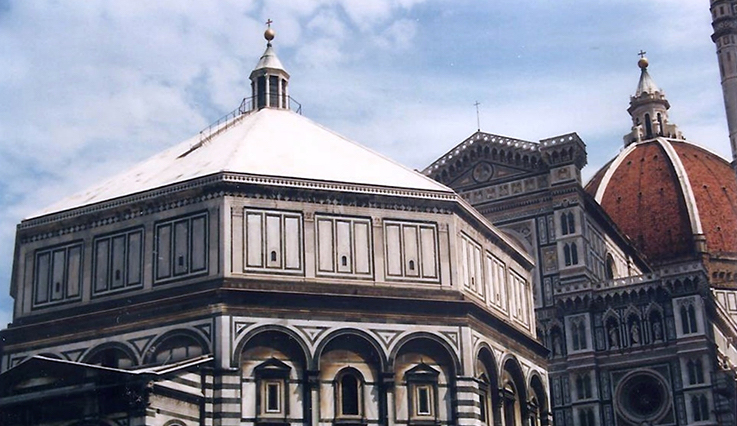
Top Destination #1 - San Giovanni Battista Cathedral
It is a cathedral located in Turin. Italian cathedrals, built on a grand scale to praise and worship God, are widely known for their beauty. Built around 1490 of white marble, the cathedral provides a place for prayer and uplifts the hearts of visiting tourists. One must-see is the shroud believed to have wrapped Jesus' body for centuries; many people visit to see this shroud.

Top Destination #2 - Vigna della Regina (The Queen's Vineyard)
Vigna della Regina is the most splendid and grand palace in the Turin area; its name means "The Queen's Residence." This enormous palace has a large vineyard with about 2,700 grapevines. The vineyard is managed by the Valbiano Winery, which cultivates high-quality grapes to produce excellent wines. Turin is known as a producer of deeply aromatic red wines, making it a must-visit city for wine travel. You can visit this vineyard to taste wines that are highly regarded in Italy.

Top Destination #3 - Turin's famous risotto and truffles
Risotto refers to a dish cooked by simmering ingredients such as butter, rice, shrimp, and various vegetables. In autumn, risotto made with Turin’s famous local porcini mushrooms is a must-try when visiting Turin. Also, truffles are regarded as one of the world’s three top ingredients and are an exquisite delicacy. They have a strong and distinctive aroma, so even a small amount added to a dish imparts a powerful flavor, allowing you to experience the truffle’s scent and taste. Because they grow underground, truffles are nicknamed the 'diamonds of the earth,' and you can enjoy dishes that combine truffles and risotto.
Estimated Costs
(Based on 1 week)
|
Item |
Details and remarks |
Amount |
Category |
|
Round-trip airfare (including TAX) |
Varies by flight |
Approximately 500,000–1,300,000 KRW expected |
Excluded items |
|
Visa issuance fee |
Visa-free entry for 90 days (3 months) available |
- |
|
|
Individual travel insurance fee |
Varies by insurer/duration |
Approximately 35,000 KRW expected |
|
|
Local living expenses |
Meals (breakfast/lunch/dinner) during the period |
Approximately 40,000 KRW expected |
|
|
Airport fees |
- |
- |
*Airfare may vary depending on the flight.
*Local living expenses are provided as an average estimate and may vary depending on participants’ preferences..
*Participant's travel expenses and personal spending money are not included.
● Note (Estimated local prices)
|
Accommodation |
Per night |
Meals |
Per meal |
|
Guesthouse |
Approximately 30,000 KRW |
Local meal |
Approximately 7,000 KRW |
|
Hotel |
Approximately 100,000 KRW |
Restaurant |
Approximately 20,000 KRW |
*The estimated local prices are based on average standards and may vary depending on the participant's preferences.
Important Notes
1. This program 3-4 monthsIt is best to apply with about that much time to spare.
2. Excluding the program activity period, a validity period of 6 months or more remaining on the passport is required.
3. Refunds for participants' personal reasons are not possible after the program has been confirmed.
4. Upon applying for the project, participants are considered to have agreed to the Gap Year refund policy.
5. This project has a <strict> refund policy..Before project participation is confirmed, 100% a full refund is available, but cancellations after project confirmation are non-refundable.For details on refunds, Gap Year Refund Policy please check.
6. Project schedule and content are subject to local circumstances(transportation,Weather changes, etc.)It may vary depending on weather changes or the circumstances of local organizations, and in unavoidable cases may be reduced or changed..
7. This project is actually operated by a project implementing organization that has a partnership with Korea Gap Year.. Therefore, responsibility for the actual operation lies with the project's local organization..
8. Overseas travel safety information: The travel alert levels operated by the Ministry of Foreign Affairs are Travel Caution / Refrain from Travel / Recommended Evacuation / Travel Ban 4are divided into levels, and the Ministry of Foreign Affairs 'Safe Overseas Travel' site ( www.0404.go.kr) You can find detailed information at.
9. Please book airfare and transportation after you have received final confirmation of your participation and your departure schedule. We will provide individual guidance on schedules after participation is confirmed.
* Visa information
Italy can be visited freely without a visa. A tourist visa allows a stay of up to 90 days per visit.
Some inclusions are available when options are added or selected.



 Home
Home

Take a step out of your comfort zone.
Challenge yourself for your own sake.
Feel complete freedom.
Be happy.





 Please select a start date.