🇰🇷 Au Pair Life in Korea: A Deep Dive into Family Life, Daily Routine, and Cultural Differences!
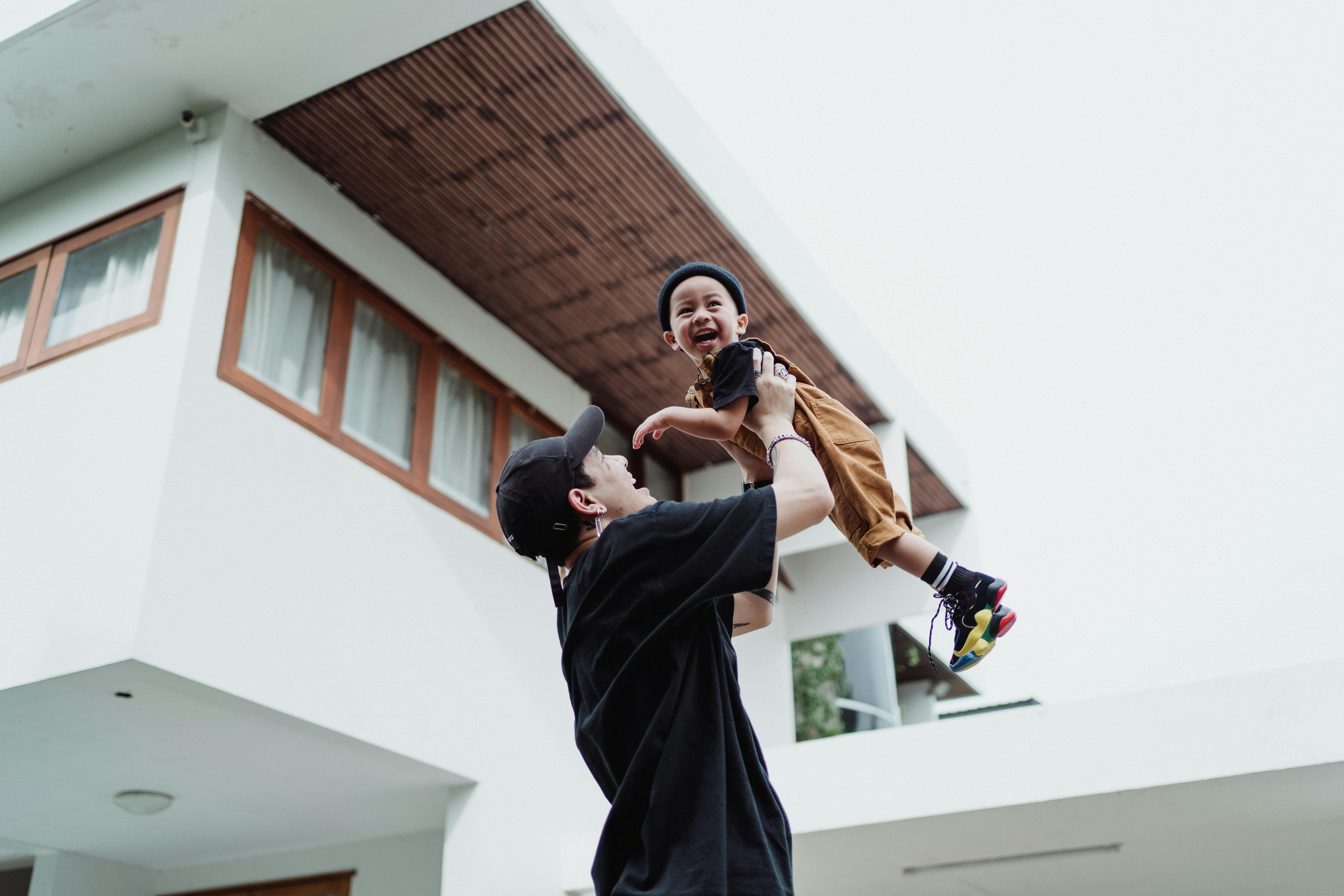
Your Au Pair experience in Korea will differ from what you might find in Europe or the US. However, these very differences are what will make your life in Korea uniquely special, safer, and rich with deep cultural immersion. We will focus on the three core areas young adults in their 20s are most curious about, comparing the cultural nuances between Korean and Western Au Pair life.
Part 1. The Difference in 'Relationships' within the Family: Beyond Equality to Deep 'Family Bond'
🏡 Western Host Family
- Separation of Roles: Personal space is respected, and the relationship maintains a clear distance as an equal exchange.
- Titles and Forms of Address: Host parents are often addressed by their first names or comfortable, informal titles.
- Feedback: Requirements or issues are expressed directly for quick resolution.
🏡 Korean Host Family
- Family Member Status: The Korean family treats you simultaneously as a family member and a valued guest. You'll feel psychological stability and strong protection in an unfamiliar place.
- Titles and Respect: Try using family titles like "Eomma/Appa" (Mom/Dad) for the host parents. It may feel awkward initially, but it accelerates intimacy and closeness with the family.
- Consideration-Focused Communication: Koreans often communicate respectfully and indirectly, prioritizing the other person's feelings. This minimizes direct conflict and psychological burden, showing respect by trusting the Au Pair to reflect and improve on their own.
✨ Key Takeaway: By understanding the warm culture and consideration-focused communication of the Korean family, you'll learn the 'Art of Communication'—how to resolve small misunderstandings with warmth. Plus, you’ll gain a dependable family to prevent loneliness in a foreign environment!
2. Differences in Childcare and Work Style:
Less Labor, More 'Language Mentoring'
🏡 Western Host Family
- Core Duties: Household chores related to children (dishes, laundry, cleaning) are often explicitly included in the work scope, in addition to childcare.
- Financial Burden: The high cost of living in major US/European cities can make free spending on dining out, leisure, and culture challenging, even with pocket money.
- Use of Shared Space: Personal time is usually spent in the private room or outside the house, maintaining clear boundaries with the family.
🏡 Korean Host Family
- Core Duties: The greatest expectation is the role of an 'English Education Partner.' Heavy chores are minimized, and the time spent playing and conversing in English with the child is paramount.
- Financial Freedom: Living costs in Korea (public transport, meals) are relatively reasonable making it easy to travel, dine out, and experience Korean culture freely.
- Use of Shared Space: You'll have many opportunities to naturally participate in family activities, such as spending time in the living room together on weekend evenings, eating out together, or traveling as a family.
✨ Key Takeaway: The Korean Au Pair experience focuses on deep family bonds and considerate communication. You focus on language mentoring rather than heavy labor, and enjoy the freedom of leisure activities thanks to the reasonable cost of living in Korea, allowing you to fully immerse yourself in the culture!
3. Cultural Differences in Daily Life:
Experiencing the Real Korean Routine
🏡 Western Host Family
- Dining Culture: Individual dining is common, where people prepare their own meals or serve food onto separate plates.
- Waste Disposal: Garbage is generally sorted roughly and placed together in large bins, or standards are flexible depending on the region.
- Cultural Experience: Cultural immersion typically happens during weekends or vacations, visiting tourist spots.
🏡 Korean Host Family
- Dining Culture: The culture of 'Jeong' (shared affection) while eating is key. You will experience Korea’s communal dining table culture, sharing stews and side dishes (Banchan).
- Recycling Master: Plastics, vinyl, paper, and glass must be thoroughly categorized, cleaned, and disposed of. You can raise your environmental awareness by mastering Korean recycling habits.
- Cultural Experience: You gain the special privilege of immersing yourself deeply in the real Korean routine by spending holidays like Seollal (Lunar New Year) and Chuseok (Thanksgiving) with your host family, or enjoying Korean-style BBQ on weekends.
✨ Key Takeaway: As an Au Pair in Korea, you'll gain deep experience in the Korean daily routine, including the shared dining culture and the meticulous recycling system. You experience a special culture not as a tourist, but as a member of a local family!
The Korean Au Pair experience moves beyond simple labor to focus on the role of an English mentor, providing emotional security through a deep bond with the host family. Thanks to the reasonable cost of living and the culture of sharing within the family, this will be a special cultural exchange opportunity where you immerse yourself in the genuine daily life of Koreans, not just as a tourist. If you want more detailed information on this special cultural exchange, please check the Korea Gap Year website!
🇰🇷 The Role of a Korean Au Pair: A Partner in Cultural Exchange and Child Development
As an Au Pair in South Korea—a country offering a unique charm—we want to explain your core duties across three main areas. Being an Au Pair is more than just childcare; it’s a special experience where you grow alongside the children through deep cultural exchange. By reviewing the scope of work in neighboring Asian countries and feedback from international Au Pairs, we can anticipate the specific tasks you may undertake in a Korean family. This background knowledge will help you understand the role you'll play, adapting to the unique culture and characteristics of your Korean host family.
1. Primary Role: Childcare & Playmate
Your most important mission is to become the children's closest older sibling (Hyeong/Noona/Oppa/Eonni). Instead of being a strict teacher, your role is to ensure their safety while delivering joy! This is especially crucial when looking after pre-schoolers or children in the lower grades of elementary school.
📍 Daily Life and Care Coach
- Hygiene and 'Let's Get Ready' Time: Younger children require delicate care. Help them get dressed in the morning, wipe their faces after meals, and guide them to wash their hands by making it a 'fun game.' You’ll also provide a gentle hand during bath time and bedtime preparation.
- Meal and Rest Coach: Look after the children's snacks and meals, teaching proper table manners. Managing naptime or rest periods so they can recharge their energy!
- SOS Child Health Manager: Frequently check the child's condition. If they catch a cold or get a small scratch, immediately notify the parents. Be a dependable guardian ensuring the children’s safety and health.
📍 Early Learning and Play Genius
- Development-Focused Play Designer: You can forget about school homework or rote learning for a while! Lead creative and physically engaging play appropriate for the child's age. Become a Play Expert who aids the child's overall development through drawing, role-playing, and active indoor/outdoor activities.
- Language Habit Formation Mentor: This is your biggest asset! Naturally expose the children to your native language through daily conversations, songs, and reading fun storybooks. Be a live language teacher helping children absorb English while they play.
- Habit Guide: Teaching children small habits that foster independence, like tidying their clothes and putting toys back in place, is also a vital part of your role.
📍 School Drop-off/Pick-up and Schedule Management
- Safe Travel Partner: Your mission includes safely and happily taking the child to and from daycare, kindergarten, or elementary school.
- After-School Supporter: Korean children often have many after-school academies (Hagwon) or special activities. Your role may include helping the parents by transporting the child to Hagwon or other necessary activities after their main school schedule.
2. Auxiliary Role: Child-Related Housekeeping (Keeping the Child's Living Space Clean!)
Don't worry! Your main household duties will be limited to areas concerning the children, serving as a cooperative role to support the child's hygiene and maintain a pleasant living environment.
- Tidying Children's Items and Spaces: Clean up the room or dining area where the children have played and used. This includes guiding children to tidy their toys themselves.
- Hygiene-Related Laundry: Process and organize laundry (clothes, handkerchiefs, bedding, etc.) using the washing machine.
- Post-Meal Cleanup: Assist with washing and organizing the dishes used during mealtime, and performing simple table cleaning.
3. Essential Role: Cultural & Language Exchange (Bonding and Growth within the Family)
This is the greatest appeal of the Au Pair program and the highest value your host family expects from you.
- Mutual Cultural Ambassador: You are a 'small ambassador' introducing your culture to the Korean family. Share your country's culture, fun customs, and favorite foods naturally with the family, gifting them a global perspective.
- Language and Emotional Exchange: Beyond playing with the children, you will have opportunities to engage in mutual language learning (Korean and English) through daily conversations with the host parents. Share emotional support and empathy as a family member, enriching your life in Korea!
The specific duties and daily routine of an Au Pair are highly flexible, depending on the host family's lifestyle and home culture. The family you match with and the tasks you undertake can be adjusted based on sufficient dialogue and understanding before the matching process. Therefore, the most crucial attitude for a successful Korean Au Pair experience is an open mind and a willingness to adapt to Korean culture and family life. If you want more diverse information about Au Pair in Korea, check the Korea Gap Year website!
🇰🇷 Finding Your Own Rhythm: A Complete Analysis of the Korean Au Pair's Day – The 'K-Routine'
Being an Au Pair in Korea offers a prime opportunity to experience a balanced life within a predictable daily schedule. From the child's school drop-off to bedtime, your day will have exciting moments that allow for total immersion in Korean culture. Let’s take a detailed, hour-by-hour look at the typical routine of an Au Pair in a Korean household with elementary school children, and see how your challenge will translate into a meaningful experience!
1. The Vibrant Morning Mission: Conquering the Morning Routine (8:00 AM - 9:00 AM) ☀️
Korean parents are very attentive to their child's school preparation. Your day begins during the busiest and most energetic time as the children get ready for school.
- [ 8:00 - 8:10 ] Child Wake-up: Start the day energetically with the child, boosting intimacy right from the morning.
- [ 8:10 - 8:40 ] Breakfast: Experience the true Korean family dining.
- [ 8:40 - 9:00 ] Finalizing School Prep and Drop-off: Directly observe Korean elementary school culture and naturally become familiar with the neighborhood safety environment.
2. Leisure and Growth: Using the Morning Hours for 'Freedom' and 'Learning' (9:00 AM - 2:00 PM) 📖
After the children go to school, this is golden time, entirely for you! Under the Au Pair agreement, this time is completely off-duty and yours to use freely.
- [ 9:00 - 10:00 ] Get ready : Personal time to get ready.
- [ 10:00 - 13:00 ] Korean Language Classes, Visiting Local Libraries, Hobby Activities (K-Pop Dance, etc.): 100% self-development time! Drastically improve your language skills and make local friends.
- [ 13:00 - 14:00 ] Lunch (Freely at home or outside): Experience culinary exploration by enjoying Korea's diverse, highly affordable lunch options.
- [ 14:00 - 17:00 ] Free time (Freely at home or outside): Go to cafe or visit places you want.
3. The Afternoon Challenge: The 'Hagwon Relay' and Fun Playtime (5:00 PM - 7:00 PM) 🏃
For Korean elementary students, after school often means the start of the Hagwon (private academy) relay. This is the time when your caregiving skills and understanding of Korean culture are most needed.
- [ 17:00 - 17:30 ] Child Pick-up, Snack Time, and School Homework Guidance: Develop academic management skills and increase closeness by using Korean related to studies.
- [ 17:30 - 18:00 ] Managing the Child’s 'Hagwon Relay' Schedule and Transportation: Understand Korea's dynamic education system and after-school culture firsthand. Your time management and navigation skills will sharply improve.
- [ 18:00 - 19:00 ] After Returning Home, Free Playtime with the Child OR Helping with Dinner Prep: Stimulate creativity by playing the child's favorite games and acquire the child's language most quickly.
4. With the Family or Alone: Evening Utilizing Personal Time (7:00 PM - ) 🌛
The evening is a critical time to wind down the day with the host family and build warm bonds (Jeong).
- [ 19:00 - 20:00 ] Family Dinner (Conversation with Host Family): Experience Korean family conversation culture and naturally learn dining manners and culture.
- [ 20:00 - 21:00 ] Bedtime Routine: Offer comfort to the child through warm emotional connection and deepen the relationship of trust with the host family.
- [ 21:00 - onwards ] End ofthe day and Complete Free Time: Recharge by focusing on personal time—planning weekend trips, meeting friends, watching Korean dramas, etc.
The Korean Au Pair's day clearly separates the time dedicated to responsible childcare from your time for personal growth. Through this systematic routine, you will be able to improve your Korean skills, gain a deep understanding of the culture, and make your 20s incredibly meaningful. Challenge yourself to become an Au Pair in Korea through the Korea Gap Year website and experience this special balance now!




 Back to List
 Home
Home