Projects
|
FAQ
|
Announcements



#Overcame fear of traveling abroad #Connection with animals, making friends #Satisfaction; became more positive

I had never traveled abroad before, so I had a vague fear about overseas travel, but I tried to overcome it. As a result, it became a very good experience, so there was a much more positive change. Before, I didn''t think much about overseas travel, but now I''m already looking forward to the next vacation.
A simple everyday wild life: volunteering to care for abandoned animals in Tokushima, Japan
Son Kyungwon, gap year traveler (gapper) (24 years old, university student) / 3-week gap year |
# I decided to participate because there was a way I could help them.

Hello, I''m Son Kyungwon, class of ''14, studying in the Department of Materials Science and Engineering. This is my first time traveling abroad, so I joined the project hoping it would be a meaningful and memorable trip. I''m sociable, soI made many friends through this project.
The reason I joined this project is that I really like interacting with animals. When there are cats on the street, I make eye contact and blink gently to show friendliness, and I like animals enough to sometimes buy them snacks.
Of course, dogs too. I was also curious about how difficult the living conditions are for abandoned dogs and cats, andI decided to participate because there was a way to help them.
First, since four of us formed a team, we prepared by sharing what to bring in our chat group. For toiletries like shampoo, we each took a large bottle to divide, minimizing luggage, and we reduced costs by preparing to share one pocket Wi‑Fi between two people.
I had never traveled abroad before, so I had a vague fear about overseas travel, and I tried to shake it off.As a result, it turned out to be a very good experience, so there was a much more positive change.Previously I didn''t think much about overseas travel, but now I''m already looking forward to the next vacation.
* For Son Kyungwon, who had a strong desire to change himself, a personalized 1:1 mission designed to break his own mold—providing new stimuli and experiences—was provided daily, and a gap year notebook was also provided to reflect on himself and make plans.
# A day in Japan

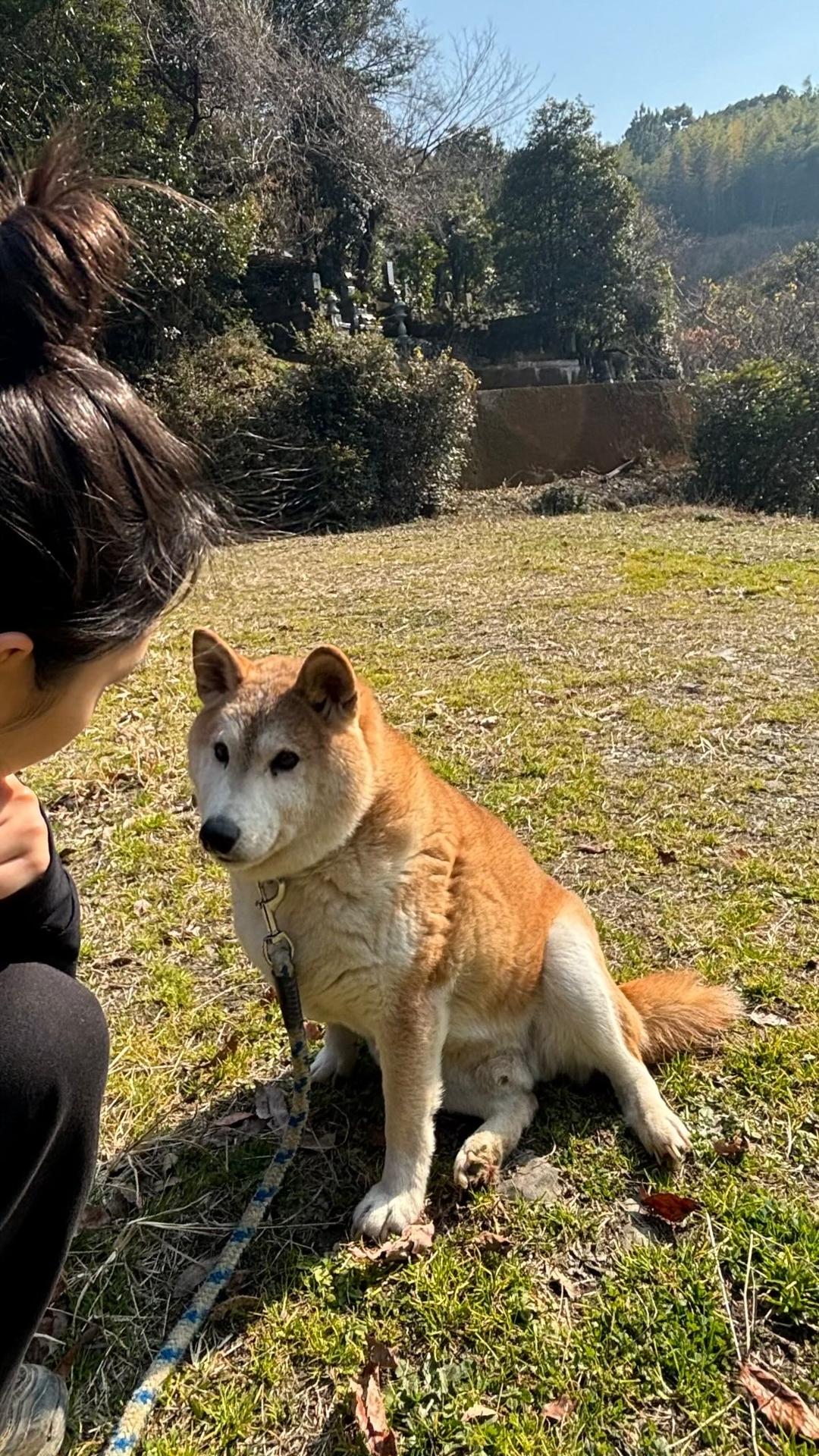
Around 10 o''clock the person in charge picks us up at the accommodation. We go straight to work and walk the dogs while others clean the dog kennels and wash bowls. When the walking and cleaning of the dogs in the facility is finished, all the work is done. There are floors 1 through 4, and we usually start from the 4th floor. When the 4th or 3rd floor is done, it''s around noon and we have lunch then. When the work is finished, it''s around 3–4 PM.
It was nice that I could connect with the dogs, even if only for a short time.They were usually dogs that had been handled by people, and after coming to the facility they received some training, so they really enjoy playing with people and are very affectionate.Walking together along the forest path is very refreshing, and running together feels really invigorating.They might get tired, but when the dogs run with their ears and tails flapping, you can''t help but run with them.
# People I remember

I became close enough with a friend I made while working to go together to a festival called Awa Odori, and I became friends with many people who had come to volunteer from other organizations at the accommodation, and every night we''d have a beer together whilewe talked about each other''s work and told stories about our respective countries, getting closer.
# For prospective participants

I had a fear of English, but I realized I could do it more quickly than I thought.English is all about confidence.If you just speak, friends who are good at it will correct you and most people will understand. I felt that you don''t learn everything first and then use it — you learn while using it.
Work can be harder than you think. Make sure you have at least one pair of comfortable shoes, and since you might miss Korean food, it''s good to bring many things that aren''t available in Japan, like spicy foods. Aside from spicy items, most ingredients can be bought at the supermarket, so bringing canned goods to cook will save money and be tasty.
# My gap year TIP

- Language
The facility managers are fluent in English, but other Japanese staff who help with the work only speak Japanese, so it''s helpful to use a translator a lot at first to quickly memorize work-related words and phrases.
- Accommodation
It''s extremely hot in summer, so be careful — if there''s a severe heat wave it''s best to avoid it.
- Meals
You should bring lunch too; if you stop by the supermarket the day before and buy discounted items and put them in the fridge to take with you, you can save a lot of money.
- What to bring, insurance
The organization provides all the insurance, so you don''t need to worry.
# My Tokushima travel TIP

Near Tokushima Station there''s a place where you can take a cruise tour, and there''s also a cable car. It was so hot in summer that I got off the cable car almost immediately, but in spring, autumn, or winter you can see a beautiful night view, so it''s worth using. Tokushima ramen is famous, so try it at least once. There''s also a sushi chain called Sushiro — it''s cheap, tasty, and even has a Korean menu, so go often.
My gap year was
Experience★★★★★
I really liked that I was able to make a variety of friends.
Learning★★★★★
Communicating helped me greatly improve my English skills.
Environment★★★☆☆
It was very hard because there was no air conditioning. The humidity was around 80–90%, so it remained hot until night.
Safety★★★★☆
Leisure★★★★★
There are two accommodations; the one inside Tokushima City has very good accessibility, so I was able to have many experiences on weekends. You can also take a cruise tour cheaply.

I had never traveled abroad before, so I had a vague fear about overseas travel, but I tried to overcome it. As a result, it became a very good experience, so there was a much more positive change. Before, I didn''t think much about overseas travel, but now I''m already looking forward to the next vacation.
A simple everyday wild life: volunteering to care for abandoned animals in Tokushima, Japan
Son Kyungwon, gap year traveler (gapper) (24 years old, university student) / 3-week gap year |
# I decided to participate because there was a way I could help them.
Hello, I''m Son Kyungwon, class of ''14, studying in the Department of Materials Science and Engineering. This is my first time traveling abroad, so I joined the project hoping it would be a meaningful and memorable trip. I''m sociable, soI made many friends through this project.
The reason I joined this project is that I really like interacting with animals. When there are cats on the street, I make eye contact and blink gently to show friendliness, and I like animals enough to sometimes buy them snacks.
Of course, dogs too. I was also curious about how difficult the living conditions are for abandoned dogs and cats, andI decided to participate because there was a way to help them.
First, since four of us formed a team, we prepared by sharing what to bring in our chat group. For toiletries like shampoo, we each took a large bottle to divide, minimizing luggage, and we reduced costs by preparing to share one pocket Wi‑Fi between two people.
I had never traveled abroad before, so I had a vague fear about overseas travel, and I tried to shake it off.As a result, it turned out to be a very good experience, so there was a much more positive change.Previously I didn''t think much about overseas travel, but now I''m already looking forward to the next vacation.
* For Son Kyungwon, who had a strong desire to change himself, a personalized 1:1 mission designed to break his own mold—providing new stimuli and experiences—was provided daily, and a gap year notebook was also provided to reflect on himself and make plans.
# A day in Japan
Around 10 o''clock the person in charge picks us up at the accommodation. We go straight to work and walk the dogs while others clean the dog kennels and wash bowls. When the walking and cleaning of the dogs in the facility is finished, all the work is done. There are floors 1 through 4, and we usually start from the 4th floor. When the 4th or 3rd floor is done, it''s around noon and we have lunch then. When the work is finished, it''s around 3–4 PM.
It was nice that I could connect with the dogs, even if only for a short time.They were usually dogs that had been handled by people, and after coming to the facility they received some training, so they really enjoy playing with people and are very affectionate.Walking together along the forest path is very refreshing, and running together feels really invigorating.They might get tired, but when the dogs run with their ears and tails flapping, you can''t help but run with them.
# People I remember
I became close enough with a friend I made while working to go together to a festival called Awa Odori, and I became friends with many people who had come to volunteer from other organizations at the accommodation, and every night we''d have a beer together whilewe talked about each other''s work and told stories about our respective countries, getting closer.
# For prospective participants
I had a fear of English, but I realized I could do it more quickly than I thought.English is all about confidence.If you just speak, friends who are good at it will correct you and most people will understand. I felt that you don''t learn everything first and then use it — you learn while using it.
Work can be harder than you think. Make sure you have at least one pair of comfortable shoes, and since you might miss Korean food, it''s good to bring many things that aren''t available in Japan, like spicy foods. Aside from spicy items, most ingredients can be bought at the supermarket, so bringing canned goods to cook will save money and be tasty.
# My gap year TIP
- Language
The facility managers are fluent in English, but other Japanese staff who help with the work only speak Japanese, so it''s helpful to use a translator a lot at first to quickly memorize work-related words and phrases.
- Accommodation
It''s extremely hot in summer, so be careful — if there''s a severe heat wave it''s best to avoid it.
- Meals
You should bring lunch too; if you stop by the supermarket the day before and buy discounted items and put them in the fridge to take with you, you can save a lot of money.
- What to bring, insurance
The organization provides all the insurance, so you don''t need to worry.
# My Tokushima travel TIP
Near Tokushima Station there''s a place where you can take a cruise tour, and there''s also a cable car. It was so hot in summer that I got off the cable car almost immediately, but in spring, autumn, or winter you can see a beautiful night view, so it''s worth using. Tokushima ramen is famous, so try it at least once. There''s also a sushi chain called Sushiro — it''s cheap, tasty, and even has a Korean menu, so go often.
My gap year was
Experience★★★★★
I really liked that I was able to make a variety of friends.
Learning★★★★★
Communicating helped me greatly improve my English skills.
Environment★★★☆☆
It was very hard because there was no air conditioning. The humidity was around 80–90%, so it remained hot until night.
Safety★★★★☆
Leisure★★★★★
There are two accommodations; the one inside Tokushima City has very good accessibility, so I was able to have many experiences on weekends. You can also take a cruise tour cheaply.
Capturing the growth journeys
of our participants.

 Home
Home


Take a step out of your comfort zone.
Challenge yourself for your own sake.
Feel complete freedom.
Be happy.