Progetti
|
FAQ
|
Annunci



#Ho ritrovato fiducia in me stesso e nuova motivazione per inseguire i miei sogni #Volontariato nella splendida natura e occasioni di apprendimento con amici internazionali #La fiducia e l’orgoglio di affrontare una nuova sfida

Dopo il congedo dal servizio militare, durante l’anno sabbatico che ho trascorso in Nuova Zelanda, ho conosciuto nuove persone e mi sono rilassato e ho ritrovato spontaneamente la fiducia in me stesso! È stato anche un periodo ricco di conversazioni con gli amici con cui facevo volontariato, dalle quali ho imparato e ricavato molto.
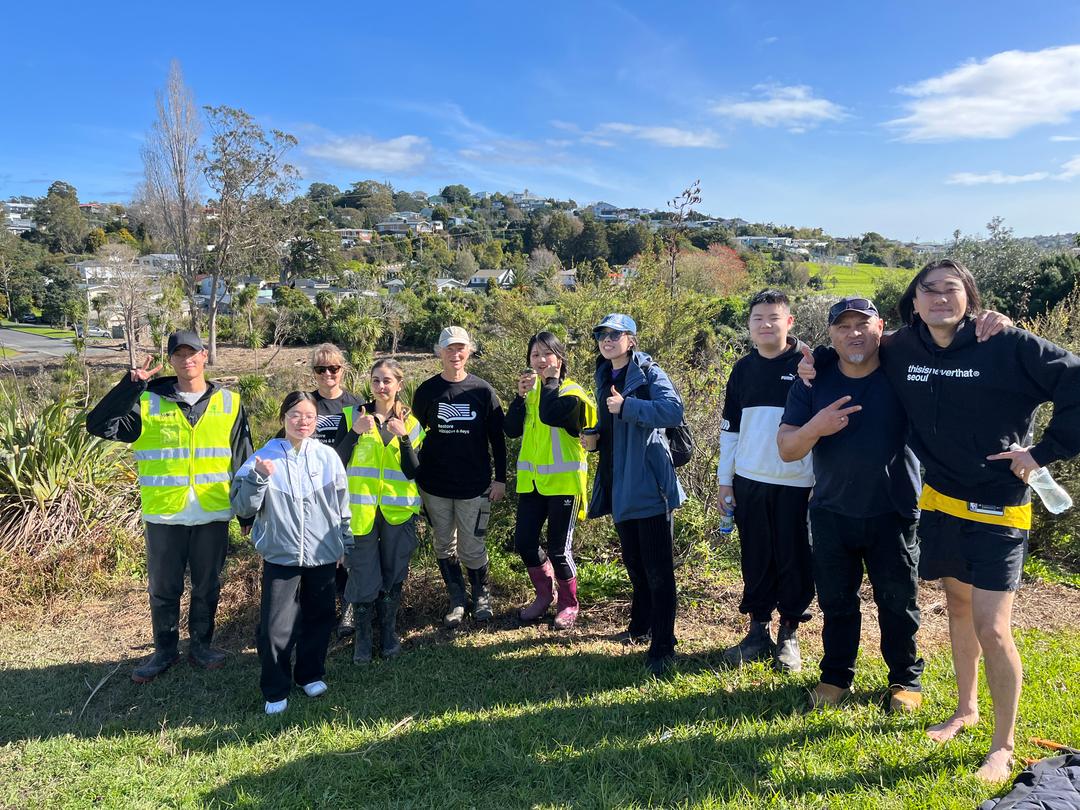
Divertirsi facendo volontariato ambientale nella natura della Nuova Zelanda con amici provenienti da tutto il mondo! Choi Chan-sik, partecipante a un anno sabbatico (23 anni)
|
# Dopo il congedo dal servizio militare, volevo viaggiare e riflettere più a fondo su me stesso, così ho deciso di prendermi un anno sabbatico.

# Sono partito con entusiasmo, senza temere il nuovo ambiente!

Grazie all’esperienza militare, ho imparato ad affrontare le sfide senza esitazioni e a credere che l’impossibile possa diventare possibile. Perciò, di fronte a un nuovo ambiente, ero più propenso a mettermi alla prova che ad aver paura. Non ero troppo preoccupato per la lingua e, viaggiando da solo, potevo semplicemente tornare indietro se avessi commesso qualche errore,e mi entusiasmava l’idea di poter vivere liberamente senza preoccuparmi del giudizio altrui. Così sono partito pieno di entusiasmo per il progetto di volontariato in Nuova Zelanda.
Avendo viaggiato spesso all’estero, organizzare la partenza — voli, passaporto e visto — è stato semplice. Tuttavia, era la prima volta che viaggiavo da solo con lo zaino e avrei fatto volontariato, quindi preparare i bagagli mi ha richiesto molto tempo.
Tuttavia,Korea Gap Year mi ha fornito informazioni dettagliate su tutto ciò che era necessario portare.Dai voli all’alloggio, dai visti ai passaporti, mi hanno dato con cura consigli su come preparare i bagagli e informazioni sulla Nuova Zelanda, così ho potuto organizzarmi facilmente. Per tutto ciò che mi mancava, ho chiesto via e-mail e mi sono preparato con attenzione e scrupolosità.
# Ciò che ricordo di più sono gli atteggiamenti e le buone maniere che ho imparato dagli amici conosciuti durante il volontariato.

Con il volontariato all’estero ho imparato molto anche sul piano linguistico, ma ciò che ricordo di più sono gli atteggiamenti e i comportamenti appresi vivendo con persone straniere.
Quando ci siamo presentati dicendo i nostri nomi, io ho detto il mio una volta e da quel momento mi hanno chiamato subito per nome. Mi vergognavo perché non riuscivo a ricordare i loro nomi, ma da loro ho imparato quanto sia importante prestare attenzione agli altri e mostrare loro rispetto. Penso di aver imparato molto sulle buone maniere anche da queste piccole cose.
Le tante lezioni e consapevolezze maturate partecipando a questo progetto mi hanno motivato a impegnarmi di nuovo nello studio in Corea e a inseguire i miei sogni. Se avessi vissuto senza pensare durante il servizio militare, questa opportunità non sarebbe diventata lo stimolo per impegnarmi molto nel realizzare i miei sogni.
# Avvicinandomi per primo agli amici stranieri e iniziando a conversare, ho acquisito gradualmente fiducia in me stesso.

Pur vivendo in Corea, mi è sempre piaciuto molto l’inglese e lo studiavo per interesse; pensavo anche di cavarmela bene. Prima di fare volontariato in Nuova Zelanda, vedere che riuscivo a gestire senza problemi le conversazioni quotidiane in inglese mi rendeva davvero orgoglioso. Le preoccupazioni per le difficoltà linguistiche erano svanite e pensavo che mi sarei adattato facilmente al volontariato.
Così cercavo di parlare il più possibile con gli amici stranieri che incontravo in Nuova Zelanda e spesso ero io a iniziare conversazioni a tu per tu. Questo mi ha dato fiducia e gli amici stranieri hanno apprezzato il mio impegno.Naturalmente, ho imparato molto facendo volontariato,ma ho tratto molto anche dalle tante conversazioni avute con questi amici.Mi dispiace pensare che, se avessi parlato meglio, avrei potuto imparare di più e acquisire maggiore saggezza grazie a un numero ancora più alto di conversazioni. Se conoscete molto bene l’inglese, potrete fare più esperienze e imparare di più, maci sono molte altre cose da imparare e da scoprire, quindi spero che non rinunciate a fare volontariato all’estero per paura della lingua.
# Com’è la giornata tipo nel progetto di volontariato per la tutela ambientale in Nuova Zelanda?

Nei giorni feriali, il volontariato inizia alle 8 del mattino. Mi alzavo alle 7, mi lavavo in fretta, preparavo e facevo colazione, preparavo in anticipo il pranzo e poi iniziavo il volontariato mattutino. In realtà, man mano che si continua a fare volontariato, probabilmente si finisce per rinunciare a lavarsi al mattino: è successo anche a me.
Dato che dovevo fare colazione e preparare il pranzo, credo che partissi per il luogo del volontariato verso le 8:30. Anche se l’orario ufficiale d’inizio è alle 8, il programma è abbastanza flessibile. Essendo inverno, al mattino bevevo sempre un tè caldo. Una tazza di tè ti riscalda tutto il corpo.

Dopo aver terminato il volontariato mattutino, tornavamo all’alloggio a mezzogiorno, pranzavamo fino all’una e poi avevamo del tempo libero per riposare. A pranzo eravamo tutti stanchi per il volontariato, quindi ognuno mangiava il cibo che si era preparato nel proprio spazio. Era un momento in cui si rispettava il riposo di ciascuno.
Nel pomeriggio facevamo volontariato dall’una alle quattro, poi tornavamo all’alloggio per lavarci e riposare, e alle sei preparavamo la cena. La cena veniva sempre preparata da tutti e, se non servivano molte persone, ci dividevamo i compiti di cucina e di lavaggio dei piatti. Anche quando toccava a me lavare i piatti, aiutavo a preparare la cena per imparare a cucinare, scambiare qualche parola in più e fare pratica con l’inglese. Dopo cena, ognuno si rilassava liberamente fino all’ora di andare a dormire. Ci si può riposare tranquillamente senza preoccuparsi di nessuno.
Non c’è un orario fisso per andare a dormire, quindi puoi coricarti quando vuoi. Io di solito andavo a letto alle nove o alle dieci, per essere pronto per il volontariato del giorno dopo.Infine, quando il volontariato finiva prima delle quattro, andavamo a esplorare la natura circostante con gli amici, scattavamo foto, respiravamo l’aria limpida e ci godevamo gli splendidi spazi aperti della Nuova Zelanda.Se il volontariato finisce tardi, il giorno dopo si inizia prima, recuperando il tempo in più. Non si fanno assolutamente straordinari! :)
# Esperienze memorabili e divertenti durante il volontariato!

Ci sono state davvero tantissime esperienze memorabili e divertenti.Questo programma di volontariato ha una lunga storia ed è portato avanti dal governo neozelandese.Pensare che stavo entrando a far parte di questa storia e collaboravo con amici stranieri mi faceva sentire appagato e orgoglioso. Per questo il volontariato in sé mi è sembrato davvero interessante.
Durante il volontariato, il responsabile ci raccontava aneddoti interessanti e diceva che, se diventava faticoso, potevamo riposarci senza problemi. Tuttavia, tutti i partecipanti si impegnavano al massimo nel volontariato; grazie a questa atmosfera, probabilmente riuscirete a lavorare sodo e a divertirvi! :)
# I miei consigli personali per un viaggio in Nuova Zelanda!

I arrived in New Zealand two days before starting the volunteer work, took the SKY bus, and stayed at a backpackers (hostel) to get an overall understanding of Auckland and New Zealand. Talking with friends from various nationalities at the backpackers made me realize I was abroad and was fun, so I looked forward to life during volunteering. I recommend backpackers. The facilities are good, prices are cheap, you can cook and eat there or bring food to eat, and you can meet friends from many nationalities.
I participated in the volunteer program for two weeks. After the volunteering ended, I booked accommodation in Auckland through Airbnb for six days and traveled around Auckland. And I stayed in a hotel for the last day.

In Auckland, foreign people walk in front of you, unfamiliar foreign shops line the streets, and cars come from the opposite direction to our country. But I decided to enjoy the urban aspects of Auckland and leave the nature experiences for volunteering. The most memorable spot is DEVON PORT. You can get there by ferry in about 15 minutes; it''s part of Auckland but a place where you can feel nature. When you see the wide-open sea spread out before you, your chest opens up and the sea harmonized with yachts is a feast for the eyes.
Be sure to try fish and chips!Because so many ethnicities live in Auckland, rather than there being a single New Zealand food and culture, there are foods and cultures from many countries. There are many Korean restaurants too. Actually, after the volunteering ended I wanted Korean food so much that I ate it often. You might think you should enjoy New Zealand food, but after living there you''ll realize you''re inevitably Korean. Still, I think Auckland is definitely worth visiting, and about 4–5 days is enough to see the city.
# My personal gap year tips!

- Language
: Approach the friends you''re volunteering with first and start talking; as you volunteer together, you''ll soon find yourself mixing with foreign friends and gaining confidence! Don''t worry too much about the language!! Just the fact that we all came to volunteer together will give you plenty of common ground, hehe
- Accommodation
: Make sure to bring a sleeping bag haha. On weekends the accommodation has FREE WIFI so you can use it freely, but during volunteering there is no FREE WIFI and even if you want to use data, it''s so remote that there''s often no service. During volunteering you can think of your phone as just a camera. But because of that, it was nice to be away from my phone and have time to fully experience New Zealand''s great outdoors haha.
- Meals
: We mostly cooked our own meals. For the first weekend, the ingredients for what we''d cook would already be at the accommodation. Ingredients needed for the weekend are delivered to the accommodation. So on the weekend you can just cook according to those ingredients. Because the meal plan is mostly set, you can either follow it or freely change the menu.

During the volunteering period, you''ll stay at accommodation near the volunteering site. Before moving to this accommodation, we stop at a supermarket to do our own shopping and bring the ingredients with us. If there''s any particular food you want to eat, or if you''re vegetarian or have other dietary specifics, feel free to tell your teammates and shop accordingly. I bought instant noodles because I really wanted them, and I also bought more vegetables to accommodate a vegetarian friend.
During the volunteering period, you''ll have a simple breakfast by yourself and prepare your lunch in the morning. This is so you can eat lunch right after returning from morning volunteering. You might be confused by foreign ingredients (staple food being bread, unfamiliar spices, sauces). I also found it difficult at first to prepare breakfast and lunch. I hadn''t cooked much in Korea, and with bread as the staple I had no idea what to make. But as you live there you''ll naturally adapt to the point you hardly feel like a foreigner. If there''s something you''d like to eat besides the groceries you buy, it''s good to buy them on the weekend.
Indeed, at first all the ingredients are foreign and it can feel unfamiliar and frustrating not knowing how to use them. Whenever that happened I kept asking "Wanna cook something together?", "What did you make?" and learned by cooking together. It''s an opportunity to try foreign dishes and a chance to appreciate your mother too ^^
- What to bring
: The main things I needed were a water bottle, a sleeping bag, and ointment for itching (there aren''t insects, but while volunteering you might get something like plant dermatitis). For everything else, the Korea Gap Year coordinators sent detailed emails and we were able to prepare without lacking or inconvenience!
- Additional tips!
: For volunteering clothes you can probably bring only one set (top and bottom). I volunteered in winter, so I wore tights under two layers of comfortable hiking pants, and for tops I wore a functional long-sleeve shirt, a hoodie, and a windbreaker—three layers. I recommend clothes you wouldn''t mind discarding. Clothes don''t get terribly dirty, but it''s still volunteering ^^ Also, you can do laundry (paid) on weekends. So you can manage for the five weekdays, do laundry on the weekend, then wear them again for the next five days. (Honestly clothes don''t get that dirty so you could wear them for two weeks.) Bring a windbreaker for your top—definitely bring one. New Zealand rains frequently, so I recommend a water-resistant windbreaker. For shoes, bring comfortable walkers/hiking boots. Because you often walk on steep slopes during volunteering there is a risk of ankle sprain, so I recommend boots that cover the ankle. And definitely bring a sleeping bag to use when sleeping.
My Gap Year
Experience ★★★★★
: Sharing three meals a day with foreigners, participating in meaningful volunteer work while experiencing New Zealand''s great outdoors that you can''t feel in Korea, the refreshing openness and leisure of being with nature during the volunteering — I think all of this provides the best experience.
Learning ★★★★★
: Similar to the ''Experience'' section above, living with foreigners taught me things; I learned about how New Zealanders (Kiwis) relate to nature, and I could learn Kiwis'' relaxed attitude and generosity.
Environment ★★★★★
: There''s no need to say much about New Zealand''s environment. Enjoy the great outdoors. I wanted to live there. Also, all volunteer-related facilities—accommodation, transportation—were very good.
Safety ★★★★★
: I asked many questions via email to Gap Year and their answers gave me confidence that it would be safe, so I decided to participate. As a result I experienced the volunteering very safely and enjoyably!
Leisure ★★★★★
: Although volunteering was important, the weekend leisure activities were truly happy and special experiences; as a solo traveler I was able to go to tourist spots I couldn''t have imagined and places only locals know. At the accommodation where we stayed on weekends we lived with a native New Zealander manager, so we traveled every weekend with that friend. Within Auckland public transport is fairly developed so you can go where you want if you set your mind to it. But once you leave Auckland, you can only get around by car. So every weekend we drove deep into forests and nature and had happy times experiencing the great outdoors.
You probably want to rest on the weekends too, but I was really grateful to the manager who took us to such great places. Be sure to get close with the manager and you can suggest going to different places first, or like in my case the manager suggested to all our team to go together. Make good use of the weekends and I recommend enjoying New Zealand''s varied great outdoors, not just during volunteering!
that Choi Chansik participated inNew Zealand environmental conservation volunteer activityprojectIf you''re curious?!
Click belowplease!
▼ ▼ ▼ ▼ ▼ ▼ ▼ ▼ ▼

Dopo il congedo dal servizio militare, durante l’anno sabbatico che ho trascorso in Nuova Zelanda, ho conosciuto nuove persone e mi sono rilassato e ho ritrovato spontaneamente la fiducia in me stesso! È stato anche un periodo ricco di conversazioni con gli amici con cui facevo volontariato, dalle quali ho imparato e ricavato molto.
Divertirsi facendo volontariato ambientale nella natura della Nuova Zelanda con amici provenienti da tutto il mondo! Choi Chan-sik, partecipante a un anno sabbatico (23 anni)
|
# Dopo il congedo dal servizio militare, volevo viaggiare e riflettere più a fondo su me stesso, così ho deciso di prendermi un anno sabbatico.
# Sono partito con entusiasmo, senza temere il nuovo ambiente!
Grazie all’esperienza militare, ho imparato ad affrontare le sfide senza esitazioni e a credere che l’impossibile possa diventare possibile. Perciò, di fronte a un nuovo ambiente, ero più propenso a mettermi alla prova che ad aver paura. Non ero troppo preoccupato per la lingua e, viaggiando da solo, potevo semplicemente tornare indietro se avessi commesso qualche errore,e mi entusiasmava l’idea di poter vivere liberamente senza preoccuparmi del giudizio altrui. Così sono partito pieno di entusiasmo per il progetto di volontariato in Nuova Zelanda.
Avendo viaggiato spesso all’estero, organizzare la partenza — voli, passaporto e visto — è stato semplice. Tuttavia, era la prima volta che viaggiavo da solo con lo zaino e avrei fatto volontariato, quindi preparare i bagagli mi ha richiesto molto tempo.
Tuttavia,Korea Gap Year mi ha fornito informazioni dettagliate su tutto ciò che era necessario portare.Dai voli all’alloggio, dai visti ai passaporti, mi hanno dato con cura consigli su come preparare i bagagli e informazioni sulla Nuova Zelanda, così ho potuto organizzarmi facilmente. Per tutto ciò che mi mancava, ho chiesto via e-mail e mi sono preparato con attenzione e scrupolosità.
# Ciò che ricordo di più sono gli atteggiamenti e le buone maniere che ho imparato dagli amici conosciuti durante il volontariato.
Con il volontariato all’estero ho imparato molto anche sul piano linguistico, ma ciò che ricordo di più sono gli atteggiamenti e i comportamenti appresi vivendo con persone straniere.
Quando ci siamo presentati dicendo i nostri nomi, io ho detto il mio una volta e da quel momento mi hanno chiamato subito per nome. Mi vergognavo perché non riuscivo a ricordare i loro nomi, ma da loro ho imparato quanto sia importante prestare attenzione agli altri e mostrare loro rispetto. Penso di aver imparato molto sulle buone maniere anche da queste piccole cose.
Le tante lezioni e consapevolezze maturate partecipando a questo progetto mi hanno motivato a impegnarmi di nuovo nello studio in Corea e a inseguire i miei sogni. Se avessi vissuto senza pensare durante il servizio militare, questa opportunità non sarebbe diventata lo stimolo per impegnarmi molto nel realizzare i miei sogni.
# Avvicinandomi per primo agli amici stranieri e iniziando a conversare, ho acquisito gradualmente fiducia in me stesso.
Pur vivendo in Corea, mi è sempre piaciuto molto l’inglese e lo studiavo per interesse; pensavo anche di cavarmela bene. Prima di fare volontariato in Nuova Zelanda, vedere che riuscivo a gestire senza problemi le conversazioni quotidiane in inglese mi rendeva davvero orgoglioso. Le preoccupazioni per le difficoltà linguistiche erano svanite e pensavo che mi sarei adattato facilmente al volontariato.
Così cercavo di parlare il più possibile con gli amici stranieri che incontravo in Nuova Zelanda e spesso ero io a iniziare conversazioni a tu per tu. Questo mi ha dato fiducia e gli amici stranieri hanno apprezzato il mio impegno.Naturalmente, ho imparato molto facendo volontariato,ma ho tratto molto anche dalle tante conversazioni avute con questi amici.Mi dispiace pensare che, se avessi parlato meglio, avrei potuto imparare di più e acquisire maggiore saggezza grazie a un numero ancora più alto di conversazioni. Se conoscete molto bene l’inglese, potrete fare più esperienze e imparare di più, maci sono molte altre cose da imparare e da scoprire, quindi spero che non rinunciate a fare volontariato all’estero per paura della lingua.
# Com’è la giornata tipo nel progetto di volontariato per la tutela ambientale in Nuova Zelanda?
Nei giorni feriali, il volontariato inizia alle 8 del mattino. Mi alzavo alle 7, mi lavavo in fretta, preparavo e facevo colazione, preparavo in anticipo il pranzo e poi iniziavo il volontariato mattutino. In realtà, man mano che si continua a fare volontariato, probabilmente si finisce per rinunciare a lavarsi al mattino: è successo anche a me.
Dato che dovevo fare colazione e preparare il pranzo, credo che partissi per il luogo del volontariato verso le 8:30. Anche se l’orario ufficiale d’inizio è alle 8, il programma è abbastanza flessibile. Essendo inverno, al mattino bevevo sempre un tè caldo. Una tazza di tè ti riscalda tutto il corpo.
Dopo aver terminato il volontariato mattutino, tornavamo all’alloggio a mezzogiorno, pranzavamo fino all’una e poi avevamo del tempo libero per riposare. A pranzo eravamo tutti stanchi per il volontariato, quindi ognuno mangiava il cibo che si era preparato nel proprio spazio. Era un momento in cui si rispettava il riposo di ciascuno.
Nel pomeriggio facevamo volontariato dall’una alle quattro, poi tornavamo all’alloggio per lavarci e riposare, e alle sei preparavamo la cena. La cena veniva sempre preparata da tutti e, se non servivano molte persone, ci dividevamo i compiti di cucina e di lavaggio dei piatti. Anche quando toccava a me lavare i piatti, aiutavo a preparare la cena per imparare a cucinare, scambiare qualche parola in più e fare pratica con l’inglese. Dopo cena, ognuno si rilassava liberamente fino all’ora di andare a dormire. Ci si può riposare tranquillamente senza preoccuparsi di nessuno.
Non c’è un orario fisso per andare a dormire, quindi puoi coricarti quando vuoi. Io di solito andavo a letto alle nove o alle dieci, per essere pronto per il volontariato del giorno dopo.Infine, quando il volontariato finiva prima delle quattro, andavamo a esplorare la natura circostante con gli amici, scattavamo foto, respiravamo l’aria limpida e ci godevamo gli splendidi spazi aperti della Nuova Zelanda.Se il volontariato finisce tardi, il giorno dopo si inizia prima, recuperando il tempo in più. Non si fanno assolutamente straordinari! :)
# Esperienze memorabili e divertenti durante il volontariato!
Ci sono state davvero tantissime esperienze memorabili e divertenti.Questo programma di volontariato ha una lunga storia ed è portato avanti dal governo neozelandese.Pensare che stavo entrando a far parte di questa storia e collaboravo con amici stranieri mi faceva sentire appagato e orgoglioso. Per questo il volontariato in sé mi è sembrato davvero interessante.
Durante il volontariato, il responsabile ci raccontava aneddoti interessanti e diceva che, se diventava faticoso, potevamo riposarci senza problemi. Tuttavia, tutti i partecipanti si impegnavano al massimo nel volontariato; grazie a questa atmosfera, probabilmente riuscirete a lavorare sodo e a divertirvi! :)
# I miei consigli personali per un viaggio in Nuova Zelanda!
I arrived in New Zealand two days before starting the volunteer work, took the SKY bus, and stayed at a backpackers (hostel) to get an overall understanding of Auckland and New Zealand. Talking with friends from various nationalities at the backpackers made me realize I was abroad and was fun, so I looked forward to life during volunteering. I recommend backpackers. The facilities are good, prices are cheap, you can cook and eat there or bring food to eat, and you can meet friends from many nationalities.
I participated in the volunteer program for two weeks. After the volunteering ended, I booked accommodation in Auckland through Airbnb for six days and traveled around Auckland. And I stayed in a hotel for the last day.
In Auckland, foreign people walk in front of you, unfamiliar foreign shops line the streets, and cars come from the opposite direction to our country. But I decided to enjoy the urban aspects of Auckland and leave the nature experiences for volunteering. The most memorable spot is DEVON PORT. You can get there by ferry in about 15 minutes; it''s part of Auckland but a place where you can feel nature. When you see the wide-open sea spread out before you, your chest opens up and the sea harmonized with yachts is a feast for the eyes.
Be sure to try fish and chips!Because so many ethnicities live in Auckland, rather than there being a single New Zealand food and culture, there are foods and cultures from many countries. There are many Korean restaurants too. Actually, after the volunteering ended I wanted Korean food so much that I ate it often. You might think you should enjoy New Zealand food, but after living there you''ll realize you''re inevitably Korean. Still, I think Auckland is definitely worth visiting, and about 4–5 days is enough to see the city.
# My personal gap year tips!
- Language
: Approach the friends you''re volunteering with first and start talking; as you volunteer together, you''ll soon find yourself mixing with foreign friends and gaining confidence! Don''t worry too much about the language!! Just the fact that we all came to volunteer together will give you plenty of common ground, hehe
- Accommodation
: Make sure to bring a sleeping bag haha. On weekends the accommodation has FREE WIFI so you can use it freely, but during volunteering there is no FREE WIFI and even if you want to use data, it''s so remote that there''s often no service. During volunteering you can think of your phone as just a camera. But because of that, it was nice to be away from my phone and have time to fully experience New Zealand''s great outdoors haha.
- Meals
: We mostly cooked our own meals. For the first weekend, the ingredients for what we''d cook would already be at the accommodation. Ingredients needed for the weekend are delivered to the accommodation. So on the weekend you can just cook according to those ingredients. Because the meal plan is mostly set, you can either follow it or freely change the menu.
During the volunteering period, you''ll stay at accommodation near the volunteering site. Before moving to this accommodation, we stop at a supermarket to do our own shopping and bring the ingredients with us. If there''s any particular food you want to eat, or if you''re vegetarian or have other dietary specifics, feel free to tell your teammates and shop accordingly. I bought instant noodles because I really wanted them, and I also bought more vegetables to accommodate a vegetarian friend.
During the volunteering period, you''ll have a simple breakfast by yourself and prepare your lunch in the morning. This is so you can eat lunch right after returning from morning volunteering. You might be confused by foreign ingredients (staple food being bread, unfamiliar spices, sauces). I also found it difficult at first to prepare breakfast and lunch. I hadn''t cooked much in Korea, and with bread as the staple I had no idea what to make. But as you live there you''ll naturally adapt to the point you hardly feel like a foreigner. If there''s something you''d like to eat besides the groceries you buy, it''s good to buy them on the weekend.
Indeed, at first all the ingredients are foreign and it can feel unfamiliar and frustrating not knowing how to use them. Whenever that happened I kept asking "Wanna cook something together?", "What did you make?" and learned by cooking together. It''s an opportunity to try foreign dishes and a chance to appreciate your mother too ^^
- What to bring
: The main things I needed were a water bottle, a sleeping bag, and ointment for itching (there aren''t insects, but while volunteering you might get something like plant dermatitis). For everything else, the Korea Gap Year coordinators sent detailed emails and we were able to prepare without lacking or inconvenience!
- Additional tips!
: For volunteering clothes you can probably bring only one set (top and bottom). I volunteered in winter, so I wore tights under two layers of comfortable hiking pants, and for tops I wore a functional long-sleeve shirt, a hoodie, and a windbreaker—three layers. I recommend clothes you wouldn''t mind discarding. Clothes don''t get terribly dirty, but it''s still volunteering ^^ Also, you can do laundry (paid) on weekends. So you can manage for the five weekdays, do laundry on the weekend, then wear them again for the next five days. (Honestly clothes don''t get that dirty so you could wear them for two weeks.) Bring a windbreaker for your top—definitely bring one. New Zealand rains frequently, so I recommend a water-resistant windbreaker. For shoes, bring comfortable walkers/hiking boots. Because you often walk on steep slopes during volunteering there is a risk of ankle sprain, so I recommend boots that cover the ankle. And definitely bring a sleeping bag to use when sleeping.
My Gap Year
Experience ★★★★★
: Sharing three meals a day with foreigners, participating in meaningful volunteer work while experiencing New Zealand''s great outdoors that you can''t feel in Korea, the refreshing openness and leisure of being with nature during the volunteering — I think all of this provides the best experience.
Learning ★★★★★
: Similar to the ''Experience'' section above, living with foreigners taught me things; I learned about how New Zealanders (Kiwis) relate to nature, and I could learn Kiwis'' relaxed attitude and generosity.
Environment ★★★★★
: There''s no need to say much about New Zealand''s environment. Enjoy the great outdoors. I wanted to live there. Also, all volunteer-related facilities—accommodation, transportation—were very good.
Safety ★★★★★
: I asked many questions via email to Gap Year and their answers gave me confidence that it would be safe, so I decided to participate. As a result I experienced the volunteering very safely and enjoyably!
Leisure ★★★★★
: Although volunteering was important, the weekend leisure activities were truly happy and special experiences; as a solo traveler I was able to go to tourist spots I couldn''t have imagined and places only locals know. At the accommodation where we stayed on weekends we lived with a native New Zealander manager, so we traveled every weekend with that friend. Within Auckland public transport is fairly developed so you can go where you want if you set your mind to it. But once you leave Auckland, you can only get around by car. So every weekend we drove deep into forests and nature and had happy times experiencing the great outdoors.
You probably want to rest on the weekends too, but I was really grateful to the manager who took us to such great places. Be sure to get close with the manager and you can suggest going to different places first, or like in my case the manager suggested to all our team to go together. Make good use of the weekends and I recommend enjoying New Zealand''s varied great outdoors, not just during volunteering!
that Choi Chansik participated inNew Zealand environmental conservation volunteer activityprojectIf you''re curious?!
Click belowplease!
▼ ▼ ▼ ▼ ▼ ▼ ▼ ▼ ▼
Raccogliamo i percorsi di crescita
raccontati dai partecipanti.

 Home


Vivi in un posto nuovo,
incontra persone nuove,
scopri una nuova versione di te
e costruisci una vita tutta tua.