

Projects
|
FAQ
|
Announcements


Be Yourself, Stay Strong, Live Free
A "Gap Year" is a period to explore your interests and aptitudes by engaging in activities
such as volunteering, travel, career exploration, education, internships, or entrepreneurship,
either alongside or by taking a break from studies or work.
It is a dedicated time to discover your path for the future.
(Source: Korea GapYear)
Do you want to change your life?
Then now is the time to take a Gap Year!
In 2008, at the age of 23, the founder of Korea GapYear, embarked on a backpacking trip around the world to explore his career path. He wondered if finding the right career could be like choosing clothes—by trying many options, comparing them, and seeing what fits best. Motivated by the desire to experience the world, he traveled widely and witnessed young people with similar concerns freely exploring internships, volunteering, travel, and educational opportunities. Through these experiences, he realized that Korean youth also needed such opportunities, and he began working to make this vision a reality.
Despite having proposed the Gap Year system directly to the Blue House, his idea was rejected five times. Yet he did not give up, and together with friends, he founded Korea GapYear with a modest capital of 30,000 KRW. At the time, Korean society pressured young people along a single path—studies → employment → marriage → childbirth. He set out to introduce a new culture in which youth could design their own paths and explore the many possibilities life has to offer.
In its early days, Korea GapYear faced many misunderstandings and criticisms. Negative perceptions such as “it encourages laziness” or “why not just rush into a job?” were common, and most media outlets reported on GapYear in a negative light. Nevertheless, the team visited various organizations across Korea, proposing the creation of a GapYear culture and suggesting new projects. Many organizations refused, mocked, canceled plans, or argued point by point that it would not work in Korean society.
Undeterred by the challenges, the team turned their attention abroad, reaching out to organizations worldwide to explain the situation of Korean youth—studying up to 16 hours a day, attending multiple academies on weekends, and facing high suicide rates—and to highlight the need for a Gap Year. Through these efforts, many international organizations joined, and Korea GapYear began building a Gap Year culture in partnership with institutions overseas.
Programs developed in partnership with world-renowned educational institutions and NGOs offered unique and meaningful experiences that had a significant impact on participants’ growth. Young people who completed Gap Year programs went on to achieve success in entrepreneurship, NGO work, corporate careers, and more. Over time, the value of these experiences became recognized through word of mouth, social media, and community discussions. Participants often describe their Gap Year as “the happiest moment of my life” and say it “brought a real change” to their lives, inspiring others to rethink their own paths.
As societal attitudes gradually began to change, people started to recognize the potential need for Gap Year programs. Local government leaders expressed interest in creating Gap Year initiatives in their own ways, and members of the National Assembly proposed related legislation. Korea GapYear used this momentum to foster a youth culture, promote the spread of Gap Year experiences, and reinforce its core values as an organization.
Korea GapYear believes that diverse experiences among young people are essential for fostering a healthier and more vibrant youth culture. Over the years, we have transformed a wide range of programs into cultural movements, including Gap Year programs, one-month living experiences, youth villages, career consulting, club support, local stays, staff or internship living, life schools, stay culture, art stays, WeYear, and volunteer trips. By defining each of these cultural initiatives and building project-based models, Korea GapYear has grown into an organization that creates and spreads youth culture. Today, Gap Year has become more than just an opportunity for experience. It is an important platform that helps young people discover their paths and design their lives.
Since its founding, Korea GapYear has developed over 800 projects across 50 countries, supporting more than 2,000 participats annually. We currently collaborate with universities and corporations across Asia, Europe, and North America, providing young people with opportunities to grow from a global perspective. These programs have established Korea GapYear as an organization that helps participants navigate periods of uncertainty, learn to love themselves, and design their own lives. Through GapYear, participants discover their own paths and achieve success in diverse areas such as entrepreneurship, academic pursuits, and social impact.
Korea GapYear will continue to develop diverse projects around the world, expand global partnerships, implement sustainable growth models, and design personalized curricula tailored to each individual. Through these efforts, Korea GapYear aims to go beyond being just a youth program provider and establish itself as a leading force for social innovation.
Korea GapYear was the first to introduce the "Gap Year" culture to Korea and officially define the term in Korean, continuing to establish the culture as a social enterprise. Holding multiple trademarks related to Gap Year, we are dedicated to ensuring that the culture takes root correctly and healthily in Korean society. Currently, around 2,000 participants each year take their Gap Year through Korea GapYear to explore their own time and path, and we continue to offer various support projects to offer Gap Year opportunities to even more young people.

Hosted by KOICA
Hosted by the Seoul Social Economy Center
Hosted by Amazon Web Services (AWS) and
the Korea Social Enterprise Promotion Agency
Recipient of a Government Award for Contributions to the Promotion of the Social Economy (Outstanding Enterprise), presented by the Ministry of Economy and Finance (Korea)
Selected as an Outstanding Enterprise
at the Social Design Demo Day,
organised
by the Ministry of Trade, Industry and Energy
and the Korea Institute of Design Promotion
Recognised as an Outstanding Enterprise
in the Social Economy Sector
by the Korea Productivity Center
An Officially Certified
Creative and Innovative Social Enterprise
by the Ministry of Employment and Labor (Korea)
Accredited by the Ministry of Culture, Sports and Tourism (Korea) and the Korea Regional Culture Promotion Agency
Hosted by the Beautiful Store
Hosted by the Merry Year Foundation
Youth and Social Entrepreneur Development Programme
Organized by the Ministry of Health and Welfare (Korea)
For Contribution to the Promotion of the Australian Working Holiday Programme
Korea GapYear is a social innovation enterprise that first defined, established, and championed the Gap Year culture in Korea, providing young people with the time and space to dream and explore their future.
Over the past 10 years, approximately 13,000 participants have taken the time for self-reflection and experienced personal growth through our diverse Gap Year projects. Participants rated the impact on their lives at an average of 94 points and overall satisfaction at 97 points.
All 500+ overseas Gap Year projects run by Korea GapYear undergo evaluation with over 200 quality checklists to ensure high educational standards and safety. At the same time, participants can join at an average of 30% lower cost compared to other organizations.
The founders of Korea GapYear have received the Minister of Foreign Affairs Award twice and the Minister of Health and Welfare Award. In addition, they have served as policy advisors to the Blue House and led the Jeju Gap Year Project, earning recognition both domestically and internationally.
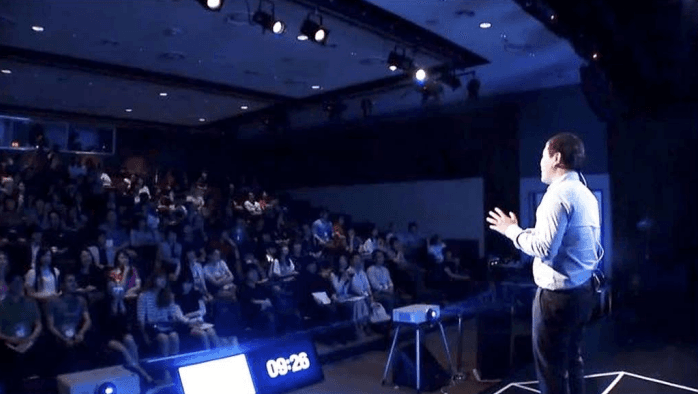
Appointed as a Policy Advisor to the Blue House
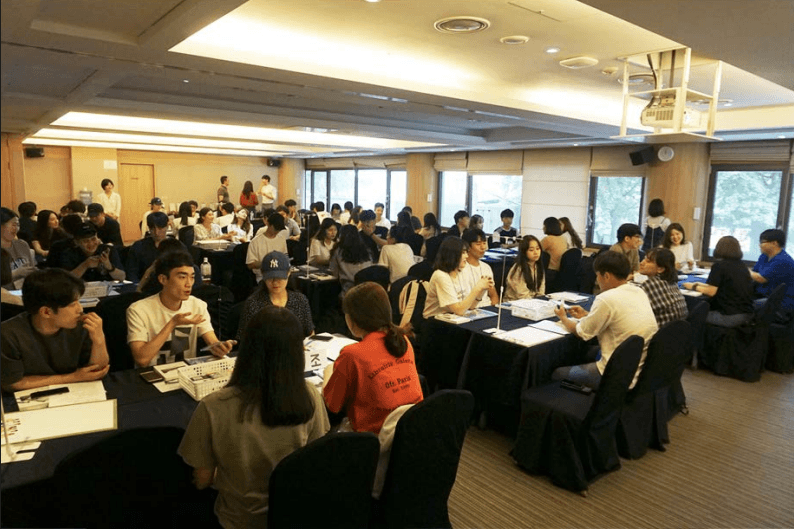
Led the Jeju Youth GapYear Project
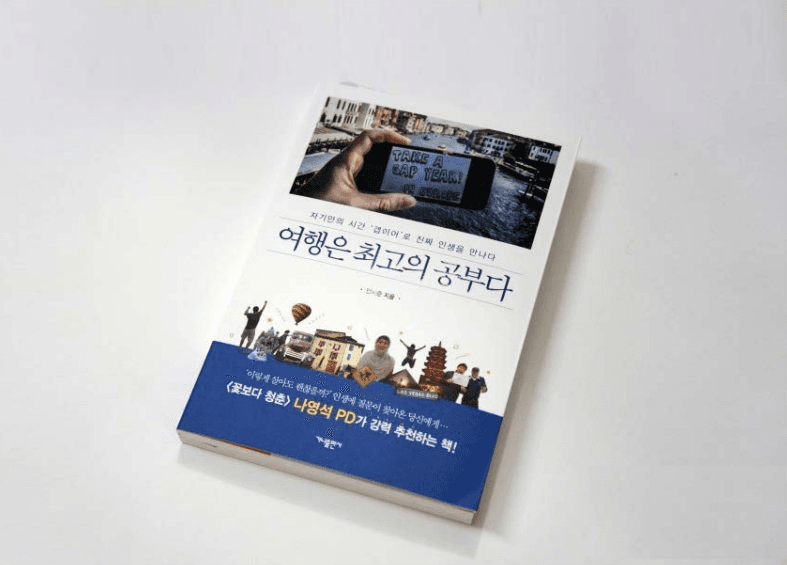
Author of “Travel Is the Best Education”, recommended by PD Na Young Seok
“GapYear” has been selected as a major travel keyword every year by Trend Korea, Expedia Korea, and others.
Gap Years are essential for addressing challenges such as job preparation, career uncertainty, early resignation, job mismatch, rebuilding self-esteem, and post-retirement planning.
Implemented in Seoul, Jeju, Gyeongnam, Gyeongbuk, Jeonnam, Jeonbuk, Mokpo, Daegu, Gwangju, and other regions
Implemented across 34 developed countries, including the United States, the United Kingdom, France, Germany, and Japan.
Universities including Harvard, MIT, Yale, New York University, and the University of Tokyo recommend taking a Gap Year.
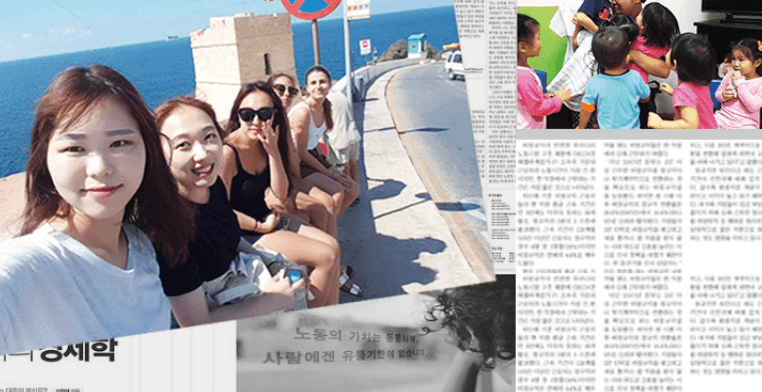
“Building Confidence Through Gap Year”
Gap Year featured by major media outlets including The Chosun Ilbo, JoongAng Ilbo, and Yonhap News
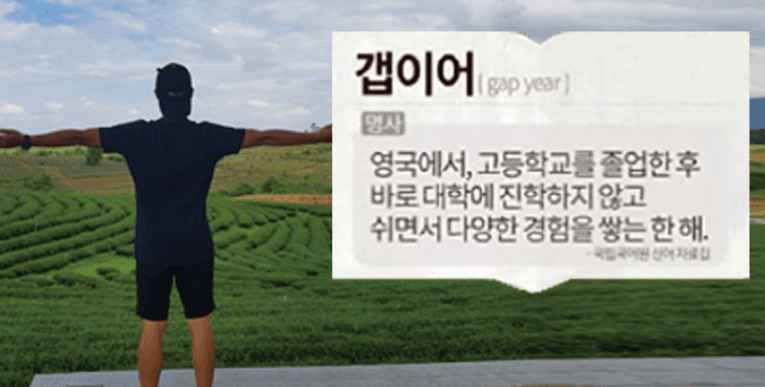
“A Pause in My Life”
Featured on MBC Current Events Magazine 2580, introducing the Gap Year concept

A Break for Your Resume?
A Gap Year for Your Life.
A Break for Your Resume?
A Gap Year for Your Life.
A "Gap Year" is a period to explore your interests and aptitudes by engaging in activities such as volunteering, travel, career exploration, education, internships, or entrepreneurship, either alongside or by taking a break from studies or work. It is a dedicated time to discover your path for the future. (Source: Korea GapYear)



